WNBA CBA Negotiations Stall After 12-Hour Marathon Session
The WNBA and its players' union concluded a 12-hour bargaining session without reaching a new collective bargaining agreement. The marathon talks, held at a neutral Manhattan hotel, involved key figures from both sides but failed to produce a deal ahead of the league's internal deadline. While both parties described the discussions as moving in a positive direction, significant gaps remain on core economic issues, including revenue sharing and salary structures. Another meeting is scheduled as the league works to finalize a deal before impacting the 2026 season schedule.
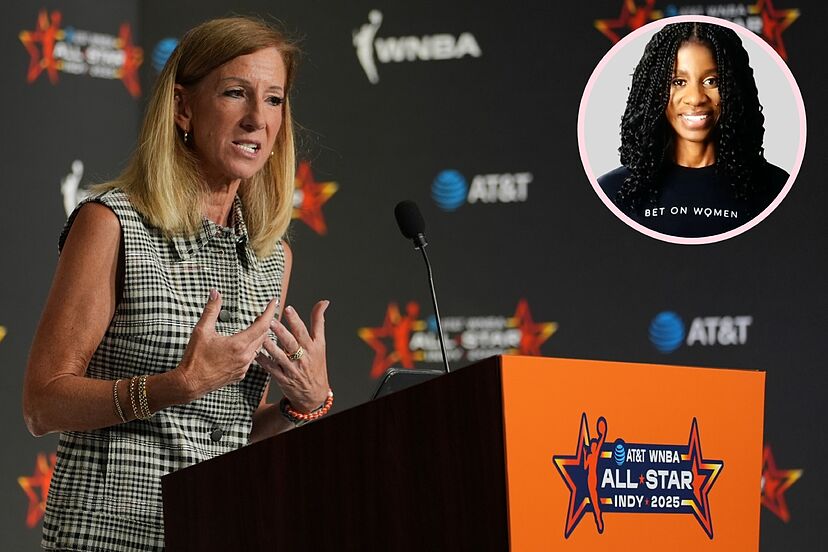
The WNBA's pursuit of a new collective bargaining agreement hit a significant hurdle this week as league officials and the Women's National Basketball Players Association (WNBPA) concluded a marathon 12-hour bargaining session without reaching a deal. The negotiations, which stretched from Tuesday evening into Wednesday morning, represent a critical juncture in the league's efforts to secure what Commissioner Cathy Engelbert has called a "transformational" agreement for women's sports. With training camps scheduled to begin in April and the season slated to tip off in May, the pressure is mounting on both sides to bridge their differences and finalize terms that will shape the league's future.
The Negotiation Session Details
The bargaining session took place at a midtown Manhattan hotel, deliberately chosen as a neutral site for both parties. According to ESPN's reporting, the meeting began at 5 p.m. ET on Tuesday and continued until approximately 5 a.m. Wednesday, with players departing around 3 a.m. while league and union staff continued discussions. The session was conducted in-person only, reflecting the high-stakes nature of the negotiations and the complexity of the issues at hand.
Key representatives from both sides were present throughout the marathon talks. The WNBPA delegation included executive director Terri Jackson and four of the seven executive committee members: president Nneka Ogwumike, vice presidents Breanna Stewart and Alysha Clark, and treasurer Brianna Turner. The league was represented by Commissioner Cathy Engelbert, head of league operations Bethany Donaphin, and New York Liberty owner Clara Wu Tsai, among other officials.
Remaining Points of Contention
Despite the extended discussions, significant gaps remain between the two parties on several fundamental economic issues. The most substantial disagreement centers on revenue sharing, with the union and league proposing fundamentally different approaches to player compensation. According to the negotiation details reported by ESPN, the WNBA has proposed players receive on average over 70% of net revenue (revenue after deducting expenses), while the union has asked for players to receive 26% of gross revenue (revenue before expenses) over the lifetime of the agreement.
This difference in accounting approaches creates a substantial gap in actual dollar amounts. The league's proposal includes a $5.75 million salary cap in 2026, a significant increase from the current $1.5 million cap. Under this framework, maximum salaries including revenue sharing payouts would reach nearly $1.3 million in 2026 and approach $2 million by 2031, with average player salaries projected at $540,000 in 2026 and $780,000 by 2031. In contrast, the union's previous proposal called for a salary cap of approximately $9.5 million in the first year of the agreement.
Timeline and Next Steps
The March 10 bargaining session occurred on what the league had previously identified as a target date for completing a term sheet to avoid impacting the 2026 schedule. Commissioner Engelbert declined to specify how much flexibility exists around this deadline but emphasized the urgency of reaching an agreement soon. "We've got to get this deal done," Engelbert told reporters. "We've got to get it done soon."
Both parties have scheduled another meeting for Wednesday, indicating their commitment to continuing negotiations despite the lack of immediate progress. Terri Jackson described Tuesday's session as featuring "a lot of conversation going in the right direction" and emphasized that "every meeting is a positive meeting" when the parties are actively engaged in dialogue. The league faces a compressed timeline with training camp scheduled to start April 19, the WNBA draft set for April 13, and free agency for over 100 players needing to be completed before the season begins on May 8.

Broader Implications for Women's Sports
The outcome of these negotiations extends beyond immediate salary figures and contract terms. Commissioner Engelbert has framed the pursuit of a new CBA as "really important to the future not just of the league, but of women's sports." The agreement will establish financial parameters during a period of unprecedented growth and visibility for the WNBA, which has seen increased attendance, television ratings, and sponsorship interest in recent seasons.
The negotiations also occur against the backdrop of ongoing discussions about team-provided housing, adjustments to the core designation system that limits player movement, and benefits for retired players. These issues, combined with the fundamental economic disagreements, create a complex negotiating landscape that requires careful navigation by both parties. As the WNBA continues to expand its footprint with new franchises and increased media coverage, the CBA will serve as the foundational document governing player compensation and working conditions for years to come.
The failure to reach an agreement after 12 hours of intensive negotiations underscores the significant stakes involved for both players and owners. While both sides have expressed commitment to reaching a fair agreement, the substantial gaps in their proposals suggest that additional compromise will be necessary in the coming days. With another meeting scheduled and the league's operational calendar creating increasing pressure, the basketball world will be watching closely to see if the WNBA and its players can finalize a deal that supports the league's continued growth while fairly compensating the athletes who drive its success.