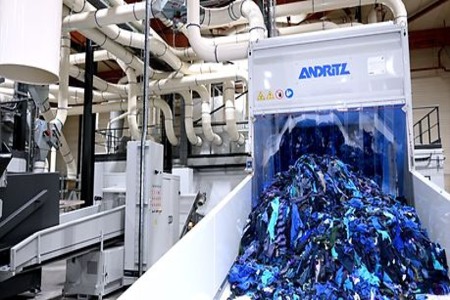
Themoiré's Potato-Based Material: A Sustainable Innovation for Fashion's Future
Themoiré, a handbag brand dedicated to sustainable materials, is pioneering a significant innovation with a new proprietary material derived from potatoes. This bio-based alternative, developed from recycled and bio-based raw materials, is slated for industrial-scale production by 2027. The brand's strategic focus includes expanding its market presence in the US and Asia, leveraging this eco-friendly advancement to meet growing consumer demand for sustainable luxury. This move represents a tangible step in the fashion industry's shift towards circular and plant-based material solutions.
The fashion industry's relentless pursuit of sustainability has catalyzed a wave of material innovation, moving beyond traditional fabrics to explore novel, eco-friendly alternatives. Leading this charge in the accessories segment is the handbag brand Themoiré, which has built its identity on utilizing recycled and bio-based raw materials. The company is now making headlines with the development of a proprietary, environmentally sustainable material sourced from an unexpected origin: potatoes. This groundbreaking advancement is not merely a conceptual prototype but is targeted for industrial-scale development by 2027, positioning Themoiré at the forefront of practical, scalable sustainable fashion. The strategic rollout of this material is intrinsically linked to the brand's ambitious plans to bolster its presence in key international markets, particularly the United States and Asia, where demand for conscious luxury is surging.
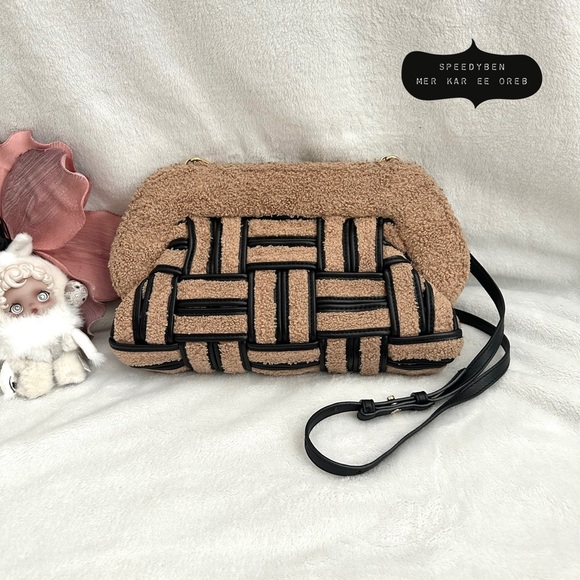
The Innovation: Potato-Derived Material
At the core of Themoiré's latest initiative is a material science breakthrough that transforms potato by-products or specifically cultivated potato starch into a durable, high-quality textile suitable for luxury handbags. This development aligns with a broader industry trend seeking alternatives to petroleum-based synthetics and resource-intensive natural materials. By leveraging potatoes, a widely available and renewable agricultural resource, Themoiré addresses several critical environmental challenges. The production process for this bio-based material likely consumes less water and energy compared to conventional leather tanning or synthetic fiber manufacturing, while also contributing to a reduction in agricultural waste. The proprietary nature of the material suggests significant research and development investment to ensure it meets the aesthetic, tactile, and functional standards expected in the premium accessories market.
Strategic Market Expansion: US and Asia
The introduction of this potato-based material is strategically timed to support Themoiré's geographic growth ambitions. The brand has explicitly identified the US and Asian markets as primary targets for expansion. These regions represent not only large consumer bases but also hubs of innovation and increasingly stringent regulatory and consumer pressure for sustainable practices. In the United States, a growing segment of consumers prioritizes brand ethics and material transparency, making it fertile ground for a brand like Themoiré. Across various Asian markets, particularly in developed economies like Japan, South Korea, and parts of Southeast Asia, there is a rapidly evolving appreciation for sustainable luxury and technological innovation in fashion. By launching a distinctive, story-driven material, Themoiré can differentiate itself in these competitive markets, attracting environmentally conscious consumers and aligning with regional sustainability goals.
Implications for the Sustainable Fashion Landscape
Themoiré's move from niche material use to developing a proprietary, scalable bio-fabric represents an important evolution in sustainable fashion. It signals a shift from brands simply selecting existing eco-materials to actively investing in and owning the next generation of material science. The 2027 target for industrial-scale development provides a concrete timeline, suggesting a methodical approach to scaling production, ensuring quality consistency, and potentially licensing the technology to other brands. This could have a ripple effect across the industry, encouraging further investment in plant-based and waste-derived materials. For consumers, it offers a tangible example of how innovation can lead to desirable products without compromising on luxury or design, proving that sustainability and style are not mutually exclusive but can be synergistically advanced.