Digital Product Passports: The Future of Fashion Transparency
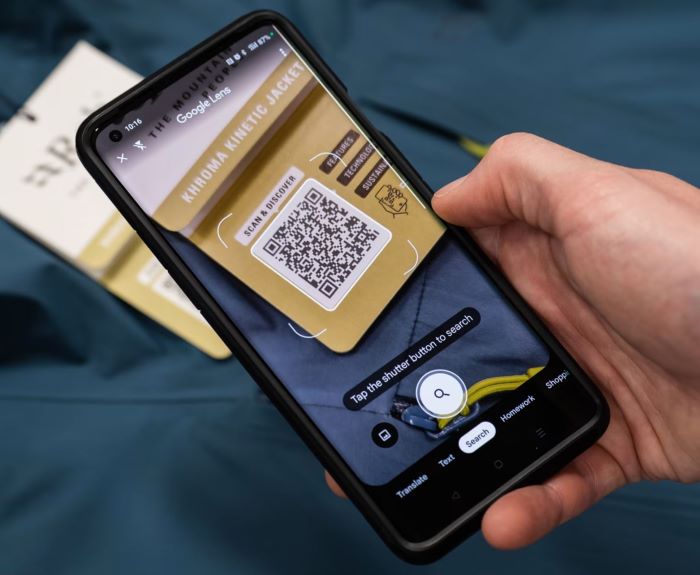
At Première Vision Paris, the innovative platform be@t introduced a groundbreaking Digital Product Passport (DPP) system. Accessible via a simple QR code on each garment, this technology provides consumers with unprecedented access to a product's complete production history and environmental footprint. This move towards radical transparency aligns with upcoming European Commission regulations and represents a significant shift in how the fashion industry communicates sustainability and ethical practices to its customers.
The fashion industry is on the cusp of a transparency revolution, driven by digital innovation and regulatory pressure. A pivotal moment in this shift occurred at the recent Première Vision Paris trade show, where the platform be@t unveiled its implementation of the Digital Product Passport (DPP). This system, accessed through a QR code attached to each product, promises to give consumers, brands, and regulators a comprehensive view of a garment's journey from raw material to retail.

The core promise of the DPP is to demystify the supply chain. By scanning the QR code, a user can access detailed information that typically remains hidden: the origin of materials, the locations and conditions of manufacturing facilities, the transportation methods used, and the product's environmental impact indicators. This level of detail moves beyond vague marketing claims of "sustainability" to provide verifiable, data-backed transparency.
How the Digital Product Passport Works
The technology behind be@t's DPP is elegantly simple for the end-user but complex in its data aggregation. Each item in a collection is assigned a unique digital identity. A QR code or NFC tag serves as the physical key to unlock this digital twin. When scanned by a smartphone, it pulls data from a secure, decentralized ledger or database, presenting it in a user-friendly interface. This system is designed to be interoperable, meaning the data structure allows for integration across different brands and platforms, a key requirement for industry-wide adoption.
The Driving Force: Regulatory Compliance and Consumer Demand
The development of DPPs is not merely a voluntary industry initiative; it is increasingly a regulatory imperative. The European Commission is moving to make Digital Product Passports mandatory for textiles sold within the EU as part of its broader European Green Deal and Circular Economy Action Plan. This regulatory push aims to combat greenwashing, improve product longevity and recyclability, and empower consumers to make informed, sustainable choices. Brands and suppliers showcasing at platforms like Première Vision are proactively adopting solutions like be@t's to stay ahead of these regulations and build trust with a new generation of ethically-conscious consumers.
Implications for the Fashion Industry
The widespread adoption of DPPs will fundamentally reshape industry practices. For brands, it necessitates a deep, digitized understanding of their own supply chains—a challenge for many. It creates a new benchmark for accountability, where environmental and social performance becomes a visible, comparable attribute of the product itself. For suppliers, it rewards transparency and sustainable practices with preferential access to brands requiring compliant data. Ultimately, it shifts power towards the consumer, providing the tools to vote with their wallet based on hard evidence rather than branding alone.

The introduction of be@t's Digital Product Passport at Première Vision Paris is a clear signal that the era of opaque supply chains is ending. By turning a garment's history into scannable data, the fashion industry is taking a crucial step towards genuine sustainability and ethical responsibility. As this technology evolves and regulations solidify, the QR code on a clothing tag may soon become the most important label of all, telling the true story of how our clothes are made.