Read on Nature
De Novo Design of GPCR Exoframe Modulators: A New Frontier in Drug Discovery
A groundbreaking study published in Nature introduces GPCR exoframe modulators (GEMs), a novel class of de novo designed proteins that target the transmembrane domains of G-protein-coupled receptors. Using advanced deep learning techniques, researchers have created synthetic proteins that act as diverse allosteric modulators, offering a new therapeutic strategy for GPCR-related disorders. This innovation represents a significant leap in precision drug design, moving beyond traditional orthosteric targeting to harness the potential of allosteric modulation for treating diseases linked to receptor dysfunction.
G-protein-coupled receptors (GPCRs) represent one of the most important families of drug targets in modern medicine, involved in numerous physiological processes and implicated in a wide range of diseases. For decades, drug discovery has primarily focused on targeting the orthosteric site where natural agonists bind. However, a revolutionary approach has emerged from recent research published in Nature, introducing GPCR exoframe modulators (GEMs)—de novo designed proteins that specifically target the transmembrane domains of GPCRs. This innovative strategy represents a paradigm shift in therapeutic development, offering unprecedented precision in modulating receptor function.
The Science Behind GPCR Exoframe Modulators
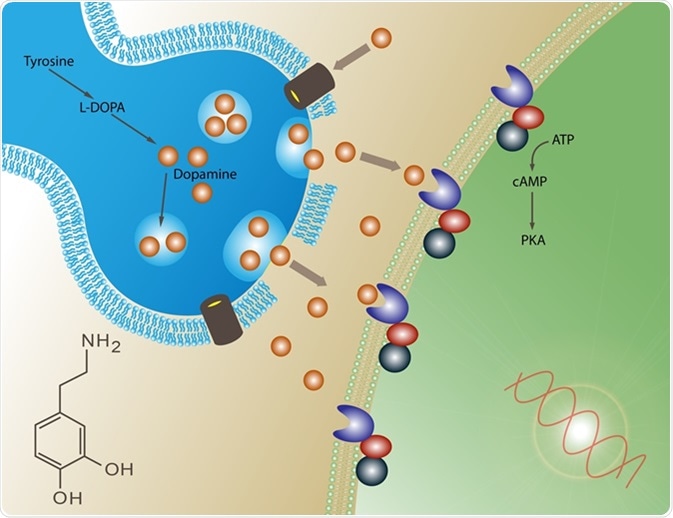
GPCR exoframe modulators represent a sophisticated approach to receptor modulation inspired by nature's own regulatory mechanisms. Drawing inspiration from how transmembrane proteins naturally regulate GPCR function, researchers developed GEMs using a hallucination-like design approach. This method involves crafting proteins with specific structural prompts to achieve desired binding modes, essentially designing proteins from scratch that can perform specific functions. The research team selected the dopamine D1 receptor as their prototypical model, systematically investigating four distinct GEMs to understand their mechanisms and therapeutic potential.
Design Methodology and Structural Innovation
The creation of GEMs represents a remarkable fusion of computational biology and structural biochemistry. Researchers employed advanced deep learning tools including RFDiffusion and AlphaFold to design proteins that could specifically interact with the transmembrane domains of GPCRs. This approach allowed them to create proteins with three strategic structural prompts that guide their binding to specific regions of the receptor. The structural studies revealed that these designed proteins bind to the transmembrane domains and function as diverse allosteric modulators, including agonist-positive allosteric modulators (ago-PAMs), negative allosteric modulators (NAMs), and biased allosteric modulators.

Therapeutic Implications and Applications
The most promising application of GEM technology lies in its potential to treat GPCR-related disorders caused by loss-of-function mutations. The ago-PAM GEM demonstrated remarkable ability to restore activity in various D1 receptor loss-of-function mutants, suggesting a promising therapeutic pathway for conditions linked to receptor dysfunction. This represents a significant advancement over traditional approaches that typically target the orthosteric site, offering instead a method to modulate receptor function through allosteric mechanisms that can potentially correct underlying functional deficiencies.
Diverse Modulation Capabilities
One of the most significant findings from the research is the diverse modulation capabilities of different GEM designs. The four investigated GEMs demonstrated distinct functional profiles: some acted as positive allosteric modulators that enhanced receptor signaling, others functioned as negative modulators that reduced signaling, while some showed biased modulation properties that preferentially activated specific signaling pathways. This diversity suggests that GEM technology could be tailored to address specific therapeutic needs, whether requiring enhancement, suppression, or pathway-specific modulation of receptor activity.
Future Directions and Industry Impact
The development of GPCR exoframe modulators opens new avenues for drug discovery across multiple therapeutic areas. As reported in the Nature study, this approach highlights the potential of deep learning-based methods in designing function-oriented membrane proteins. The technology could be extended beyond dopamine receptors to target other clinically important GPCRs involved in neurological disorders, metabolic diseases, cardiovascular conditions, and immune system regulation. The ability to design proteins that specifically modulate receptor function through allosteric mechanisms represents a powerful tool for developing next-generation therapeutics with potentially fewer side effects and greater specificity than traditional drugs.
The research published in Nature demonstrates that computational protein design has reached a stage where it can produce functional therapeutic agents with predictable properties. As these technologies continue to evolve, we can anticipate more sophisticated approaches to drug design that leverage artificial intelligence and structural biology to create targeted therapies for conditions that have proven difficult to treat with conventional approaches. The era of de novo designed protein therapeutics appears to be dawning, with GPCR exoframe modulators leading the way toward more precise and effective medical interventions.