Read on Nature
Understanding the Correction: How Psychedelics Work Through 5-HT2A Receptor Signaling
A recent publisher correction in the journal Nature clarifies critical details in a landmark study on psychedelic mechanisms. The original research, published in January 2026, proposed that psychedelics like psilocybin and 5-MeO-DMT exert their profound effects primarily through 5-HT2A receptor-mediated Gi protein signaling, challenging the long-held belief that Gq signaling was dominant. The correction addresses minor but important typographical errors in chemical structures, amino acid residue labels, and figure annotations, ensuring the scientific record's accuracy. This article explains the significance of the corrected findings and their implications for developing novel, targeted psychiatric treatments.
The scientific understanding of how psychedelic substances alter consciousness and potentially treat mental health disorders took a significant step forward with a groundbreaking 2026 study published in Nature. However, ensuring the absolute precision of published research is paramount. A subsequent Publisher Correction has been issued to rectify several minor errors in the original article titled "Psychedelics elicit their effects by 5-HT2A receptor-mediated Gi signalling." This correction, while technical, underscores the meticulous nature of scientific publishing and reinforces the study's core, revolutionary finding: psychedelics primarily act through a specific cellular signaling pathway previously underappreciated.
The Core Discovery: Gi vs. Gq Signaling
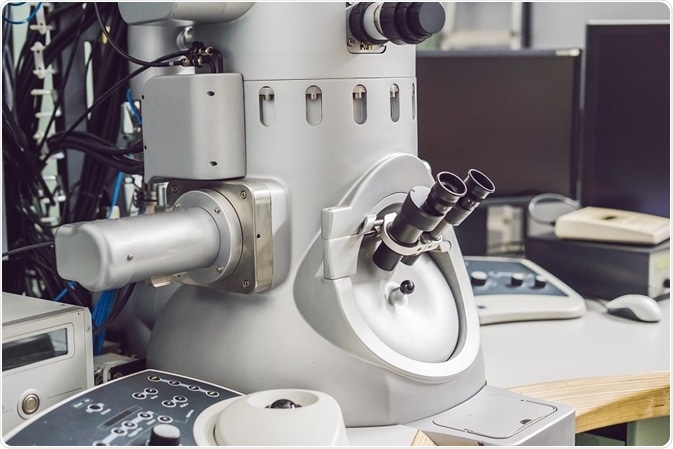
The original research presented a paradigm-shifting model. For decades, the classical view held that psychedelics like psilocybin (found in "magic mushrooms") and 5-MeO-DMT produced their effects by activating the 5-HT2A serotonin receptor, which then triggered a downstream cascade via Gq proteins. The 2026 study, utilizing advanced cryo-electron microscopy, provided compelling evidence that these substances preferentially bias the receptor toward signaling through Gi proteins instead. This distinction is not merely academic; Gi and Gq pathways activate different intracellular processes, which has profound implications for drug design. Targeting the Gi pathway could potentially lead to therapeutics that retain the therapeutic benefits of psychedelics—such as rapid-acting antidepressant or anti-addiction effects—while minimizing unwanted side effects.
Details of the Publisher Correction
The correction notice, published on February 17, 2026, addresses a series of specific errors that do not alter the study's conclusions but are crucial for precise scientific communication. The errors fell into several categories, primarily concerning the accurate depiction of molecular details.
Chemical Structure and Label Corrections
Several errors involved the superscript positioning of numbers in residue labels (e.g., "L2295.52") and incorrect labels in figure keys. For instance, in Figure 1a, the chemical structure of 5-MeO-DMT was drawn with an erroneous extra bond on an oxygen atom. Additionally, the phosphate group on the psilocybin structure was incorrectly labeled "O–" instead of "OH." Another significant correction was in the caption for Extended Data Fig. 5, where the label "Y2545.48" was corrected to "Y2545.58." These precise identifiers are essential for other researchers replicating or building upon the structural findings.

Terminology and Figure Annotations
The correction also standardized terminology, changing "alkane chain" and "alkane atoms" to the more chemically accurate "alkyl chain" and "alkyl groups" in the text and figure captions. Furthermore, figure keys were amended; in Fig. 5g, labels mistakenly reading "5-HT1BR-Gq" and "5-HT1CR-Gq" were corrected to "5-HT2BR-Gq" and "5-HT2CR-Gq," accurately reflecting the receptor subtypes discussed. These updates ensure consistency and prevent potential confusion in the interpretation of the complex pharmacological data presented.
Why Precision in Scientific Publishing Matters
Publisher corrections are a normal and vital part of the scientific process. They demonstrate the self-correcting nature of science and a commitment to transparency. For a high-impact study in a premier journal like Nature, which serves as a foundation for future research and clinical development, such attention to detail is critical. The corrected details, particularly the chemical structures and receptor labels, are the essential "coordinates" that other scientists use to understand the interaction between psychedelic molecules and their target. An error in a structural diagram or a residue number could theoretically lead another lab down an incorrect path during experimental design or computational modeling.
Implications for Future Research and Therapy
The reaffirmed Gi-signaling mechanism opens new avenues for psychiatric drug discovery. By understanding the exact molecular pathway, researchers can now aim to design novel compounds that selectively activate the 5-HT2A receptor's Gi pathway. These "biased ligands" could become the next generation of neurotherapeutics, potentially offering the efficacy of psilocybin-assisted therapy without requiring the intense, hours-long psychedelic experience. This could dramatically improve accessibility, safety, and scalability of treatment for conditions like treatment-resistant depression, PTSD, and substance use disorders. The corrected study, now with its accurate data, provides a more reliable blueprint for this endeavor.
In conclusion, the Publisher Correction for "Psychedelics elicit their effects by 5-HT2A receptor-mediated Gi signalling" exemplifies the rigorous standards of scientific publishing. It fine-tunes the presentation of a landmark discovery without changing its revolutionary core message. The clarified findings solidify a new mechanistic understanding of psychedelics, moving the field from phenomenological observation to precise molecular explanation. This precision is the bedrock upon which safe and effective new medicines will be built, bringing us closer to harnessing the therapeutic potential of these powerful compounds in a controlled and targeted manner. The future of mental health treatment may well be guided by the corrected details in this pivotal Nature paper.