Read on PBS News
Trump-Netanyahu Meeting: U.S.-Israel Tensions Emerge Over Iran Talks and West Bank Policy
President Trump's hastily arranged meeting with Israeli Prime Minister Benjamin Netanyahu highlights growing diplomatic tensions between the two allies. As the U.S. restarts nuclear negotiations with Iran, Israel expresses deep concerns about the terms and direction of these talks. Simultaneously, Israel's aggressive actions in the West Bank, including new measures to facilitate land acquisition by Jewish settlers, threaten to create a significant rift with the Trump administration, which has publicly opposed annexation. This analysis examines the complex dynamics shaping this critical bilateral relationship.
The diplomatic relationship between the United States and Israel, long considered one of the most steadfast alliances in international politics, is facing a period of significant strain. A hastily arranged meeting between President Donald Trump and Israeli Prime Minister Benjamin Netanyahu in February 2026 underscored emerging tensions on two critical fronts: the renewed U.S. negotiations with Iran over its nuclear program and Israel's escalating actions in the occupied West Bank. This article analyzes the key issues discussed, the conflicting priorities of the two leaders, and the potential implications for regional stability and the U.S.-Israel partnership.
The Iran Nuclear Negotiations: A Core Point of Contention
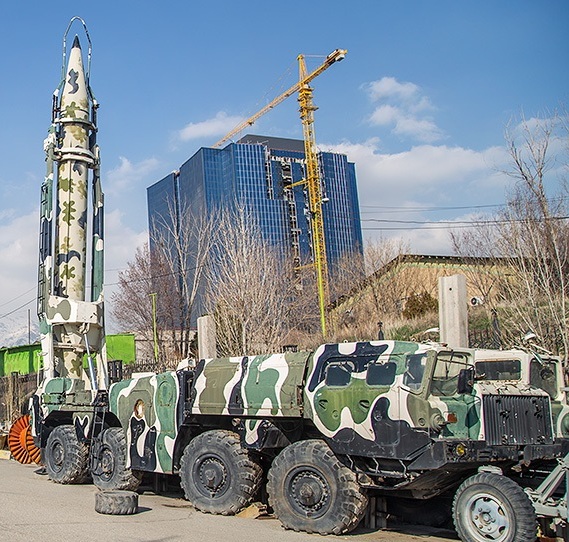
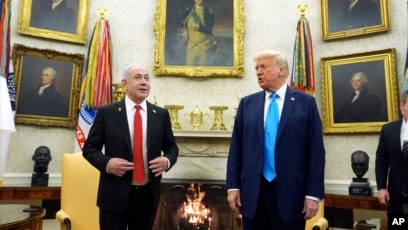
The primary agenda item for the 2.5-hour meeting was the United States' decision to restart direct talks with Iran regarding its nuclear program. According to a PBS NewsHour report, President Trump has recently shifted his rhetoric, emphasizing diplomacy with Tehran despite maintaining a significant military presence in the region, including what he described as a "massive flotilla." This pivot toward negotiation has caused considerable anxiety in Jerusalem. Prime Minister Netanyahu arrived at the White House—his sixth visit during Trump's second term—with a clear mandate to influence the terms of any potential deal.
Israel's Demands and U.S. Posture
Israel, alongside the U.S., has presented a set of non-negotiable demands to Iran. These include a complete end to its uranium enrichment program, strict limitations on its ballistic missile development, and the cessation of financial and military support for militant proxy groups across the Middle East. In a statement following the meeting, President Trump noted that "nothing definitive" was reached but insisted that negotiations should continue to see if a deal could be "consummated." He expressed a preference for a diplomatic solution but voiced deep skepticism about Iran's trustworthiness, stating in a FOX News interview that "some people worry that they have been very dishonest with us over the years." Vice President J.D. Vance reinforced this focus, clarifying that the administration's immediate priority is ensuring "Iran can't have a nuclear weapon."
The West Bank Flashpoint: Annexation and Displacement
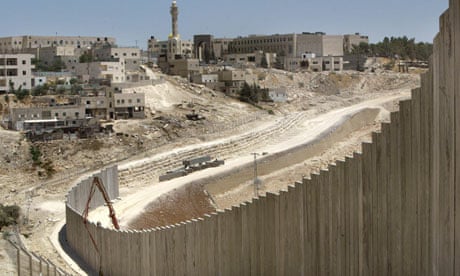
Beyond Iran, a second, potentially more immediate rift is forming over Israel's policies in the Palestinian territories. Just days before Netanyahu's visit, Israel's Security Cabinet approved a controversial measure designed to make it easier for Jewish settlers to legally claim and acquire land from Palestinians in the West Bank. This move was championed by Israel's ultra-nationalist Finance Minister, Bezalel Smotrich, who declared it would help "bury the idea of a Palestinian state." The decision drew swift condemnation from the international community, including the United Nations, where a spokesman for the Secretary-General warned it was "eroding the prospects for a two-state solution."
Contradicting U.S. Policy and Palestinian Perspectives
This aggressive action directly contradicts the stated position of the Trump administration. In an interview with Axios ahead of the meeting, President Trump reiterated his opposition to annexation, bluntly adding, "We have enough things to be thinking about now." For Palestinians living in the West Bank, the new measure is seen as part of a systematic effort to force their displacement. Munther Al Natsheh, a resident of Hebron, described the Netanyahu government as "fascist" and accused it of seeking to eliminate a Palestinian presence in the West Bank entirely. This creates a difficult balancing act for President Trump, who has otherwise been a strong supporter of Netanyahu but must now reconcile that support with a policy that undermines stated U.S. objectives and fuels regional instability.
Analysis: A Relationship at a Crossroads
The concurrent pressures of Iran diplomacy and West Bank annexation reveal a U.S.-Israel relationship at a critical juncture. While both leaders share a deep suspicion of the Iranian regime, their tactical approaches are diverging. The U.S., under Trump, appears willing to test diplomacy backed by military pressure, whereas Israel remains fundamentally opposed to any deal it perceives as insufficient. On the Palestinian issue, the divergence is even starker. Netanyahu's coalition government, reliant on far-right parties, is pursuing maximalist territorial goals that the U.S. administration has explicitly rejected. This meeting, while cordial on the surface, failed to resolve these core disagreements, setting the stage for continued friction. The strength of the alliance will be tested by whether both sides can manage these competing priorities without allowing a permanent rupture to develop.