The Strait of Hormuz Standstill: How a Middle East Conflict Threatens Global Supply Chains
The Strait of Hormuz, a critical maritime chokepoint responsible for 20% of global oil shipments, has come to a near standstill due to escalating conflict between Iran, the US, and Israel. This disruption threatens to ripple through global supply chains, potentially leading to higher prices for consumer goods worldwide. While Middle Eastern exports represent a small fraction of finished products, their role as suppliers of raw materials and components creates vulnerabilities that could impact everything from fertilizer production to electronics manufacturing.
The strategic waterway of the Strait of Hormuz, typically bustling with over a hundred vessels daily, has become eerily quiet as military conflict escalates between Iran and Western powers. This maritime artery, located between Iran, Oman, and the United Arab Emirates, serves as a critical chokepoint for global trade, handling approximately 20% of the world's oil shipments alongside countless container ships carrying manufactured goods and raw materials. The current standstill represents more than a regional disruption—it signals potential turbulence for global supply chains that could translate to higher prices for consumers across continents.

The Strategic Importance of the Strait of Hormuz
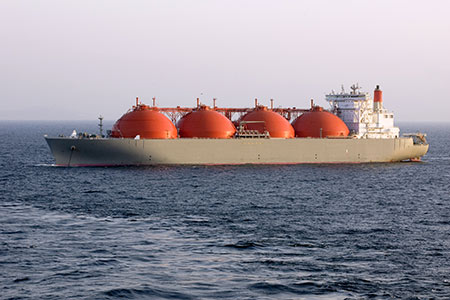
As reported by WIRED, the Strait of Hormuz functions as one of the planet's most vital shipping corridors. On any given day, approximately half of the vessels passing through are oil tankers carrying every fifth barrel of oil consumed globally. The remaining traffic consists of container ships transporting manufactured goods, bulk carriers hauling agricultural products like grain, and specialized vessels carrying liquefied natural gas and other commodities. This concentration of maritime traffic through a narrow waterway creates significant vulnerability when geopolitical tensions escalate.
Current Conflict Dynamics
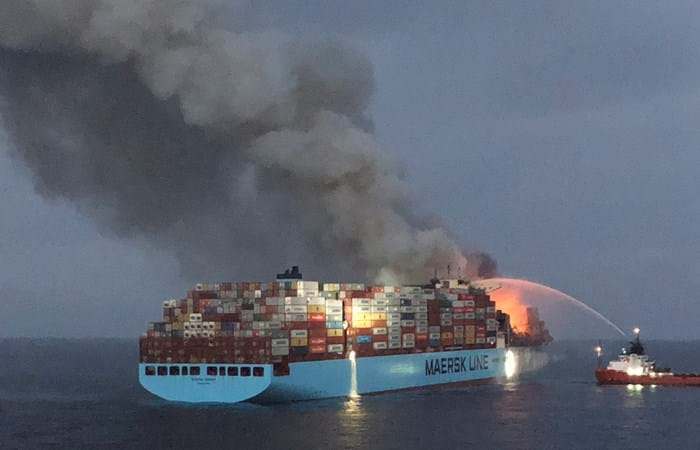
The conflict, initiated by the United States and Israel against Iran, has expanded to involve multiple Middle Eastern nations, effectively paralyzing commercial shipping through the Strait. In recent days, only a handful of vessels have attempted passage as Iranian attacks on cargo ships and American counterstrikes against Iranian naval assets have created a dangerous environment for commercial operators. This escalation follows a pattern of increasing tensions that has transformed a normally bustling waterway into a maritime no-go zone for risk-averse shipping companies.
Supply Chain Implications
While the Middle East represents a relatively small fraction of the global supply chain network—accounting for less than a quarter of goods exported from the region—its role as a supplier of raw materials creates downstream vulnerabilities. According to data collected by Marsh, an insurance broking and risk management firm, more than three-quarters of Middle Eastern exports constitute what industry professionals call Tier 3 suppliers. These entities provide raw materials to manufacturers who transform them into components, which then move up the supply chain to become finished products.
The specific exports currently disrupted include critical industrial materials: sulfur for fertilizer production, various plastics, precision instruments, machinery components, electrical parts, aluminum, and electronic components like transistors and diodes. The fertilizer shortages could prove particularly damaging as the northern hemisphere enters its growing season, potentially affecting agricultural yields and food prices in coming months.
Economic Consequences and Consumer Impact
The supply chain disruption occurring at the Strait of Hormuz creates a complex economic scenario with potentially far-reaching consequences. James Crask, who heads the global supply chain practice at Marsh, notes that while producers may reroute shipments around Africa or seek alternative suppliers, these constraints combined with existing trade tensions create conditions ripe for price increases. "Having a market that is constrained from shipping goods in a really quite vulnerable supply chain network means at best we're going to see price pressure," Crask explains in the WIRED analysis.
The economic effects could expand if the conflict draws in additional regional players. Turkey, for example, serves as a significant producer of automotive parts and apparel—industries that could experience supply chain disruptions if hostilities spread. Analysts with Allianz Trade have warned that a conflict extending beyond six weeks could generate wider global economic effects, with higher oil prices translating to increased inflation rates and reduced consumer purchasing power.
Broader Geopolitical Context
The current standstill at the Strait of Hormuz occurs against a backdrop of existing trade tensions and supply chain vulnerabilities exposed during recent global events. The combination of military conflict with what the WIRED article describes as "the Trump administration's erratic tariff regime" creates what Crask calls "a recipe for outsize disruption—and possibly price hikes." This convergence of factors suggests that the economic impact may extend beyond what would typically result from a regional conflict of similar scale.
Conclusion: Navigating Uncertain Waters
The paralysis of shipping through the Strait of Hormuz represents more than a regional crisis—it serves as a stark reminder of how interconnected global supply chains remain vulnerable to geopolitical flashpoints. While the immediate impact on consumer goods may be delayed due to the Middle East's position as a supplier of raw materials rather than finished products, the potential for price increases remains significant if the conflict persists. The situation underscores the delicate balance between global commerce and regional stability, with implications that extend from oil markets to supermarket shelves worldwide. As shipping companies, manufacturers, and governments navigate these uncertain waters, consumers may ultimately bear the cost of disruptions in one of the world's most strategic maritime corridors.