IEA Proposes Record 400 Million Barrel Oil Release Amid US-Israel War on Iran
The International Energy Agency has agreed to release 400 million barrels of oil from its members' strategic reserves in an unprecedented move to counter soaring global energy prices. This emergency action comes as the US-Israeli war on Iran has effectively closed the crucial Strait of Hormuz shipping route, causing Brent crude prices to surge more than 25% since February 28. The proposed release represents the largest coordinated action in IEA history, surpassing the 182 million barrels released after Russia's invasion of Ukraine in 2022.
The global energy landscape faces unprecedented disruption as the International Energy Agency (IEA) announces a record-breaking emergency response to soaring oil prices triggered by the ongoing US-Israeli war on Iran. In a move that underscores the severity of current market conditions, the IEA has agreed to release 400 million barrels of oil from its members' strategic reserves—more than double the amount released during the 2022 Ukraine crisis. This coordinated action represents a critical intervention in a market where Brent crude has surged over 25% since February 28, reaching levels not seen since Russia's invasion of Ukraine.

Unprecedented Scale of Emergency Response
The proposed 400 million barrel release marks the largest coordinated action in the IEA's history, surpassing the 182 million barrels released in 2022 following Russia's full-scale invasion of Ukraine. IEA executive director Fatih Birol emphasized the exceptional nature of this response, stating in an official announcement that "the oil market challenges we are facing are unprecedented in scale." This emergency measure comes as member countries hold more than 1.2 billion barrels of emergency oil stocks, with an additional 600 million barrels of industry stocks held under government obligation.
Despite the massive scale of this release, analysts remain skeptical about its ability to fully address market concerns. According to Macquarie analysts cited by Reuters, the proposed release equals roughly four days of global production and 16 days of the volume of crude that typically transits through the Gulf region. As one analyst noted, "If that doesn't sound like much, it isn't." This perspective highlights the fundamental challenges facing global energy markets beyond simple supply constraints.

Geopolitical Context and Market Disruption
The current crisis stems directly from military actions that began on February 28, when the United States and Israel launched their war on Iran. In response, Iran has effectively closed the Strait of Hormuz—a crucial shipping route through which approximately one-fifth of global oil and gas supplies transit. This strategic waterway blockade represents what US Interior Secretary Doug Burgum described as a "temporary transit problem" during an interview with Fox News, though its economic impact has been anything but temporary.
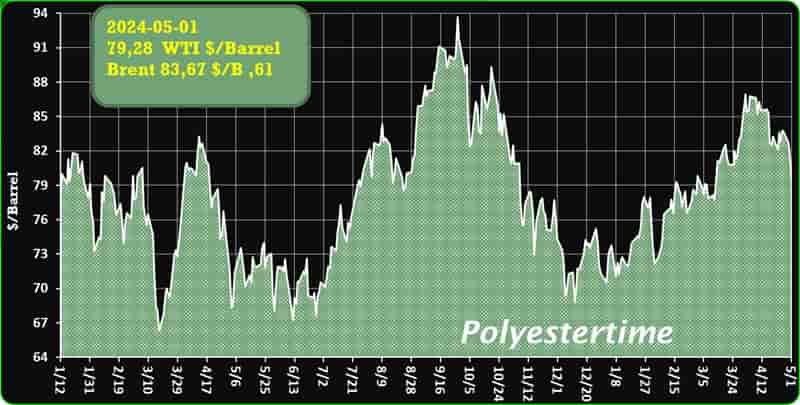
Beyond the Strait of Hormuz closure, Iran has targeted oil fields and refineries in Gulf Arab states, aiming to generate sufficient global economic pressure to force the US and Israel to halt military operations. These attacks have disrupted refinery operations with "major implications for jet fuel and diesel supplies in particular," according to Birol. The combination of transit restrictions and infrastructure damage has created a perfect storm for energy markets, with Brent crude trading at $119 per barrel earlier this week—the first time oil has exceeded $100 per barrel since 2022.
International Participation and Market Response
Several key nations have already committed to participating in the coordinated release. The United Kingdom announced it would contribute 13.5 million barrels, while South Korea pledged 22.46 million barrels from its strategic reserves. Germany and Austria confirmed they would release portions of their reserves following the IEA request, and Japan stated it would begin releasing reserves starting Monday. This broad international participation demonstrates the global consensus regarding the severity of the current energy crisis.
Market response to the announcement has been mixed. While Brent crude prices retreated from their peak of $119 per barrel to trade above $90 following the IEA announcement, analysts note that the pace of daily stock releases will prove more important than the overall amount. The fundamental concern remains potential further supply disruptions following attacks on ships in the Strait of Hormuz, which could quickly negate the impact of strategic reserve releases.
Historical Context and Strategic Implications
The IEA reserves were established in 1974 following the Arab oil embargo specifically to respond to global oil supply disruptions. The current crisis represents the most significant test of this system in decades. The announcement came just one day after Group of Seven (G7) energy ministers met at IEA headquarters in Paris to explore all available options for bringing down prices, including making emergency oil stocks available to the market.
This emergency action occurs against a backdrop where Middle East oil producers have begun reducing production due to insufficient routes to market and limited available storage capacity. As Birol noted, "Without sufficient routes to market and with no more available storage, Middle East oil producers have started to reduce production." This creates a complex challenge that extends beyond immediate supply constraints to encompass broader logistical and infrastructure limitations.
Conclusion: Navigating an Uncertain Energy Future
The IEA's record-breaking emergency release represents a critical intervention in global energy markets facing unprecedented disruption. While the 400 million barrel release provides temporary relief, the fundamental challenges—including the Strait of Hormuz closure, refinery disruptions, and broader geopolitical instability—require more comprehensive solutions. As the situation continues to evolve, market participants will closely monitor both the implementation of strategic reserve releases and diplomatic efforts to resolve the underlying conflict. The coming weeks will test the resilience of global energy systems and the effectiveness of international coordination in addressing complex geopolitical-economic challenges.