Read on PBS News
Understanding the 'Black Rain' in Iran: Environmental and Health Impacts of Airstrikes
Recent reports of black, acidic rain falling over parts of Iran following U.S.-Israeli airstrikes on oil depots have raised significant environmental and public health concerns. This phenomenon, resulting from the combustion of vast quantities of petroleum and infrastructure, involves a toxic cocktail of pollutants being washed from the atmosphere. This article examines the scientific explanation behind this 'acid rain,' detailing its chemical composition, the immediate and long-term health risks for the local population, and the broader environmental legacy of conflict. We explore why this event represents more than conventional acid rain and what steps can be taken to mitigate exposure in a war-torn region.
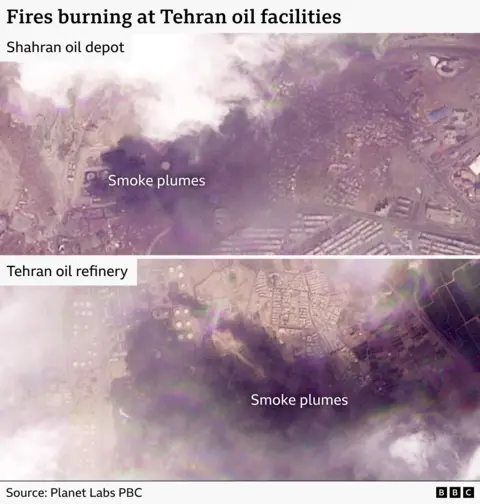
In the wake of recent military strikes on oil infrastructure, residents in parts of Iran have reported a disturbing meteorological phenomenon: black, oily rain falling from the sky. Described by some outlets as "acid rain," this event has prompted warnings from health authorities and sparked concern among atmospheric scientists. The rain is a direct and visible consequence of the thick, toxic plumes of smoke generated by the bombing of oil depots, serving as a stark indicator of severe air pollution and presenting immediate dangers to human health and the environment. This article delves into the science behind this black rain, its composition, and the multifaceted risks it poses.
The Science Behind the Black Rain
Rain acts as a natural atmospheric cleanser. When air is heavily polluted, falling water droplets collect and remove particulate matter and gaseous contaminants, depositing them on the ground—a process known as "wet deposition." The reports of black rain in Iran are a clear sign that the local atmosphere was saturated with pollutants from the burning oil facilities. As explained by atmospheric chemist Gabriel da Silva in an analysis for PBS NewsHour, this is evidence of just how contaminated the air must have been following the strikes.
More Than Just Acid Rain
While the term "acid rain" is being used, the reality is likely more complex and hazardous. Conventional acid rain is primarily caused by sulfur dioxide and nitrogen oxides from fossil fuel combustion, which form sulfuric and nitric acids in the atmosphere. The smoke from the bombed oil depots would contain these precursors. However, the black coloration indicates the rain contains a much broader cocktail of toxic substances. This includes unburned hydrocarbons, carcinogenic compounds like polycyclic aromatic hydrocarbons (PAHs), and ultrafine particulate matter known as PM2.5. The rain may also contain heavy metals and inorganic compounds from shattered infrastructure, creating a hazardous mixture that settles on buildings, vehicles, and waterways.

Immediate and Long-Term Health Risks
The health implications of exposure to this polluted rain and the accompanying smoke are severe and multi-layered, affecting both the short and long term.
Short-Term Exposure Effects
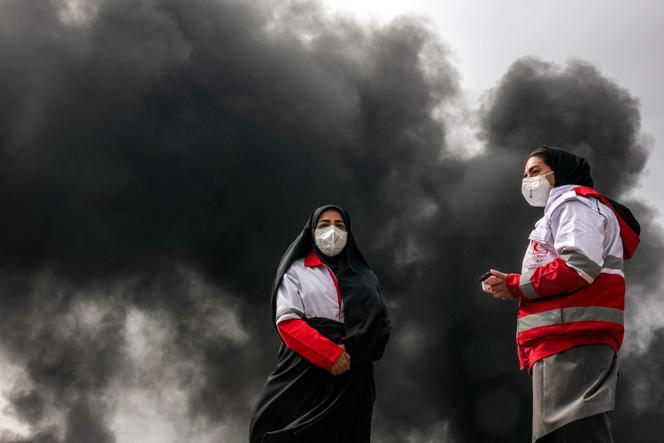
In the immediate aftermath, residents have reported symptoms such as headaches and difficulty breathing. These are classic signs of exposure to toxic air pollution. Individuals with pre-existing respiratory conditions like asthma are at particularly high risk. The thick smoke itself is harmful at any detectable level; simply being able to smell it indicates exposure to concentrations that can cause harm. Vulnerable groups, including the elderly, young children, and pregnant women, face heightened dangers, with potential impacts including lower birth weights.
Long-Term Health Consequences
The long-term outlook is even more concerning. Chronic exposure to the compounds in this black rain and smoke significantly increases cancer risk. Inhalable PM2.5 particles can enter the bloodstream and have been linked to a range of serious conditions beyond cancer, including cardiovascular disease and neurological impairments like cognitive decline. Furthermore, pollutants deposited by the rain on roads and buildings can be re-suspended into the air by wind, leading to prolonged or repeated exposure for the local population long after the initial event.
Environmental Impact and the Legacy of Conflict
The environmental damage extends beyond public health. When these polluted plumes are washed into rivers, lakes, and groundwater, they threaten aquatic ecosystems and can contaminate sources of drinking water. This event is part of a growing recognition of the severe environmental toll of modern warfare. Historical precedents, such as the burning oil wells in Kuwait during the Gulf War and the use of open-air burn pits in Iraq, have demonstrated that the environmental and health consequences of conflict persist for decades, affecting both military personnel and local civilians.
Mitigation and Protective Measures
In an ideal scenario, protecting the population would involve clear public health directives. Experts recommend that individuals in affected areas wear protective masks (like N95 respirators), seek refuge indoors, and seal homes by closing doors and windows to keep polluted air out. Cleaning hard indoor surfaces is also advised to remove deposited pollutants. However, as da Silva notes in his analysis, implementing these measures is profoundly challenging amidst the chaos and infrastructure damage caused by active conflict, highlighting the tragic intersection of war and environmental disaster.
The phenomenon of black rain in Iran is a potent and visible symbol of the collateral damage wrought by warfare on oil infrastructure. It transcends the simplified label of "acid rain," representing a severe compound environmental and public health crisis. The event underscores the urgent need to consider the ecological and human health consequences of military actions, which can leave a toxic legacy that endures long after the fighting has ceased. Addressing the immediate needs of the affected population while documenting these impacts is crucial for understanding the full cost of conflict.