Read on the Guardian
Geneva Peace Talks End Without Breakthrough as Ukraine War Nears Fifth Year
The latest US-mediated peace negotiations between Russia and Ukraine concluded in Geneva without a significant breakthrough, as the conflict approaches its fifth anniversary. Ukrainian President Volodymyr Zelenskyy accused Moscow of deliberately prolonging the process, citing unresolved core issues like the status of occupied territories and the Zaporizhzhia nuclear plant. The talks, which ended after a brief second day, highlight the vast gulf between the warring parties' positions and the complex international pressures at play, including from the Trump administration.
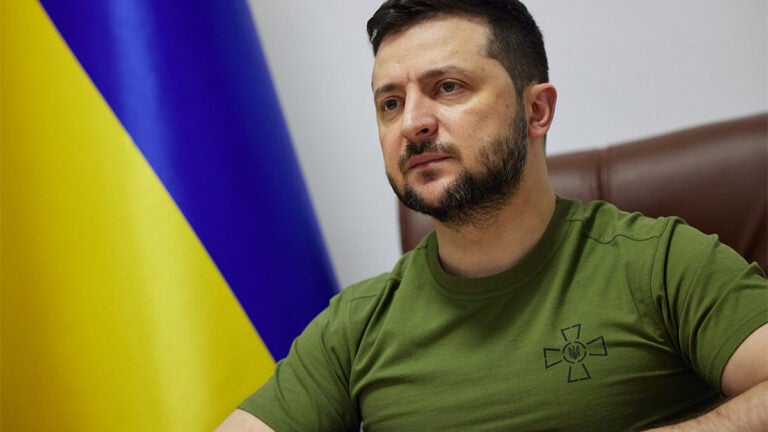
The protracted war in Ukraine, poised to enter its fifth year, faces another diplomatic setback as the latest round of US-mediated peace talks in Geneva concluded without a major breakthrough. The negotiations, which wrapped up on Wednesday, underscored the profound challenges in bridging the gap between Kyiv and Moscow, with Ukrainian President Volodymyr Zelenskyy accusing Russia of intentionally dragging out the process. As the conflict grinds on, the international community watches closely, with the stakes for regional stability and global security higher than ever.
Outcome of the Geneva Negotiations
The talks in Switzerland, facilitated by the United States, ended after a notably short second day, signaling minimal progress. President Zelenskyy stated that while some groundwork had been laid, fundamental disagreements remained on the most contentious issues. He described the negotiations as "not easy," with positions still diverging significantly. The Russian delegation, led by chief negotiator Vladimir Medinsky, characterized the discussions as "difficult but businesslike" and indicated that further rounds were planned.
Core Unresolved Issues
Several critical obstacles continue to block the path to peace. According to reports from the talks, the status of Russian-occupied territories in eastern Ukraine remains a primary point of contention. Moscow has demanded these areas be fully ceded as a precondition for ending hostilities, a condition Kyiv has repeatedly rejected. Zelenskyy has, however, indicated a willingness to consider alternative arrangements, such as establishing a demilitarized zone.
Another major sticking point is the future of the Zaporizhzhia Nuclear Power Plant, Europe's largest, which remains under Russian control. The safety and governance of this facility are of grave international concern. Furthermore, the sequencing of security guarantees and territorial compromises has become a key dispute. Ukraine insists on receiving firm security commitments from Western allies before discussing any territorial concessions, while the US, under the Trump administration, has reportedly pushed for the opposite order.

International Pressures and Stances
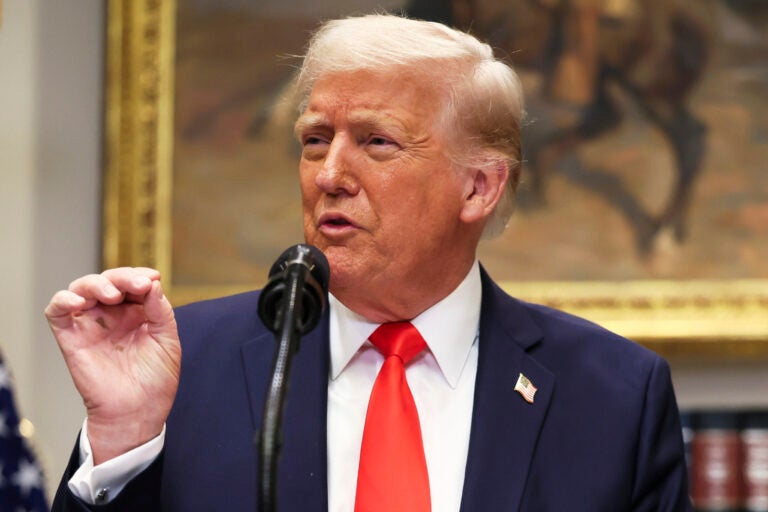
The dynamics of the negotiations are heavily influenced by international actors. The Trump administration, eager for a foreign policy achievement, has been applying pressure on Kyiv to make territorial concessions upfront. Zelenskyy has publicly highlighted this discrepancy, stating on social media that security guarantees must come first. European assessments suggest that Russian President Vladimir Putin is unlikely to make meaningful compromises unless significantly pressured by battlefield setbacks or domestic unrest.
Military and Strategic Context
On the ground, the war continues with limited territorial changes. Russian forces have made only modest gains this year, while Ukrainian troops have executed several localized counteroffensives, particularly in the Zaporizhzhia region. Some Western intelligence suggests Russia is facing growing difficulties in troop recruitment, and its economy has slowed to near-zero growth. However, analysts like Russian political expert Tatiana Stanovaya argue that as long as Putin remains in power and Russia has resources for its military, the war is likely to persist.
Path Forward and Conclusion
The conclusion of the Geneva talks without a breakthrough paints a sobering picture of the road ahead. With the war's fifth anniversary imminent, the human and economic toll continues to mount. The fundamental lack of trust and the diametrically opposed core demands of both sides suggest that a swift resolution is unlikely. Future negotiations will require not only diplomatic creativity but also shifts in the military and political landscapes to create the necessary conditions for a sustainable peace. The international community's unity and strategic patience will be tested as the world watches this devastating conflict unfold further.