Read on the Guardian
Geneva Peace Talks End Without Breakthrough as Ukraine and Russia Remain Divided on Key Issues
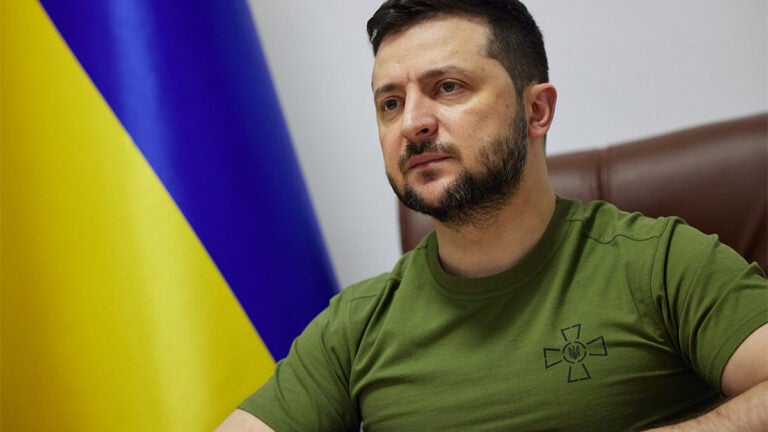
The latest round of US-mediated peace talks between Russia and Ukraine concluded in Geneva without a major breakthrough, as the conflict approaches its fifth year. Ukrainian President Volodymyr Zelenskyy described the negotiations as 'difficult' and accused Russia of 'dragging out' the process. The most contentious unresolved issues remain the status of occupied territories in eastern Ukraine and the future of the Zaporizhzhia nuclear power plant under Russian control. The talks ended after just two hours, signaling minimal progress despite international pressure for a resolution.
The latest round of US-mediated peace talks between Russia and Ukraine concluded in Geneva on Wednesday without achieving the breakthrough many had hoped for, as the devastating conflict approaches its fifth year. Ukrainian President Volodymyr Zelenskyy described the negotiations as "difficult" and accused Moscow of "trying to drag out" the diplomatic process, according to reports from The Guardian's live coverage. The talks ended abruptly after approximately two hours, a stark contrast to the previous day's negotiations that reportedly lasted six hours, underscoring the significant gaps that remain between the two sides.

Core Issues Blocking Progress
President Zelenskyy identified two particularly "sensitive" issues that remain unresolved in the peace negotiations. The first concerns the fate of occupied territories in eastern Ukraine, regions that have been under Russian control since the early stages of the conflict. The second major sticking point is the future of the Zaporizhzhia nuclear power plant, Europe's largest nuclear facility, which has been under Russian military occupation since March 2022. Both issues represent fundamental questions of sovereignty and security that have proven resistant to diplomatic compromise.
Russian news agencies quoted sources describing the negotiations as "very tense," with neither side offering public signs of meaningful progress. The Ukrainian delegation head, Rustem Umerov, told reporters that while the talks were "intensive and substantive" and some issues were clarified, he could not disclose specific details at this stage. "There is progress but no details can be disclosed at this stage," Umerov stated, according to media reports.
International Context and Pressure
The Geneva talks occurred against a backdrop of continued military engagement and complex international dynamics. The conflict will enter its fifth year next week, with fighting continuing despite diplomatic efforts. The US mediation comes during a period of shifting global alliances and pressures, including former President Donald Trump's promises to end the war on the first day of his presidency—a commitment that has added another layer of complexity to the negotiations.

Meanwhile, regional tensions have escalated with Slovakia threatening to cut emergency electricity supplies to Kyiv if Ukraine does not reopen a pipeline that brings Russian oil to Slovakia and Hungary. Slovakian Prime Minister Robert Fico, a close ally of Russian President Vladimir Putin along with Hungary's Viktor Orbán, declared a state of emergency over oil supplies and accused Ukraine of using the pipeline closure to "blackmail" Hungary over its opposition to Ukrainian EU membership.
Broader Diplomatic Fallout
The stalled peace talks have reverberated beyond the immediate conflict zone. Ukraine has sanctioned Belarusian President Alexander Lukashenko for providing military support to Russia, while sports diplomacy has suffered with Ukraine officials announcing they will boycott the Winter Paralympics opening ceremony over the decision to allow Russian and Belarusian athletes to compete under their national flags. "The flags of Russia and Belarus have no place at international sporting events that stand for fairness, integrity, and respect," said Ukrainian Sports Minister Matvii Bidnyi.
As the diplomatic impasse continues, the human and economic costs of the conflict mount. The abrupt end to Wednesday's talks after just two hours suggests that despite international mediation efforts, the fundamental disagreements between Russia and Ukraine remain deeply entrenched. With both sides describing the negotiations as difficult and showing little public indication of flexibility on core issues, the path to a sustainable peace agreement appears increasingly challenging as the war approaches its fifth anniversary.