Insider Trading Concerns Rise as Anonymous Bets Preceded Deadly Iran Strikes
The recent US-Israel joint strikes on Iran, which resulted in over 1,000 casualties, have been shadowed by allegations of potential insider trading on prediction markets. An anonymous trader on the platform Polymarket reportedly profited over $500,000 from a bet placed just 71 minutes before the attack became public, wagering that Iran's Supreme Leader Ayatollah Ali Khamenei would be out of power. This incident has ignited a fierce bipartisan debate in Washington about the ethics and regulation of betting on geopolitical conflict and violence, raising urgent questions about market integrity, national security, and the moral boundaries of financial speculation.
The intersection of high finance and high-stakes conflict has reached a disturbing new frontier. Following the devastating joint US-Israel military strikes on Iran, which reportedly killed over 1,000 people, attention has sharply pivoted from the battlefield to the betting markets. Revelations that anonymous traders placed highly profitable wagers on the attack mere hours before it occurred have triggered a political firestorm in Washington, raising profound concerns about insider trading, market manipulation, and the ethical limits of speculation on human suffering.
The Lucrative Bet That Sparked the Scandal
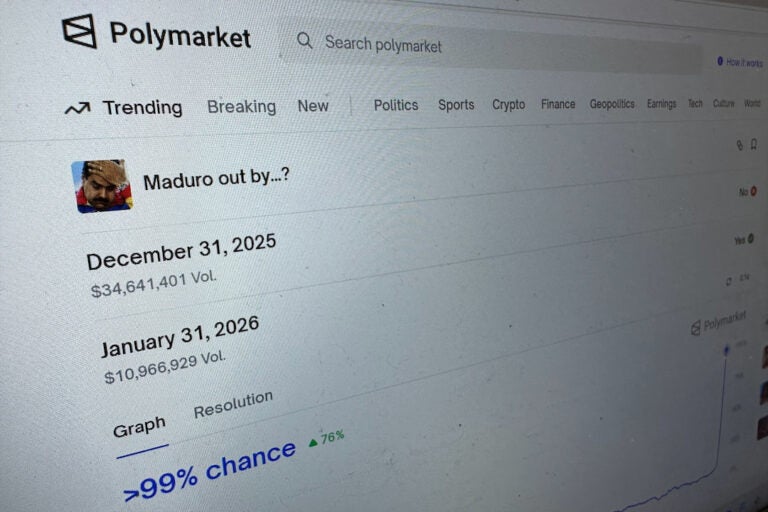
At the heart of the controversy is a single, enormously profitable trade on the cryptocurrency-based prediction platform Polymarket. According to data compiled by analytics firm Bubblemap and highlighted by Democratic Representative Mike Levin, a user with the pseudonym "Magamyman" bought a position when the perceived probability of a US-Israel strike on Iran was just 17%. The first trade was placed a mere 71 minutes before the news of the attack broke publicly. This bet, which wagered that Iran's Supreme Leader Ayatollah Ali Khamenei would be "out of power," netted the anonymous trader more than $500,000 in a single day following the strikes.
This was not an isolated incident. Other users with accounts opened in February 2026—including "Planktonbet," "Dicedicedice," and "nothingeverhappens911"—exclusively placed bets on Iran-related events within the 24-hour window preceding the military action. The timing and specificity of these trades have led lawmakers and regulators to suspect that the individuals involved may have had access to non-public, classified information about the impending operation.
Prediction Markets: Gambling or Financial Innovation?
To understand the scandal, one must grasp the mechanics of prediction markets. Platforms like Polymarket and the US-regulated Kalshi allow users to buy and sell "shares" based on the perceived likelihood of real-world events, from elections to geopolitical conflicts. The price of a share fluctuates like a stock, reflecting the crowd's forecast. Each contract has a settlement date; for example, the Iran strike position was "US will strike Iran by February 28, 2026." While proponents argue these markets aggregate dispersed information to create accurate forecasts, critics see them as little more than sophisticated gambling, especially when the events involve war and death.
A critical distinction lies in regulation. Kalshi, overseen by the Commodity Futures Trading Commission (CFTC), requires user identification and prohibits markets directly tied to death through a "death carveout" policy. Following the Iran strikes, Kalshi reimbursed net losses for users in those violent-event markets. Polymarket, in contrast, operates offshore using cryptocurrency, allows anonymous trading, and officially blocks US users—though investigations have found Americans bypass these restrictions with VPNs. It continued to host markets on questions like "Will the Iran regime fall before 2027?"
Bipartisan Political Backlash and Calls for Regulation
The Iran trades have catalyzed a rare moment of bipartisan agreement in a divided Washington, uniting lawmakers in condemnation and spurring calls for strict regulation or outright bans.
Republican Stance: Gambling, Not Investing
On the right, former Trump administration official Mick Mulvaney launched the "Gambling Is Not Investing" coalition, advocating for prediction markets to be regulated under state-level gambling rules, which include licensing, age restrictions, and taxation. Utah Governor Spencer Cox, whose state prohibits sports betting, has called for an outright ban, stating on social media that "rebranding betting as a financial product doesn't reduce the harm it causes." This view is echoed by former New Jersey Governor Chris Christie, who advises the American Gambling Association and pushes for prediction markets to be regulated like sportsbooks.
Democratic Response: A Threat to Democracy and Security
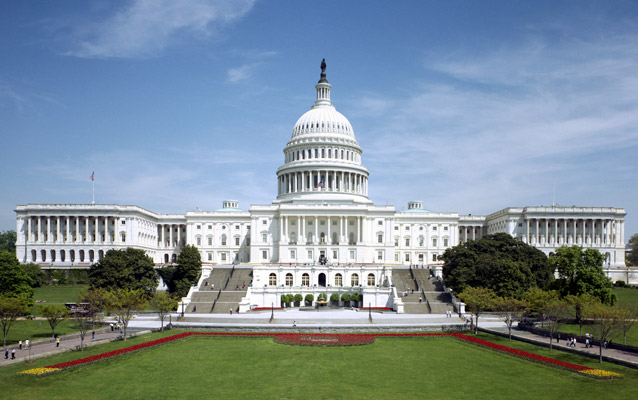
Democratic lawmakers have reacted with alarm, framing the issue as a direct threat to national security and democratic integrity. Senator Chris Murphy called the Polymarket Iran trades "insane" and pledged to introduce legislation "ASAP to ban this." He had already been drafting a bill to ban the industry entirely, arguing it allows insiders, potentially within government, to rig the game. In February 2026, a group of 21 Democratic senators, led by Senator Adam Schiff, sent a letter to the CFTC chairman demanding increased oversight, warning that these products "evade state and tribal consumer protections, generate no public revenue, and undermine sovereign regulatory regimes."
A History of Scrutiny and Political Entanglements
This is not the first time prediction markets have faced scrutiny for suspicious activity. Past incidents include a trader profiting from a bet on the abduction of former Venezuelan President Nicolas Maduro hours before it occurred, and another making $50,000 prior to opposition leader Maria Corina Machado winning the Nobel Peace Prize. Polymarket itself has a contentious history. In November 2024, the FBI raided the home of CEO Shayne Coplan and seized his devices amid an investigation into election betting. The company dismissed it as "political retribution." Internally, Coplan has faced allegations of creating a hostile work environment.
The platforms' regulatory and political landscapes are also complex. In 2022, the CFTC imposed a three-year ban on Polymarket for operating an unregistered facility, later eased only for sports betting. In a surprising turn, the US Department of Justice dropped its investigation into Polymarket in July 2025. A month later, the company received backing from 1789 Capital, a venture firm associated with Donald Trump Jr., who also joined Polymarket's board. Similarly, Trump Jr. joined rival platform Kalshi as a strategic adviser in January 2025, and several former Kalshi staffers have taken roles within the Trump administration.
The Core Ethical Dilemma and Path Forward
The debate transcends typical financial regulation and strikes at a fundamental ethical question. As Ryan Kirkley, CEO of Global Settlement, told Al Jazeera, "The core thesis here is should we be gambling or creating futures markets in our own democracy? Should we be doing this on geopolitics and war?" He argues that while sports betting is for entertainment, speculation on "rule of law, the integrity of democracy, and people's personal safety" is categorically different and potentially destructive.
The path forward is fraught with challenges. Regulating an anonymous, crypto-based, offshore platform like Polymarket is exceptionally difficult. Any effective US legislation would need to target the on-ramps (like cryptocurrency exchanges) or enforce geolocation blocks more stringently. The alternative, as some lawmakers propose, is a blanket ban on contracts related to political violence, assassinations, and armed conflict—a move that would force platforms to choose between operating in the US and hosting such markets.
The anonymous bets placed before the Iran attacks have exposed a dangerous loophole where modern financial technology, anonymity, and geopolitical tension converge. What was intended by some as a tool for harnessing collective wisdom has, in this instance, manifested as a potential vehicle for profiting from advance knowledge of catastrophic violence. The coming legislative battle will not only shape the future of prediction markets but also define where society draws the line between free-market innovation and the protection of democratic and humanitarian values in an increasingly volatile world.