Read on bbc.com
China's Multi-Front Retaliation: Analyzing the Escalating Tensions with Japan Over Taiwan
Following Japanese Prime Minister Sanae Takaichi's comments on Taiwan, China has launched a coordinated campaign of diplomatic, economic, and cultural pressure against Japan. This article examines the wide-ranging retaliatory measures—from recalling pandas and restricting rare earth exports to canceling flights and cultural events—and analyzes why this current standoff represents a significant escalation in Sino-Japanese relations. With Takaichi's strong electoral mandate and China's firm stance on Taiwan as a 'core interest,' observers warn that tensions are unlikely to de-escalate soon, potentially reshaping the regional security landscape.
The diplomatic relationship between China and Japan has entered one of its most tense phases in recent years, triggered by Japanese Prime Minister Sanae Takaichi's November remarks concerning Taiwan. Beijing, which views Taiwan as an inalienable part of its territory, has responded not with a single action but with a sustained, multi-domain pressure campaign designed to compel Tokyo to retract its position. This coordinated retaliation spans diplomacy, military posturing, economic coercion, and cultural exchanges, marking a significant escalation from previous bilateral disputes. The situation underscores how the Taiwan issue remains the most potent flashpoint in East Asian geopolitics, capable of rapidly destabilizing relations between major powers.
The Catalyzing Comments and China's Red Line
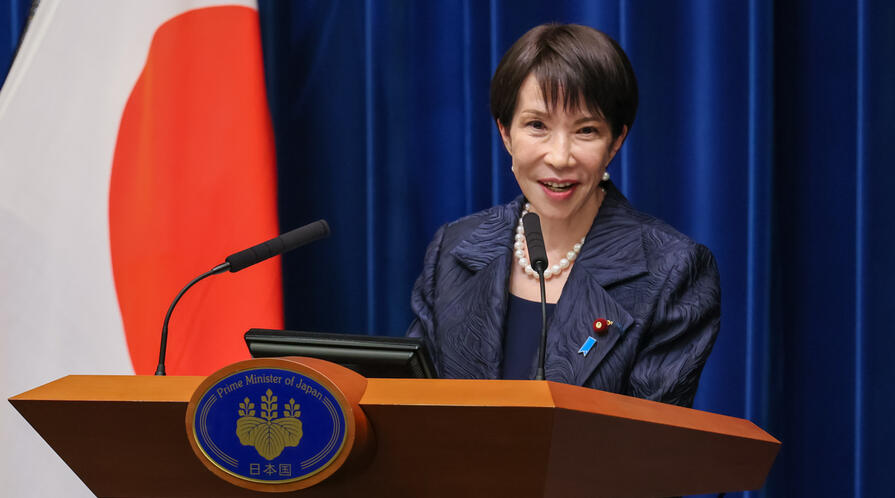
The current crisis began when Prime Minister Takaichi appeared to suggest that Japan would activate its Self-Defence Forces in the event of an attack on Taiwan. While this alignment with the U.S. position on Taiwan's defense is not entirely new in Japanese policy discourse, it was the first time a sitting Japanese prime minister had voiced such a scenario so explicitly. For China, any statement perceived as endorsing Taiwanese independence or external intervention represents an absolute red line. Beijing insists that Taiwan is a purely internal matter of sovereignty. The immediate and furious condemnation from Chinese officials set the stage for the wide-ranging retaliation that followed, with Beijing demanding a formal retraction that Takaichi has steadfastly refused to provide.
A 'Greyzone' Warfare Strategy Against Japan
Analysts describe China's response as a form of "greyzone warfare," a strategy of applying sustained, low-level pressure across multiple fronts to wear down an opponent without triggering a full-scale conflict. Robert Ward of the International Institute for Strategic Studies notes this approach aims to "normalise things that actually are not normal." Unlike previous, more contained spats, the current campaign is notable for its breadth. Diplomatically, China has lodged complaints with the United Nations, postponed a trilateral summit with Japan and South Korea, and attempted to rally international opinion against Tokyo by invoking Japan's World War Two history, as Foreign Minister Wang Yi did at the Munich Security Conference.

Economic and Cultural Pressure Points
Recognizing Japan's vulnerabilities, China has targeted its economy and cultural ties. A significant move has been the restriction of exports for dual-use technologies, including rare earth elements and critical minerals vital to Japanese manufacturing. Tourism, a major economic sector, has been hit hard. Beijing has warned its citizens against traveling to Japan and cancelled 49 flight routes, leading to a notable drop in visitors. Chinese nationals traditionally constitute about a quarter of all foreign tourists to Japan. The cultural sphere has not been spared: Japanese music events in China have been cancelled mid-performance, film releases postponed, and even the popular franchise Pokemon faced criticism over a planned event at the Yasukuni Shrine, which was subsequently cancelled.
The Symbolic Recall of the Pandas
Perhaps the most poignant symbol of the deteriorating relationship was the return of giant pandas Xiao Xiao and Lei Lei from Tokyo's Ueno Zoo to China. For decades, panda diplomacy has been a barometer of Sino-Japanese relations, with the animals serving as ambassadors of goodwill. Their recall, leaving Japan without any Chinese pandas for the first time in decades, sent a clear message of displeasure to the Japanese public, thousands of whom bid tearful goodbyes to the beloved animals. This action, while soft in nature, resonates deeply on a cultural and emotional level.

Military Posturing and the Risk of Escalation
Alongside these measures, China has increased military pressure. Japan has reported Chinese drones and warships operating near its islands, fighter jets "locking radars" on Japanese planes, and confrontations between coast guard vessels near the disputed Senkaku/Diaoyu islands. The seizure of a Chinese fishing vessel by Japanese authorities last week added another layer of tension. Analysts from the Center for Strategic and International Studies (CSIS), Bonny Lin and Kristi Govella, note that while China's military and economic responses have been "relatively limited compared to the past, there is ample room for further escalation." The concern is that a miscalculation in these contested maritime spaces could rapidly escalate the situation.
Domestic Politics and the Stalemate
The domestic political landscape in both countries makes de-escalation difficult. Prime Minister Takaichi views her recent landslide electoral victory as a strong mandate for her stance. Analysts suggest she will use this "political capital" to advance policies that strengthen Japan's defense and economic security, including raising defense spending to 2% of GDP ahead of schedule. Conversely, Beijing perceives Takaichi as a determined leader who may only be strengthened by external pressure. Kiyoteru Tsutsui of Stanford University suggests this creates a stalemate: "This tango will likely continue on for a while." Both sides have limited incentive to back down, suggesting tensions will settle at a higher baseline than before the crisis.
The U.S. Factor and Regional Implications
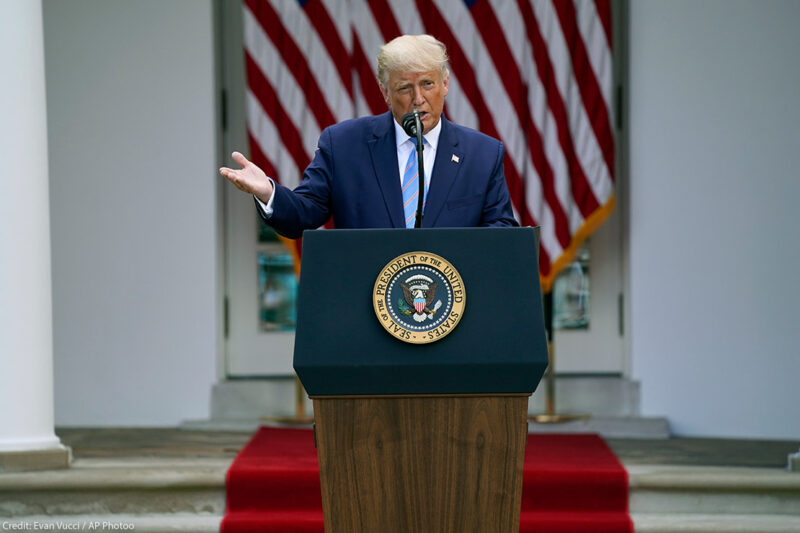
The United States remains the critical wildcard. While President Donald Trump has offered strong support for Takaichi—even issuing a pre-election endorsement—the broader U.S. response to the spat has been described as "muted" by CSIS analysts. This may embolden China. Furthermore, with several high-level meetings scheduled between Trump and Chinese President Xi Jinping, including a state visit to Beijing, Tokyo fears a "grand bargain" that could sideline Japanese interests. In response, Japan is likely to deepen its security cooperation with the U.S. to ensure Washington maintains its commitment to regional stability. The crisis is pushing Japan to shoulder more of its own defense burden and strengthen alliances with other regional partners.
Conclusion: A New Normal in Sino-Japanese Relations
The multifaceted retaliation by China following Takaichi's Taiwan comments signals a new and more confrontational phase in Sino-Japanese relations. The use of coordinated pressure across diplomatic, economic, cultural, and military domains demonstrates Beijing's willingness to employ all tools of statecraft to assert its core interests. For Japan, the strong electoral mandate for Takaichi provides little room for concession. The result is a protracted stalemate with significant implications for regional security, economic integration, and the balance of power in East Asia. As both nations navigate this tense period, the international community will be watching closely, aware that stability in one of the world's most economically vital regions hangs in the balance.