Read on PBS News
Low Expectations as Russia and Ukraine Resume U.S.-Brokered Peace Talks in Geneva
Delegations from Russia and Ukraine have convened in Geneva for another round of U.S.-mediated peace talks, just ahead of the fourth anniversary of the full-scale invasion. Despite the high-level diplomatic effort, expectations for a breakthrough remain minimal, with both sides entrenched on core issues of territorial control and future security guarantees. The talks, involving military chiefs and political envoys, unfold against a backdrop of continued Russian aerial assaults and Ukrainian drone strikes, highlighting the profound challenges of negotiating peace while active warfare persists.
In a significant yet cautious diplomatic move, Russian and Ukrainian officials have gathered in Geneva for a new round of U.S.-brokered peace talks. The meeting, occurring just a week before the somber fourth anniversary of Russia's full-scale invasion of Ukraine, represents a continued international effort to find a path to end the devastating conflict. However, as reported by the Associated Press, the atmosphere is one of tempered realism rather than optimism, with neither delegation showing readiness to compromise on the fundamental issues that have prolonged the war.

The Stalemate on Core Issues
The central obstacle to progress remains the diametrically opposed positions on territory and security. Russia continues to insist that Ukraine formally cede control of the eastern Donbas region, which Moscow has occupied since 2014. Conversely, Kyiv is demanding robust, long-term security guarantees, backed by the United States, to deter any future Russian aggression. This deadlock over land and future safety has proven intractable through nearly four years of warfare and previous negotiation rounds. The United States, acting as mediator, has reportedly set a June deadline for a settlement, adding temporal pressure but not necessarily altering the strategic calculus of the warring parties.
Structure and Participants of the Geneva Talks
The talks are structured over two days, with discussions covering both political and military tracks. The Ukrainian delegation is led by Rustem Umerov, who has publicly stated the agenda includes security and humanitarian issues, while advising his team to work "without excessive expectations." The Russian side is headed by Vladimir Medinsky, a longtime adviser to President Vladimir Putin and a hardline negotiator who has previously authored texts criticizing Ukraine and the West.
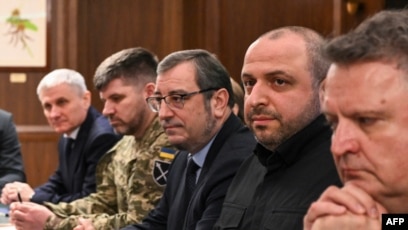
Notably, the U.S. delegation includes President Donald Trump's envoy, Steve Witkoff, and son-in-law Jared Kushner, who presided at the head of the table during the opening session. In a parallel but critical track, American, Russian, and Ukrainian military chiefs are also present in Geneva. Their discussions focus on the technical implementation of any potential agreement, including ceasefire monitoring mechanisms and the establishment of communication channels between militaries—topics previously explored during talks in Abu Dhabi.
The War Continues Amid Diplomacy
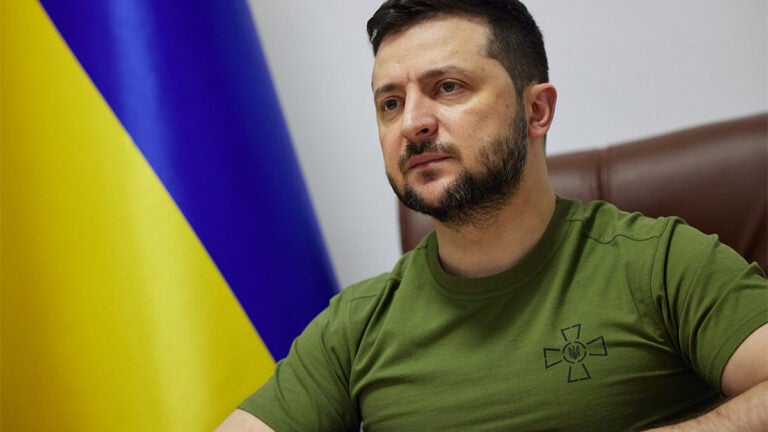
The diplomatic proceedings in neutral Switzerland stand in stark contrast to the relentless violence on the ground in Ukraine. Even as talks began, Russia launched a massive overnight barrage, using nearly 400 long-range drones and 29 missiles to strike a dozen Ukrainian regions. President Volodymyr Zelenskyy reported that these attacks injured nine people, including children, and left tens of thousands in Odesa without heat or water. Zelenskyy has argued that such assaults directly undermine the peace process, making agreements harder to reach.
Simultaneously, Ukraine's Security Service (SBU) has continued long-range drone strikes deep into Russian territory, targeting critical infrastructure like the Tamanneftegaz oil terminal on the Black Sea and the Metafrax Chemicals plant over 1,000 miles from the border. This cycle of attack and counterattack underscores the brutal reality that the war of attrition continues unabated along the 750-mile front line, independent of the diplomatic dialogue.
Political Context and Statements
The talks occur within a complex international political context. U.S. President Donald Trump has described the Geneva meeting as "big talks" and publicly urged Ukraine to "come to the table fast," though the specific impetus for this comment remains unclear. Meanwhile, Kremlin spokesperson Dmitry Peskov has cautioned against expecting immediate developments, emphasizing that talks would continue into a second day. The involvement of high-level U.S. political figures, rather than career diplomats, adds a distinct layer to the negotiations, reflecting the Trump administration's direct engagement in the process.
Conclusion: A Long Road Ahead
The resumption of talks in Geneva is a necessary step in the arduous journey toward ending Europe's largest conflict since World War II. However, the low expectations and entrenched positions indicate that a breakthrough is not imminent. The simultaneous discussions among military leaders are a pragmatic recognition that any political agreement would require a detailed and viable security implementation plan. Ultimately, the path to peace remains fraught with immense challenges, requiring concessions that neither side has yet been willing to make, all while the human and material cost of the war continues to rise daily. The world watches Geneva, hoping for a flicker of diplomatic progress to break the grim stalemate.