Read on nature.com
The AI Revolution in Science: How Technology is Reshaping Fieldwork
A growing trend is emerging in scientific research: the shift from traditional, boots-on-the-ground fieldwork to AI-driven, remote analysis. This audio long read explores how advanced technologies like satellite imagery, drone data, and machine learning algorithms are enabling scientists to conduct ecological and conservation studies from their desks. While this transformation promises unprecedented scale, efficiency, and data-processing power, it raises critical questions about the loss of hands-on experience, the potential for algorithmic bias, and the fundamental connection between researchers and the natural world they study. This article examines the trade-offs of this technological pivot and its long-term implications for scientific discovery.
The romantic image of a scientist trekking through remote wilderness, notebook in hand, is being rapidly redefined. In the age of artificial intelligence, a profound shift is underway as researchers increasingly trade muddy boots for powerful algorithms, conducting their work from computer screens rather than in the field. This transition, driven by technologies like remote sensing and machine learning, is reshaping disciplines from ecology to conservation biology, offering new capabilities while sparking debate about what might be lost when scientists 'rarely get outside.'

The Drivers of the Remote Research Revolution
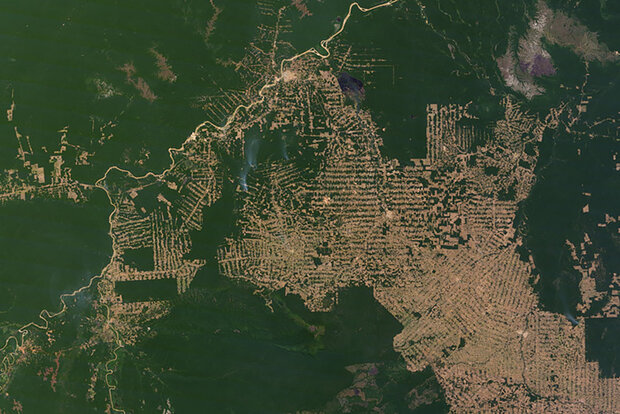
The move away from traditional fieldwork is propelled by several powerful technological forces. High-resolution satellite imagery from providers like Planet Labs and Maxar Technologies now offers a near-real-time, global view of ecosystems. Drones equipped with multispectral sensors can survey vast tracts of land, collecting data on plant health, animal populations, and environmental changes with precision. Concurrently, machine learning algorithms have become adept at analyzing these massive datasets, identifying patterns and making predictions—tasks that would take human researchers years to complete manually. This convergence of tools allows for monitoring at a scale and frequency previously unimaginable, from tracking deforestation in the Amazon to observing glacial retreat in the Arctic, all from a laboratory or home office.
Weighing the Benefits: Scale, Efficiency, and Safety
The advantages of this AI-augmented approach are significant and multifaceted. The most obvious benefit is scale. A single researcher can now monitor an entire continent's worth of data, a feat impossible through physical travel alone. This leads to greater efficiency, reducing the time and substantial financial cost associated with organizing and executing field expeditions. There are also clear safety benefits, removing scientists from potentially hazardous environments—whether dense jungles, politically unstable regions, or extreme climates. Furthermore, AI can process continuous data streams, enabling the detection of subtle, long-term trends that might be missed during periodic field visits. This creates a more comprehensive and persistent understanding of dynamic environmental systems.
The Potential Costs of Disconnection
Despite the clear technological benefits, this shift raises important concerns within the scientific community. A primary worry is the loss of tacit knowledge—the intuitive understanding and contextual insights gained only through direct, sensory experience in an environment. An algorithm might identify a change in vegetation index, but a field ecologist could smell the soil, feel the moisture, and understand the complex interplay of local species. There is also a risk of algorithmic bias, where models trained on existing, potentially incomplete datasets may perpetuate gaps in understanding or overlook novel phenomena. Perhaps most profoundly, there is a philosophical concern about the erosion of the scientist's personal connection to nature, which has historically been a core motivator for many in fields like ecology and conservation biology. As noted in related commentary, maintaining the 'joy of fieldwork' is seen by many as essential for holistic science.
The Path Forward: A Hybrid Model
The future of scientific discovery likely lies not in choosing between AI and fieldwork, but in strategically integrating both. A hybrid model is emerging where remote sensing and AI perform broad-scale surveillance and identify areas of interest or anomaly. These insights then guide targeted, hypothesis-driven field campaigns, making physical expeditions more focused and fruitful. This approach is exemplified by initiatives in places like India, where ecologists are harnessing technology to direct conservation efforts more effectively. The goal is to use AI as a powerful tool for augmentation, not replacement—freeing scientists from mundane data-crunching to focus on complex interpretation, theory-building, and the irreplaceable hands-on investigation that fuels genuine breakthrough understanding.
In conclusion, the age of AI is undeniably transforming scientific practice, offering powerful new ways to observe and understand our world. However, the essence of discovery often lies in the unexpected observation, the sensory detail, and the deep, empathetic connection to a subject. The most robust science of the future will be conducted by researchers who can skillfully wield the computational power of artificial intelligence while never losing touch with the fundamental human impulse to explore, touch, and directly experience the natural world. The challenge is to build a research culture that values both the vast perspective of the satellite and the intimate knowledge of the soil underfoot.