Read on PBS News
Takaichi Seeks to Strengthen U.S.-Japan Ties and Economic Security with Trump
Following her landslide reelection, Japanese Prime Minister Sanae Takaichi has outlined her foreign policy priorities, with a central focus on deepening cooperation with the United States. She aims to strengthen the bilateral relationship with President Donald Trump, particularly in areas of economic security like rare earths development, against a backdrop of rising regional tensions. This article examines Takaichi's strategic goals, her domestic policy agenda, and the challenges she faces as she prepares for a crucial summit in Washington.
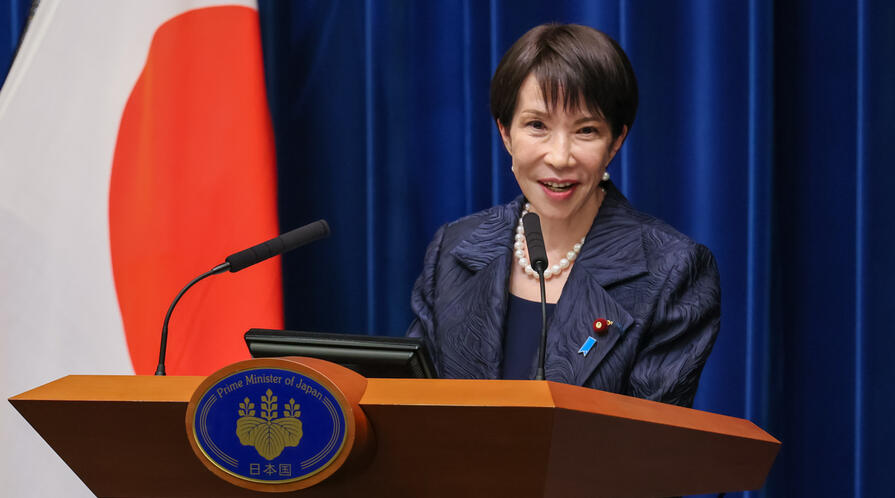
Japanese Prime Minister Sanae Takaichi, freshly empowered by a decisive election victory, has set her sights on fortifying Japan's most critical alliance. In her first major policy address following reappointment, Takaichi expressed a clear intention to "deepen her relationship" with U.S. President Donald Trump and enhance bilateral cooperation, particularly in strategic economic sectors. This move comes at a pivotal time, as geopolitical tensions in East Asia intensify and Japan seeks to secure its economic and military future.
Forging a Stronger U.S.-Japan Partnership
The cornerstone of Takaichi's foreign policy is a reinforced alliance with the United States. She has scheduled a summit with President Trump for March 19 in Washington, where she hopes to "closely cooperate" on initial investment initiatives. This diplomatic push follows Trump's endorsement of Takaichi ahead of the Japanese election and recent announcements of Japanese capital for major U.S. projects, including a natural gas plant in Ohio and a Gulf Coast crude oil export facility. As reported by the Associated Press via PBS NewsHour, Takaichi views this economic collaboration as vital for mutual security and prosperity.
Focus on Economic Security and Rare Earths
A specific area highlighted for enhanced cooperation is the development of rare earths—critical minerals essential for high-tech manufacturing and defense applications. Reducing dependency on China for these resources is a key component of both nations' economic security strategies. Takaichi's emphasis on this sector underscores a strategic pivot towards securing supply chains and fostering technological independence between the allies.
Domestic Agenda: Security and Social Policy
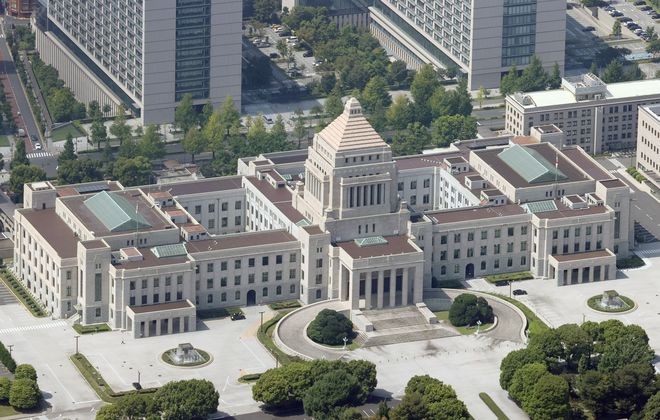
Domestically, Takaichi's government, backed by a two-thirds supermajority in the powerful lower house of parliament, is pursuing an ambitious and conservative agenda. Her stated goals include a significant increase in military spending and capability, a push for more government expenditure to address economic concerns, and the advancement of ultra-conservative social policies.
Bolstering Military and Defense Posture
Takaichi has pledged to revise Japan's security and defense policies by the end of the year. Proposed changes include lifting the ban on lethal weapons exports and considering the development of a nuclear-powered submarine to enhance offensive capabilities. These steps represent a notable shift away from Japan's postwar pacifist principles. She also aims to establish a national security agency to improve intelligence-sharing with allies like the U.S., Australia, and Britain.
Addressing Economic Pressures
Her immediate domestic challenge is tackling rising consumer prices and sluggish wage growth. Takaichi has proposed a two-year sales tax cut on food products to alleviate household costs. However, experts caution that such liberal fiscal policies could risk driving inflation higher and delaying efforts to reduce Japan's substantial national debt.
Navigating Regional Tensions
Takaichi's stance towards China is notably hawkish. Following comments in November suggesting possible Japanese action if China moved militarily against Taiwan, she faced diplomatic and economic reprisals from Beijing. Emboldened by her election mandate, analysts suggest she may take an even firmer line. Furthermore, she has expressed a desire to visit the controversial Yasukuni Shrine, a move that would likely anger neighbors who see it as a symbol of Japan's unrepentant wartime past.
Conclusion: A Pivotal Moment for Japan
Prime Minister Sanae Takaichi's reelection has set Japan on a clear path. Her administration seeks to strengthen the U.S. alliance as a bedrock for economic and military security, while simultaneously pursuing a more assertive defense posture and a conservative domestic agenda. The success of her tenure will hinge on navigating the complex balance between bolstering national security, managing economic pressures, and maintaining stability in a tense regional environment. The upcoming summit with President Trump will be a critical early test of her strategy to deepen this indispensable partnership.