Read on the Guardian
Cuba's Aviation Crisis: Fuel Shortages Trigger Tourist Evacuations and Threaten Economy
Cuba faces a severe aviation crisis as jet fuel shortages, exacerbated by a US-led oil blockade, force the evacuation of thousands of Russian tourists and the cancellation of international flights. The situation threatens to cripple the island's vital tourism industry, with Air Canada suspending services and Russian airlines operating emergency outbound flights. This article examines the causes of the crisis, its immediate impact on travelers and the Cuban economy, and the broader geopolitical tensions at play, including Russia's limited capacity to intervene amidst its own conflicts with the West.
Cuba is confronting a deepening aviation and economic crisis as acute jet fuel shortages, intensified by US efforts to block oil supplies, force the evacuation of foreign tourists and jeopardize a crucial sector of its economy. The situation has escalated rapidly, with international airlines canceling flights and Russia organizing emergency repatriation efforts for its citizens. This unfolding scenario highlights the vulnerability of Cuba's tourism-dependent economy to geopolitical pressures and supply chain disruptions.

The Escalating Fuel Crisis and Its Immediate Impact
Cuban aviation authorities have issued stark warnings that the country is running out of jet fuel. This shortage has immediate and severe consequences for air travel to and from the island. The crisis has been triggered by a concerted US effort to choke off Cuba's oil supplies, a policy move that has effectively created an oil blockade. The last known fuel delivery arrived from Mexico in early January, but those exports were halted under US pressure, severing a key supply line.
Simultaneously, crude oil flows from Venezuela, Cuba's most trusted energy supplier, have dried up following a US operation in January that resulted in the capture of that country's leader, Nicolás Maduro. This dual pressure has left Cuba's aviation sector in a precarious state, unable to refuel aircraft adequately. Several airlines have responded by rerouting planes to refuel at neighboring Caribbean airports, while others have suspended services entirely.
International Response: Flight Cancellations and Tourist Evacuations
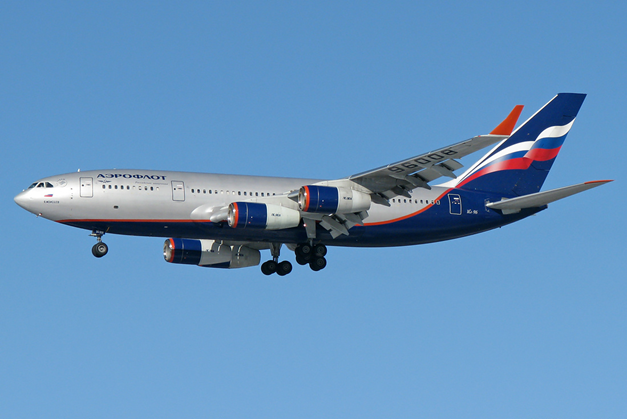
The international aviation community has reacted swiftly to the deteriorating conditions. Air Canada, Canada's flag carrier, announced it would temporarily halt all flights to Cuba due to the fuel crisis. More dramatically, Russia has initiated plans to evacuate its tourists from the island. Russian aviation authorities stated that two airlines serving Cuba would operate outbound-only flights to bring tourists home before suspending their services.
According to Russia's tourism board, approximately 4,000 Russian tourists are currently in Cuba. Many of these individuals are state employees, as Cuba remains one of the few destinations Russian officials are permitted to visit under strict security service travel rules, given the country's status as a longtime Kremlin ally. The tourism board has suspended all future tourist packages to Cuba. In online chat groups, Russians remaining on the island have reported experiencing fuel rationing, cuts to public transport, and in some cases, being moved to lower-grade hotels with more stable electricity supplies.

Geopolitical Tensions and Russia's Limited Capacity to Assist
The crisis unfolds against a backdrop of significant geopolitical strain. The Kremlin has described the fuel situation in Cuba as critical, accusing the United States of attempting to "suffocate" the island and causing many difficulties. Russian Foreign Minister Sergei Lavrov has expressed solidarity with Cuba, stating Moscow is "ready to provide our friends with all necessary support together with other like-minded partners."
However, the practical form this support might take remains unclear. Russia is currently engaged in sensitive negotiations with the Trump administration while its primary political and military focus remains fixed on the war in Ukraine. This leaves the Kremlin with limited appetite for taking steps that could provoke Washington, potentially restricting its ability to offer tangible, large-scale assistance to alleviate Cuba's fuel crisis despite its rhetorical support.
Broader Implications for Cuba's Tourism and Economy
The aviation fuel shortage poses a direct and severe threat to Cuba's tourism industry, a vital component of the national economy. The sector relies heavily on international visitors arriving by air. The cancellation of flights by major carriers like Air Canada and the evacuation of a significant tourist demographic like Russian visitors represent a substantial blow. If the fuel blockade persists, it could lead to a steep decline in tourist arrivals, resulting in lost revenue, unemployment in the hospitality sector, and broader economic hardship.
The situation also affects daily life within Cuba, as reports from the island indicate the fuel shortages are impacting public transport and electricity stability, compounding the challenges for both residents and stranded tourists. The crisis exemplifies how geopolitical strategies can have cascading effects, disrupting not just state-level relations but also the livelihoods of ordinary people and the stability of key economic sectors.
Conclusion: A Precarious Standoff with Global Repercussions
Cuba's aviation fuel crisis is more than a logistical problem; it is a manifestation of intense geopolitical conflict with real-world consequences for travel, trade, and economic stability. The evacuation of Russian tourists and the suspension of flights by international airlines underscore the immediate severity of the situation. While Russia has voiced strong diplomatic support for its ally, its capacity to intervene is constrained by its own geopolitical entanglements. The resolution of this crisis likely depends on a shift in the US stance or the identification of alternative, secure fuel supply routes—neither of which appears imminent. For now, Cuba's tourism industry and the travelers who support it remain caught in the crossfire of a broader international dispute.