Read on bbc.com
UK-China Economic Reset: Key Agreements from Starmer's Beijing Visit
Prime Minister Sir Keir Starmer's landmark visit to China, the first by a UK leader since 2018, has initiated a cautious reset in bilateral economic relations. The trip yielded concrete agreements across several sectors, including a major pharmaceutical investment, reduced tariffs on Scotch whisky, visa-free travel for British citizens, and new partnerships in green technology and finance. This diplomatic engagement aims to thaw the recent 'ice age' in UK-China ties, offering British firms improved market access while providing China a strategic partnership with a key Western ally amidst global trade uncertainties driven by US policy.
Prime Minister Sir Keir Starmer's visit to Beijing this week represents the most significant diplomatic overture between the United Kingdom and China in nearly a decade. As the first UK prime minister to visit since Theresa May in 2018, Starmer's trip signals a deliberate effort to move beyond a period of diplomatic cooling, often described as an "ice age," and forge a new, pragmatic economic partnership. Both nations, facing domestic economic pressures, are seeking to unlock trade and investment opportunities that benefit their respective industries and growth agendas.

Key Commercial Agreements and Outcomes
The visit was structured around tangible commercial outcomes rather than sweeping political declarations. A series of sector-specific agreements were announced, focusing on areas where British expertise aligns with Chinese market needs and strategic priorities.
Major Investment in Pharmaceuticals
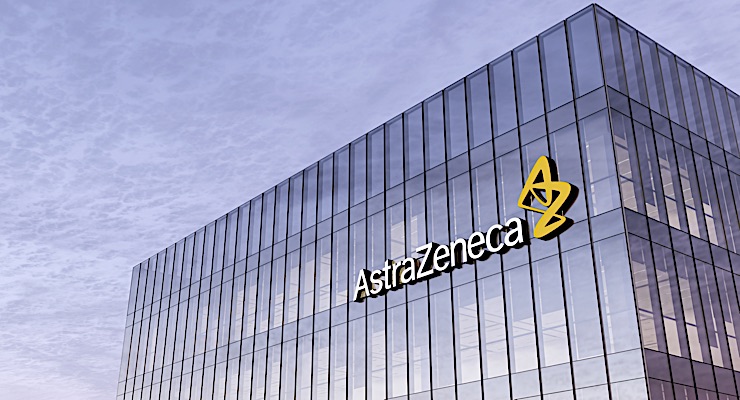
The most substantial commercial announcement came from the British-Swedish pharmaceutical giant AstraZeneca. The company committed to a landmark $15 billion (£11 billion) investment in China over the next four years. This capital will be used to expand research capabilities and manufacturing capacity for medicines, representing the company's single largest investment in the Chinese market to date. This move underscores the long-term strategic importance of China's healthcare sector to global pharmaceutical firms.
Green Technology and Energy Partnership
In the clean energy sector, UK-based Octopus Energy announced its inaugural entry into the Chinese market. The firm is partnering with local company PCG Power to develop a digital platform for electricity trading. This project aims to enhance efficiency within China's power grid and support the nation's ambitious renewable energy targets. For Octopus Energy, a rapidly growing player in the UK, this partnership provides a critical foothold in the world's largest renewable energy market. Greg Jackson, CEO of Octopus Energy, highlighted the mutual benefit, noting China's role in driving down the cost of solar, wind, and battery technologies.
Trade Concessions for Key UK Exports
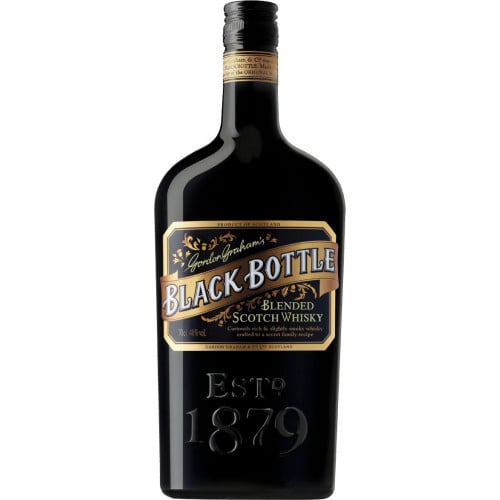
A significant win for UK exporters was China's agreement to halve tariffs on Scotch whisky. The UK government estimates this reduction could generate an additional £250 million for the British economy over the next five years. Sir Keir Starmer hailed the deal as proof that "pragmatic, hard-headed international engagement brings benefits at home," describing Scotland's distilleries as "the jewel in Scotland's crown." With annual exports exceeding £5 billion, Scotch whisky is a cornerstone of the UK's drinks sector, and China has been one of its fastest-growing markets.
Visa-Free Travel and Security Cooperation
On the diplomatic front, China agreed to grant British citizens visa-free travel for stays of up to 30 days for tourism and business, placing the UK in a category with around 50 other nations including France, Germany, and Japan. This measure is expected to facilitate greater people-to-people and business exchanges. Additionally, both sides agreed to cooperate on disrupting migrant-smuggling networks, addressing a key domestic priority for the Starmer government.
Strategic Motivations for Both Nations
The reset serves distinct strategic objectives for both London and Beijing. For the UK, the visit was a high-stakes test for a Labour government that has struggled to deliver promised economic growth. Improving relations with the world's second-largest economy offers a pathway to secure investment, boost exports, and support jobs at home. For China, renewed ties with a major European economy and close US ally like the UK help counter narratives of economic isolation. It signals that China remains a viable and reliable partner for Western economies, particularly as US trade policy under President Donald Trump introduces significant uncertainty into the global trading system.
Ongoing Challenges and the Diplomatic Balancing Act
Despite the progress, significant challenges persist. Foreign businesses, including British firms, continue to cite difficulties operating in China, such as bureaucratic red tape, complex regulations, and a lack of transparency. Furthermore, the UK's diplomatic reset requires careful navigation of its relationship with the United States. President Trump has recently warned allies, including Canada, about deepening commercial ties with Beijing, even threatening punitive tariffs. Sir Keir Starmer has insisted that Britain does not need to choose between Washington and Beijing, framing the China engagement as a pragmatic strategy for domestic growth while managing geopolitical risks.
Sir Keir's visit is part of a broader trend among Western "middle powers"—including France, Canada, and Finland—seeking to diversify trade partnerships and hedge against an unpredictable US trade policy. These nations are actively pursuing access to the Chinese market while competing to attract Chinese investment. The agreements on visas and whisky tariffs, as Starmer noted, are symbolic of rebuilding "mutual trust and respect," which is foundational for any sustained economic relationship.
In conclusion, Sir Keir Starmer's visit to China has successfully initiated a pragmatic economic reset, yielding concrete agreements that provide immediate benefits for key UK industries like pharmaceuticals, energy, and spirits. While challenges related to market access and geopolitical alignment remain, the visit marks a decisive shift from diplomatic frost to engaged dialogue. The success of this reset will ultimately be measured by the ability of British firms to convert improved access into sustained commercial success and by the UK's skill in balancing this relationship with its other critical international alliances.