EU-Egypt Summit: Strengthening Economic Ties and Addressing Regional Challenges
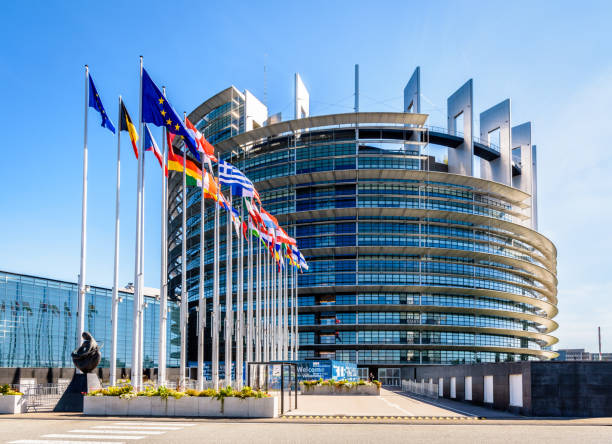
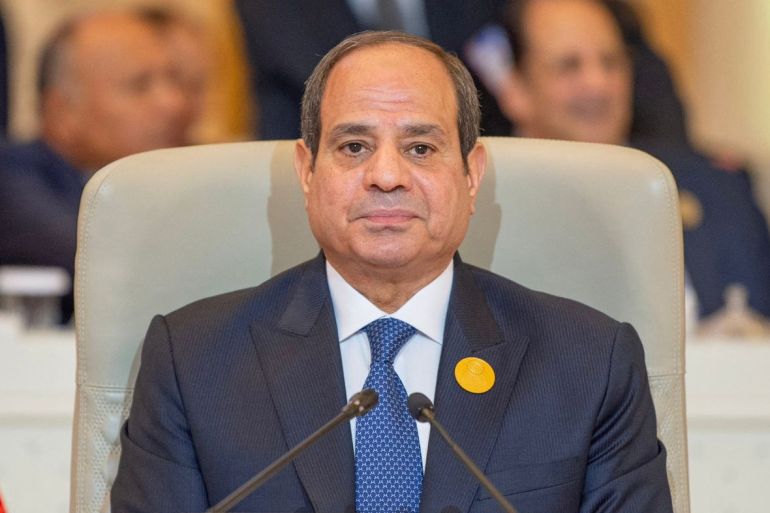
Egypt and the European Union are holding their first-ever summit in Brussels, marking a significant milestone in their bilateral relations. The meeting brings together Egyptian President Abdel-Fattah el-Sissi, European Commission President Ursula von der Leyen, and European Council President António Costa to discuss critical issues including economic cooperation, migration management, and regional stability, particularly in Gaza. This historic summit represents the EU's broader strategy of deepening integration with Mediterranean partners through the Pact for the Mediterranean initiative.
The European Union and Egypt are set to make history with their inaugural summit in Brussels, bringing together top leadership from both sides to address pressing regional and bilateral concerns. This landmark meeting represents a strategic deepening of EU-Egypt relations at a time of significant geopolitical challenges and economic pressures affecting both parties.
Summit Participants and Key Announcements
The summit features high-level participation from both the European Union and Egypt, with Egyptian President Abdel-Fattah el-Sissi meeting European Commission President Ursula von der Leyen and European Council President António Costa. The leaders are expected to announce significant developments in their partnership, including increased European economic assistance to Egypt and Egypt's admission to the EU's Horizons research incubation program. This program represents a substantial 175 billion euro fund supporting scientific research and innovation across various fields from quantum technology to space industry development.
Strategic Context and Regional Challenges
The summit occurs against a backdrop of regional instability and global geopolitical shifts. The 27-nation European bloc has been actively pursuing new trade and security agreements in response to international policy changes, including the combative approaches of U.S. President Donald Trump and export controls from Chinese President Xi Jinping. This meeting forms part of the EU's broader Pact for the Mediterranean strategy, which aims to foster deeper integration with countries ranging from Morocco to Turkey.
Economic Cooperation and Migration Management
Economic ties form a cornerstone of EU-Egypt relations, with the European Union serving as Egypt's largest trading partner. The relationship has been strengthened through substantial financial support, including a 7.4 billion euro aid package announced last year that provided crucial funding through loans, investments, and program-specific support, particularly for migration management. Egypt faces significant economic challenges, including soaring inflation and the economic fallout from regional conflicts, with Houthi attacks on Red Sea shipping routes substantially reducing Suez Canal revenues by diverting traffic around Africa.
Regional Stability and Gaza Conflict
The ongoing situation in Gaza represents a critical concern for both parties. President el-Sissi has characterized the current U.S. Middle East proposal as the "last chance" for peace in the region while reiterating his support for a two-state solution that recognizes Palestinians' right to an independent state. The instability from the Gaza conflict has compounded Egypt's existing economic difficulties, which include impacts from years of government austerity measures, the coronavirus pandemic, and consequences from Russia's invasion of Ukraine.
Migration Pressures and Human Rights Considerations
Migration management remains a shared priority, with both Brussels and Cairo expressing serious concerns about migration flows. Egypt has played a significant role in reducing illegal immigration to Europe by preventing migrant boat launches since 2016, according to statements from President el-Sissi's office. However, human rights organizations have called for the EU to address concerns about Egypt's human rights record, including arbitrary detentions and unfair trials of critics. Meanwhile, Egypt itself hosts approximately 9 million migrants, including 900,000 registered refugees and asylum-seekers with the UN refugee agency, within its population of 116 million people.
The inaugural EU-Egypt summit represents a strategic partnership that addresses multiple interconnected challenges, from economic stability and migration management to regional security concerns. The outcomes of this meeting will likely shape the future trajectory of EU-Mediterranean relations and contribute to addressing the complex web of economic, security, and humanitarian issues affecting both Europe and North Africa.