Ranking NFL Head Coaching Hires Since 2021: From Super Bowl Success to Swift Failures
An analysis of the 37 NFL head coaching hires made between the 2021 and 2025 offseasons, ranked from most to least successful. The evaluation considers on-field performance, playoff success, player development, and organizational impact. Recent Super Bowl coaches Mike Macdonald and Mike Vrabel rank highly for their immediate success, while Detroit's Dan Campbell and Philadelphia's Nick Sirianni top the list for sustained excellence. This ranking reveals patterns in hiring strategies and what separates successful tenures from short-lived failures in the modern NFL.
The NFL's coaching carousel spins with relentless intensity each offseason, with franchises betting their futures on leadership hires they hope will deliver championships. Since 2021, 37 full-time head coaches have been hired, creating a diverse landscape of success stories, disappointments, and everything in between. This analysis ranks all 37 hires based on performance, playoff success, player development, and organizational impact, with particular attention to how quickly the right hire can transform a franchise—as evidenced by the 2025 Super Bowl coaches.

The Evaluation Framework
Ranking coaching hires requires looking beyond win-loss records. While performance and playoff success matter most, this analysis also considers evidence of a coach's tangible impact. Key evaluation factors include fourth-down and late-game management, improvement of inherited players, success with free agent additions, and the performance of drafted players. For offensive-minded coaches, more credit is given when the team thrives offensively rather than being carried by defense. Sustainability of success is also weighted, recognizing that some coaches like Matt Nagy and Adam Gase had promising debut seasons before rapid declines.
Top Tier: The Franchise Transformers
The elite hires have not only won games but fundamentally changed their organizations' trajectories.
1. Dan Campbell, Detroit Lions
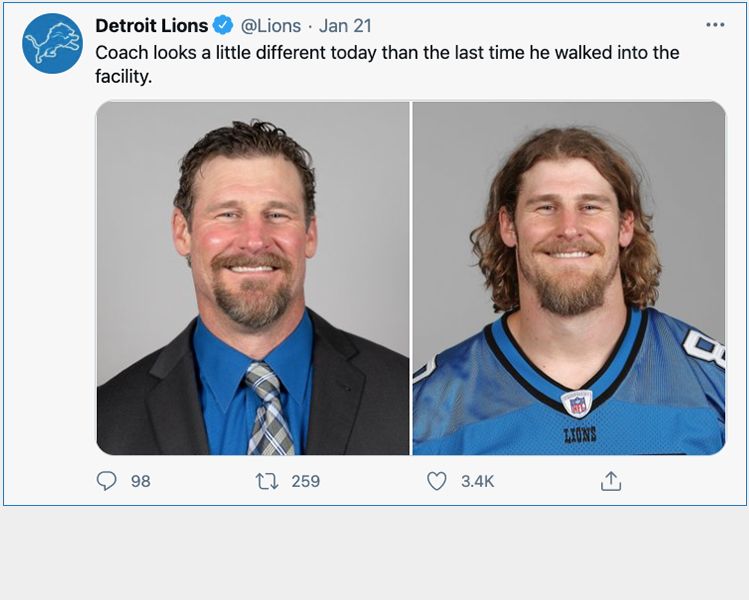
Campbell inherited a team that had gone 14-33-1 under Matt Patricia and hadn't won a playoff game since 1991. Through a complete rebuild that saw only offensive tackle Taylor Decker remain from the inherited roster, Campbell has created one of the NFL's model organizations. His aggressive fourth-down decision-making has been a significant positive, and the Lions came within a drop of the Super Bowl in 2023 before winning 15 games in 2024 despite defensive injuries. Campbell has become the face of the franchise in Detroit, with the Lions now boasting one of football's best rosters.
2. Nick Sirianni, Philadelphia Eagles
Sirianni presents the most complex evaluation case. His résumé is objectively the best of any coach hired in this period—taking over a 4-11-1 team and making the playoffs in all five seasons, with two Super Bowl appearances and one victory. Only the Bills have matched Philadelphia's consistent playoff presence. However, critics point to defensive collapses in 2023 and offensive struggles in 2025 as evidence that credit belongs more to players, GM Howie Roseman, or assistant coaches. Regardless, Sirianni's floor has been nine wins and a playoff appearance, with a ceiling of the Lombardi Trophy.
The Super Bowl Coaches: Immediate Impact
The 2025 Super Bowl provides the clearest example of how quickly the right hire can change a franchise's fortunes.
3. Mike Macdonald, Seattle Seahawks
Macdonald has built one of the league's best defenses in just two seasons, mirroring his success as Baltimore's coordinator. Beyond star cornerback Devon Witherspoon, Macdonald has improved every defensive player, including free agent additions like DeMarcus Lawrence and unheralded players such as Josh Jobe and Drake Thomas. His ability to find the right role for each player is unmatched. After a frustrating offensive first year, the Seahawks made key changes at coordinator and quarterback to reach the Super Bowl in Macdonald's second season.
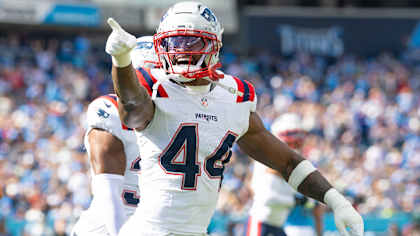
4. Mike Vrabel, New England Patriots
One season, one Super Bowl appearance. Vrabel has quickly stamped his identity on a Patriots team that lacked direction, benefiting from significant free agent additions and an easy schedule but also demonstrating excellent game management. Offensive coordinator Josh McDaniels has molded quarterback Drake Maye into an MVP candidate, while players on both sides have improved in New England's system. Vrabel's defense has been dominant throughout the playoffs.
The Defensive Architects
Several hires have succeeded by building elite defensive units that carry their teams.
5. DeMeco Ryans, Houston Texans
Ryans took over a Texans team that had won three or four games in each of the three prior seasons and has delivered 10-plus wins in all three of his campaigns, with a playoff victory each year. He has built the league's best defense, developing stars like Will Anderson Jr. and Derek Stingley Jr. while improving players at all levels. If Houston can fix its offensive infrastructure around C.J. Stroud, they'll become Super Bowl contenders.
6. Sean Payton, Denver Broncos
Payton has improved Denver's record by an average of three wins each season since being traded for a first-round pick in 2023, culminating in a 2025 division title. While he couldn't salvage Russell Wilson, Payton has built a solid offense around Bo Nix. The Broncos rank second in EPA per play on defense over the past two years, though that credit primarily goes to coordinator Vance Joseph.
The Offensive Innovators
Several offensive-minded coaches have delivered results, though with varying degrees of sustainability.
7. Kevin O'Connell, Minnesota Vikings
O'Connell has produced 13- and 14-win seasons in Minnesota but benefits from remarkable success in close games (25-12 in one-score games over four years). While he deserves credit for building offenses around multiple quarterbacks, the Vikings rank only 18th in EPA per play on offense during his tenure. The driving force has been Brian Flores's defense, not O'Connell's offensive scheme.
8. Ben Johnson, Chicago Bears
The offensive prodigy lived up to expectations in his first season, building one of the league's best run games and refining Caleb Williams's development. Despite some early game management issues, Johnson has Bears fans excited about the future after just one 11-6 campaign.
The Middle Tier: Solid but Unspectacular
Many hires have delivered competent leadership without reaching elite status.
Jim Harbaugh (9th) has continued his winning ways with the Chargers, posting 11-6 records in both seasons despite offensive line injuries, though his teams have suffered ugly wild-card defeats. Dan Quinn (10th) took Washington to the NFC Championship Game in his first season but saw his defense collapse in Year 2. Liam Coen (11th) had a successful 13-4 debut in Jacksonville but struggled with pre-snap penalties and inconsistent quarterback play from Trevor Lawrence.
Todd Bowles (12th) kept Tampa Bay competitive post-Tom Brady but missed the playoffs in 2025 after a 6-2 start. Mike McDaniel (13th) transformed Miami's offense but couldn't overcome quarterback injuries and defensive inconsistencies. Robert Saleh (14th) built elite Jets defenses but was undermined by quarterback disasters from Zach Wilson to Aaron Rodgers.
The Disappointments and Short Tenures
The bottom of the list features hires that failed to deliver or lasted only briefly.
Doug Pederson (15th) started strong in Jacksonville but went 5-18 after Trevor Lawrence's injuries. Shane Steichen (16th) has produced consistently average 8-9 or 9-8 seasons in Indianapolis. Brian Daboll (17th) won a playoff game in his Giants debut but went 11-33 afterward. Dave Canales (18th) has Carolina heading in the right direction but with an offense ranking 26th in points per drive.
The Chargers' Brandon Staley (19th) managed an even record but failed to improve the defense he was hired to fix. Kellen Moore (20th) showed promise in New Orleans despite a 6-11 record. Brian Schottenheimer (21st) handled an impossible situation in Dallas after the Micah Parsons trade.
The Bottom Tier: What Went Wrong
The least successful hires typically featured poor organizational fits or fundamental mismatches with the NFL game.
Arthur Smith (22nd) had creative offensive ideas in Atlanta but never found his quarterback. Dennis Allen (23rd) couldn't meet lofty Saints expectations after Sean Payton. Raheem Morris (24th) saw Atlanta's defense decline during his tenure. Matt Eberflus (25th) had one good defensive half-season in Chicago but struggled with game management.
Jonathan Gannon (26th) never fixed Arizona's defense after three seasons. Jerod Mayo (27th) lasted one season replacing Bill Belichick in New England. Brian Callahan (28th) couldn't develop Cam Ward in Tennessee. Aaron Glenn (29th) saw the Jets collapse after trading their best defensive players.
The Raiders' trio of Antonio Pierce (30th), Pete Carroll (31st), and Josh McDaniels (32nd) all failed to establish consistent success in Las Vegas. Houston's Lovie Smith (33rd) and David Culley (34th) were transitional figures during the Texans' rebuild.
The Clear Failures
Three hires stand out for particularly disastrous tenures.
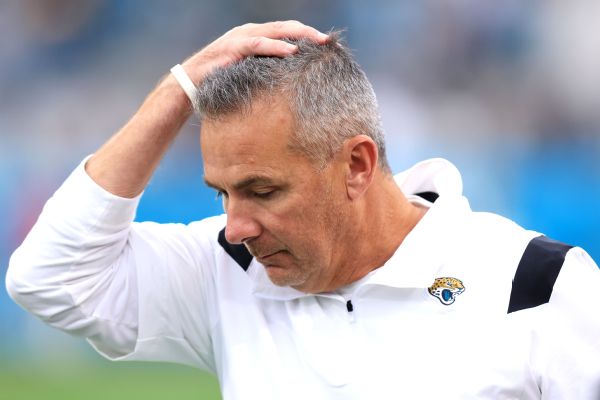
Nathaniel Hackett (35th) was fired before completing his first season in Denver after butchering game management and producing the league's worst offense with Russell Wilson. Frank Reich (36th) lasted only 11 games in Carolina, failing to develop Bryce Young and posting a 1-10 record. Urban Meyer (37th) stands alone for his complete disconnect from NFL reality—feuding with players, abandoning the team plane, setting back Trevor Lawrence's development, and being fired after 13 games amid allegations of player mistreatment.
Key Takeaways and Patterns
Several patterns emerge from analyzing these 37 hires. Defensive-minded coaches like Macdonald, Vrabel, and Ryans have succeeded by building elite units, challenging the league's offensive preference. Sustainability matters—Campbell and Sirianni's multi-year success outweighs single-season surges. Organizational fit is crucial, as seen in Meyer's disastrous Jacksonville tenure versus Campbell's perfect Detroit match.
Game management separates good coaches from great ones, with Campbell's aggression and Vrabel's situational awareness contrasting with Hackett's failures. Player development remains the most reliable indicator of coaching quality, with top-ranked hires consistently improving both inherited players and new additions. Finally, the right hire can produce immediate results, as Macdonald and Vrabel's Super Bowl appearances demonstrate, but lasting success requires building sustainable systems and cultures.
The NFL's coaching landscape continues to evolve, but these rankings provide a clear picture of what works—and what doesn't—when franchises make their most important decisions each offseason.