ICE's Covert Expansion: Why Communities Deserve Transparency
U.S. Immigration and Customs Enforcement (ICE) is undergoing a significant, secretive expansion across American cities, acquiring office spaces through non-standard procedures that bypass public accountability. This article examines the implications of ICE establishing operations near daycares, churches, and businesses, the agency's substantial $75 billion budget, and why transparency is essential for community awareness and democratic oversight. As ICE plans to occupy over 150 locations, understanding this expansion becomes a critical matter of public interest and safety.
The presence of a federal law enforcement agency in a community is a matter of significant public interest, particularly when that agency's operations involve immigration enforcement and detention. Recent investigations have revealed that U.S. Immigration and Customs Enforcement (ICE) is engaged in a substantial, covert expansion across the United States, acquiring office spaces through procedures that deliberately avoid standard public oversight. This expansion raises fundamental questions about transparency, community rights, and the appropriate role of government agencies in residential and commercial areas.
The Scope of ICE's Expansion
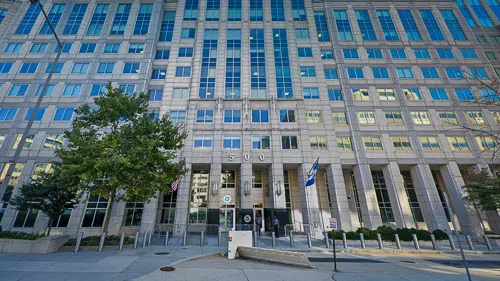
According to documents reviewed by WIRED, ICE has plans to expand into more than 150 office spaces across the United States, with at least 54 specific addresses already identified. This expansion represents a significant increase in the agency's physical footprint, with designs on every major U.S. city. The planned locations are not isolated government compounds but rather integrated into everyday community spaces, sharing hallways and elevator bays with medical offices, small businesses, and other civilian establishments.
What makes this expansion particularly concerning is its proximity to sensitive community institutions. ICE facilities are planned to be situated down the street from daycares, within walking distance of churches and treatment centers, and a modest drive away from warehouses that have been designated to hold thousands of detained individuals. This integration into community spaces represents a departure from traditional government facility placement and raises questions about the impact on local residents and businesses.
The Secrecy of the Acquisition Process
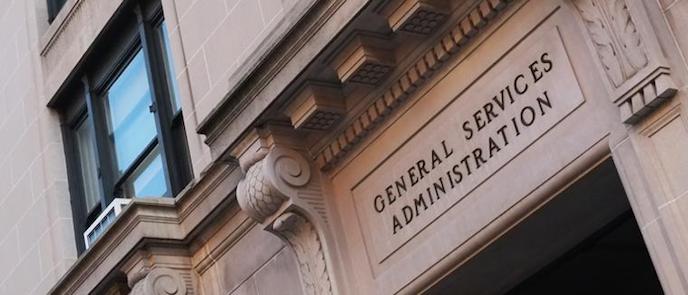
Normally, government leasing of this scale would follow established procedures involving multiple bids, public notifications, renovations of selected spaces, and all the bureaucratic processes that ensure accountability in government spending. However, internal documents indicate that the General Services Administration (GSA), which manages federal government properties, was directed to skip standard operating procedures in favor of speed and discretion. This deliberate bypassing of normal channels suggests the locations and methods of acquisition were intended to remain secret from the public from the outset.
The agency's substantial resources—more than $75 billion at its disposal along with at least 22,000 officers and agents—enable this rapid expansion. The Minneapolis operation, which has already been established, serves not as an anomaly but as a blueprint for how ICE intends to operate in communities across the country. This pattern of expansion without community consultation or transparency represents a significant shift in how federal agencies interact with local populations.
The Importance of Community Awareness
Communities have a fundamental right to know when a federal enforcement agency is establishing operations in their neighborhoods. This knowledge allows residents to understand potential impacts on local safety, community relations, and daily life. When agencies operate in secrecy, they undermine the basic principles of democratic accountability and community engagement that should govern government operations.
The current reporting only fills in part of the puzzle, showing what ICE had planned as of January. More than 100 addresses remain unknown, with some located in high-concentration states like New York and New Jersey. The specific nature of the work being conducted in these offices also remains unclear, as does the duration of ICE's planned presence in each location. This information gap creates uncertainty for communities that may be affected by the agency's operations.

Legal and Journalistic Challenges
The Department of Justice has become increasingly aggressive in its dealings with journalists covering ICE activities, repeatedly claiming that revealing any identifying information about ICE agents or their operations constitutes "doxing." In Minnesota and other locations, ICE and Customs and Border Protection (CBP) agents have reportedly treated observers as enemies, arresting and harassing them with increased frequency. The DOJ has been quick to label any perceived interference with ICE activity as criminal behavior, creating a chilling effect on transparency efforts.
This administrative approach—moving quickly while banking on the inability of courts, lawmakers, and journalists to keep pace—represents a strategic choice to operate with minimal oversight. The urgency of resolving these transparency questions grows as ICE continues what has been described as "metastasizing" across the country, expanding its reach into communities that may be unprepared for the implications of having immigration enforcement operations integrated into their daily environments.
The Practical Value of Transparency
Knowing where ICE plans to establish operations provides communities with crucial preparation time. This advance notice allows local organizations, service providers, and residents to understand what a surge of immigration enforcement might mean for their streets, schools, and businesses. It provides legislators at both local and national levels with insight into the unchecked scope of ICE's expansion, enabling more informed oversight and policy responses.
Perhaps most importantly, transparency signals to the administration that it cannot act with impunity or total secrecy. Public awareness creates accountability pressure that can influence how agencies operate within communities. While knowing where ICE is setting up shop doesn't equate to stopping what critics describe as a "campaign of cruelty and violence," it does provide communities with the basic information needed to respond appropriately to the agency's presence.
Conclusion: A Fundamental Right to Know
The expansion of ICE across American communities through secretive acquisition processes represents a significant challenge to government transparency and community rights. When federal agencies establish operations near daycares, churches, and businesses without public knowledge or consultation, they undermine the basic social contract between government and citizens. The substantial resources at ICE's disposal—$75 billion and thousands of agents—make this expansion particularly consequential for communities across the country.
As the agency continues to expand into more than 150 locations, with many addresses still unknown, the need for transparency becomes increasingly urgent. Communities deserve to know who their neighbors are, especially when those neighbors represent a substantial federal enforcement presence. This knowledge isn't about interfering with legitimate law enforcement activities but about ensuring that government operations respect the rights and interests of the communities they affect. In a democratic society, secrecy in government expansion should raise red flags, and the public's right to know remains a fundamental principle worth defending.