Read on France 24
New Epstein Files Release: Justice Department Discloses 3 Million Pages Amid Political Pressure
The U.S. Justice Department has released over three million pages of documents, photos, and videos from its Jeffrey Epstein investigative files, resuming disclosures mandated by the Epstein Files Transparency Act. This latest release adds fuel to a political drama involving former presidents and high-profile figures, while raising questions about transparency and the protection of victims' identities. The documents confirm previously known associations but are heavily redacted to shield victims, leaving conspiracy theories about a potential cover-up largely unaddressed.
The U.S. Justice Department's release of a massive new cache of documents related to the Jeffrey Epstein case marks a significant, if controversial, step in a long-running effort to provide transparency into the government's investigation of the convicted sex offender. Announced on January 30, 2026, this disclosure of over three million pages, along with photos and videos, is conducted under the Epstein Files Transparency Act (EFTA), a law designed to reveal what authorities knew about Epstein's sexual abuse of young girls. The release occurs amid intense political scrutiny and public fascination, putting renewed pressure on figures like former President Donald Trump.

The Scope and Content of the Latest Release
Deputy Attorney General Todd Blanche stated that the latest document dump includes previously unseen material from the investigation into Epstein, who died in a New York jail in 2019 while awaiting trial for sex trafficking. A critical condition of this release is the extensive redaction applied to protect victims. Blanche emphasized that all images of women, except those of convicted accomplice Ghislaine Maxwell, have been redacted from the documents. This painstaking process, which involves shielding the identities of Epstein's more than 1,000 victims, was cited as the reason the Justice Department missed the EFTA's original December 19 deadline for full disclosure.
Notable Documents and Missing Pieces
While this release adds millions of pages to the public record, significant documents reportedly remain withheld. According to reports from Axios, these include a draft 60-count federal indictment of Epstein that was inexplicably quashed and an 82-page prosecution memo from 2007. The most significant documents published in prior releases are two FBI emails from July 2019 that mention 10 "co-conspirators" of Epstein. However, the names within these emails are redacted, and to date, only Ghislaine Maxwell has been charged in connection with his crimes. She is currently serving a 20-year prison sentence for recruiting underage girls.

Political Figures and High-Profile Associations
The documents continue to shed light on Epstein's extensive network of powerful associates. Previous releases have detailed his ties to leading business executives, celebrities, academics, and politicians, including former Presidents Donald Trump and Bill Clinton. The newly released files confirm that Trump was once close to Epstein, moving in the same social circles in New York and Florida. A January 2020 note from New York federal prosecutors investigating Maxwell indicated Trump flew on Epstein's private jet eight times between 1993 and 1996.
Reactions from Involved Parties
The political fallout is immediate and pronounced. The Justice Department itself issued a statement cautioning that some documents "contain untrue and sensationalist claims made against President Trump." Trump, who fought for months to prevent the release, has criticized the file dumps, expressing concern for the reputations of people who "innocently met" Epstein. A spokesman for Bill Clinton has urged the Justice Department to release all materials related to the former president, stating, "Someone or something is being protected. We do not know whom, what or why. But we do know this: We need no such protection." A Republican-led House panel has also voted to launch contempt of Congress proceedings against Bill and Hillary Clinton over their refusal to testify in an Epstein probe.
Transparency, Redaction, and Public Skepticism
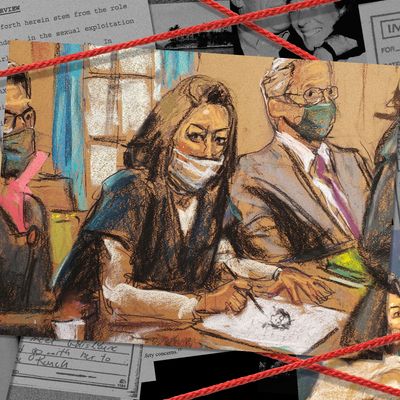
The EFTA was intended to provide a definitive account and silence conspiracy theories about a high-level cover-up. However, the execution of the release has arguably had the opposite effect. The "sweeping redactions" across the documents, combined with the tight control exercised by the Trump administration over the release process, have fueled public and media skepticism. The heavy blackouts, while legally and ethically necessary to protect victims, make it difficult for the public to assess the full scope of evidence or the nature of associations detailed within the files. This lack of clarity ensures that questions about what the government knew and when it knew it will persist.
Conclusion and Lasting Implications
The release of three million new pages from the Epstein files is a monumental event driven by legislation, but its impact is muddied by politics and necessary privacy protections. It confirms known associations of powerful figures with a convicted sex offender but offers few new legal revelations due to extensive redactions. The process highlights the tension between the public's right to know and the imperative to protect victims of horrific crimes. Ultimately, while the EFTA has forced a new level of disclosure, it has not provided the conclusive transparency many sought, leaving the Epstein case as a potent symbol of wealth, power, impunity, and enduring mystery in the American justice system.