Read on PBS News
Tense Judiciary Hearing: Bondi Spars with Lawmakers Over Epstein Files and Minnesota Shootings
Attorney General Pam Bondi's appearance before the House Judiciary Committee on February 11, 2026, descended into repeated confrontations as lawmakers pressed her on two major controversies: the Justice Department's handling of newly released Jeffrey Epstein documents and the fatal shootings of two U.S. citizens by federal immigration officers in Minnesota. The hearing, marked by shouting matches and procedural disputes, provided few concrete answers while Epstein survivors watched from the gallery. This analysis examines the key exchanges, the substantive issues raised, and the political dynamics that defined this contentious oversight session.
The House Judiciary Committee hearing on February 11, 2026, transformed from a routine oversight session into a spectacle of political theater and unresolved accountability. Attorney General Pam Bondi, facing her first congressional grilling since the release of millions of additional Jeffrey Epstein-related documents, engaged in heated exchanges with Democratic lawmakers, deflected questions, and left critical inquiries about departmental conduct largely unanswered. The tense atmosphere was compounded by the presence of Epstein survivors in the hearing room, a visual reminder of the high stakes surrounding the Justice Department's transparency and victim protection efforts.
The Epstein Files Controversy Takes Center Stage
Lawmakers from both parties focused intensely on the Department of Justice's management of the Epstein case files. Representatives expressed outrage over what they characterized as dangerously inadequate redactions that potentially exposed survivors to retaliation and harassment. Democratic Congressman Jamie Raskin of Maryland delivered a particularly sharp rebuke, stating, "As attorney general, you're siding with the perpetrators and you're ignoring the victims. That will be your legacy unless you act quickly to change course." This accusation framed the hearing's central conflict: whether the DOJ under Bondi was prioritizing the protection of powerful individuals named in the documents over the safety and justice for Epstein's victims.
Selective Redactions and Unanswered Questions
A specific point of contention involved the redaction and subsequent restoration of retail CEO Les Wexner's name in documents where he was listed as a co-conspirator. Republican Congressman Thomas Massie of Kentucky challenged Bondi directly, noting the name was restored "within 40 minutes of me catching you red-handed." Bondi defended the department's actions, calling it "one redaction out over 4,700" and criticizing what she perceived as politically motivated attacks. Despite the back-and-forth, Bondi provided no clear explanation for the initial redaction or detailed the DOJ's criteria for withholding names, leaving lawmakers and the public without a substantive understanding of the process.

The Minnesota Shootings and Immigration Enforcement
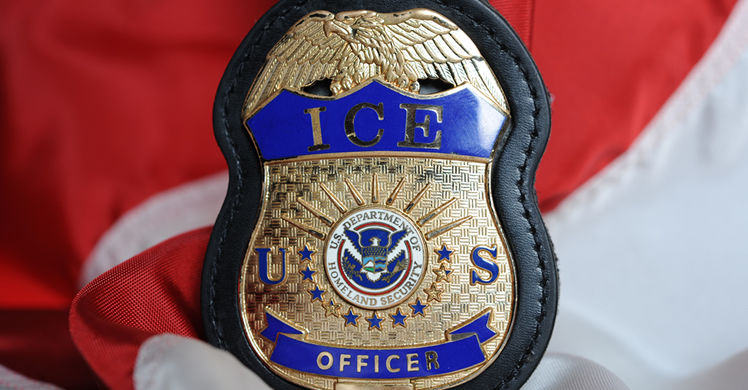
Beyond the Epstein scandal, the hearing addressed the fatal shootings of two U.S. citizens in Minnesota by federal immigration officers. Democratic Congressman Steve Cohen of Tennessee accused Immigration and Customs Enforcement (ICE) of running "rampant" and labeled the killings an "execution." He further criticized the DOJ for not investigating the officers involved while allegedly investigating the victims' families. Bondi's responses did not address these specific allegations in detail, instead maintaining a broader defense of the department's enforcement priorities. This line of questioning highlighted ongoing tensions between the executive branch's immigration enforcement strategies and congressional oversight regarding accountability for use of force.
A Defensive Posture and Political Theater
Throughout the hearing, Bondi adopted a consistently defensive and combative posture. She frequently interrupted lawmakers, accused them of "theatrics," and redirected questions toward her predecessor, Merrick Garland. In one notable exchange with Democratic Congresswoman Pramila Jayapal of Washington, Bondi refused a direct request to apologize to the Epstein survivors present for the DOJ's handling of the file releases. The attorney general also made several overtly political statements, praising former President Donald Trump as "the greatest president in American history" and alleging that a congressman suffered from "Trump derangement syndrome." These comments reinforced the perception of a hearing deeply colored by partisan divisions rather than focused solely on departmental oversight.

Republican Support and Shifting DOJ Priorities
While Democrats pressed for accountability, Republican committee members offered strong support for Bondi's tenure. Republican Congressman Jim Jordan of Ohio contrasted her leadership with previous administrations, stating, "What a difference a year makes. Under Attorney General Bondi, the DOJ has returned to its core missions, upholding the rule of law, going after the bad guys and keeping Americans safe." Bondi outlined her focus on combating fraud and announced the upcoming role of a new Assistant Attorney General for National Fraud, a position that would report directly to the President. This signaled a continued shift in the department's operational emphasis under her leadership, aligning closely with the political agenda of the Trump administration.
Conclusion: A Hearing Without Resolution
The Judiciary Committee hearing concluded without providing the clarity or accountability sought by lawmakers, the public, and the Epstein survivors in attendance. The exchanges, though dramatic, yielded more heat than light on the fundamental issues of DOJ transparency, victim protection, and enforcement accountability. The session ultimately underscored the deep political fissures influencing oversight of the Justice Department and left critical questions about the Epstein files and the Minnesota shootings unresolved. As the gavel fell, the hearing adjourned not with answers, but with the stark realization that these controversies would continue to fuel political and legal battles in the months ahead.