Read on Global News
U.S. Announces Reopening of Venezuelan Airspace, Signaling Diplomatic Shift
In a significant policy reversal, President Donald Trump announced on January 29, 2026, that the United States would reopen all commercial airspace over Venezuela. The directive, issued to Transportation Secretary Sean Duffy and military leaders, aims to allow American citizens to visit the country 'very shortly' and safely. This move follows the U.S. military raid that ousted former President Nicolás Maduro and represents a key step in the administration's phased approach to potentially restoring diplomatic relations, including resuming operations at the shuttered U.S. Embassy in Caracas.
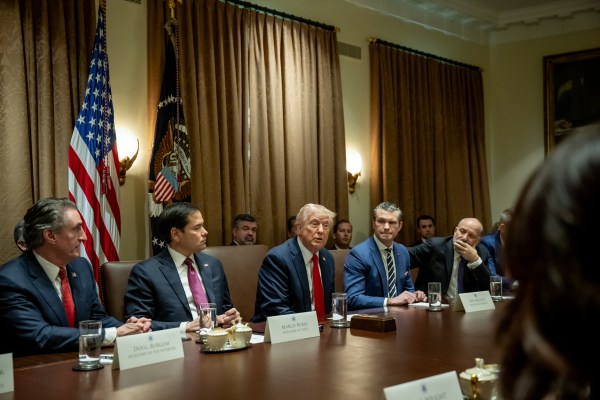
In a notable development in U.S.-Venezuela relations, President Donald Trump announced a significant shift in policy on January 29, 2026. During a cabinet meeting at the White House, the President declared his administration's intention to reopen all commercial airspace over Venezuela, a move that reverses restrictions imposed just months earlier. This decision signals a potential thaw in the long-strained diplomatic relationship between the two nations, following the U.S. military intervention that removed former President Nicolás Maduro from power.
The Announcement and Immediate Implications
President Trump stated he had personally instructed U.S. Transportation Secretary Sean Duffy and U.S. military leaders to execute the reopening of Venezuelan airspace by the end of the day on Thursday. "American citizens will be very shortly able to go to Venezuela, and they'll be safe there," the Republican president assured during his announcement. This directive represents a concrete step toward normalizing travel and commerce between the two countries, which had been severely restricted for years.
The Venezuelan government, now led by acting President Delcy Rodríguez, did not immediately issue a public comment regarding Trump's announcement. The lack of immediate response suggests the complexity of the diplomatic negotiations occurring behind the scenes as both nations navigate this new phase in their relationship.
Context: From Raid to Reopening
This policy reversal comes just weeks after the U.S. military raid that ousted then-President Nicolás Maduro. In November 2025, as Trump was increasing pressure on Maduro's government, he had declared the airspace "above and surrounding" Venezuela to be "closed in its entirety." Following that declaration, the U.S. Federal Aviation Administration (FAA) issued warnings to pilots about heightened military activity in the region, prompting international airlines to cancel flights to Venezuela.
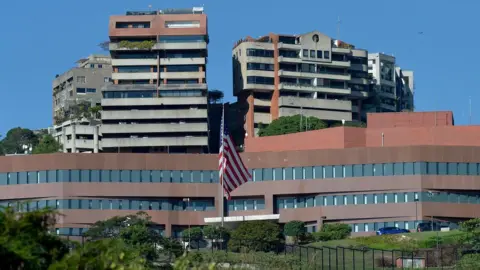
The current move toward reopening aligns with broader efforts to restore diplomatic relations. Earlier in the same week, the Trump administration notified Congress that it was taking initial steps to potentially reopen the shuttered U.S. Embassy in Caracas. In notices to lawmakers, the State Department outlined a "phased approach to potentially resume Embassy Caracas operations" and indicated it was sending temporary staff to conduct select diplomatic functions.
Airline Response and Travel Advisory Status
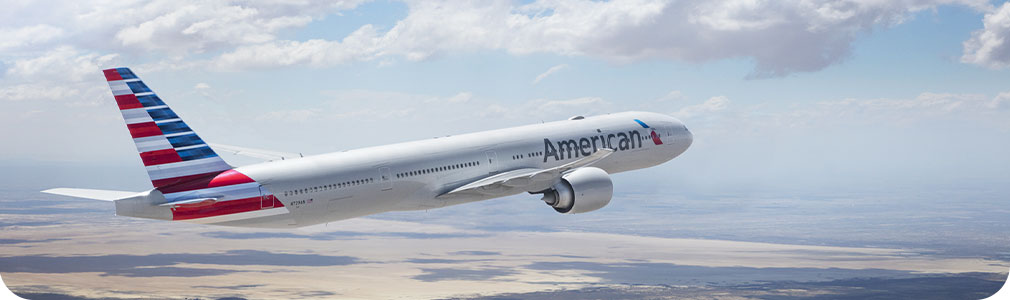
American Airlines, which had been the last U.S. carrier serving Venezuela before suspending flights in March 2019, responded swiftly to the announcement. The airline stated its intention to reinstate nonstop service to Venezuela from the United States in the coming months. "We have a more than 30-year history connecting Venezolanos to the U.S., and we are ready to renew that incredible relationship," said Nat Pieper, American's chief commercial officer.
Despite the airspace reopening announcement, the U.S. State Department's travel advisory for Venezuela remained at its highest level—"Do not travel"—as of Thursday. The advisory warns Americans of risks including wrongful detention, torture, and kidnapping. The State Department did not immediately clarify whether this warning would be revised following the airspace reopening, highlighting the cautious approach the administration is taking despite the positive announcement.
Diplomatic Relations: A History of Collapse and Potential Restoration
Diplomatic relations between the United States and Venezuela collapsed in 2019 amid political turmoil and recognition disputes. The U.S. had recognized opposition leader Juan Guaidó as Venezuela's legitimate president while continuing to pressure Maduro's government through sanctions and other measures. The recent military intervention and subsequent policy shifts represent the most significant developments in this strained relationship in years.
The State Department's notification to Congress emphasized a measured, phased approach to potentially resuming embassy operations. This careful strategy suggests the administration is aware of the complexities involved in fully restoring diplomatic ties while ensuring the safety of American personnel and citizens.
Conclusion: A Strategic Shift with Cautious Optimism
The decision to reopen Venezuelan airspace represents more than just a transportation policy change—it signals a strategic shift in U.S. foreign policy toward Venezuela following the removal of Maduro. While the announcement promises renewed connectivity between the two nations and potential economic opportunities, it comes with acknowledged risks as evidenced by the unchanged State Department travel advisory.
The coming months will reveal whether this move leads to fuller restoration of diplomatic relations, including the reopening of the U.S. Embassy in Caracas. For now, the airspace reopening stands as a tangible symbol of changing dynamics in a relationship that has been defined by conflict for nearly a decade, offering cautious optimism for improved bilateral relations while recognizing the significant challenges that remain.