Read on France 24
Iran Rejects "Excessive" US Demands as Nuclear Talks Resume
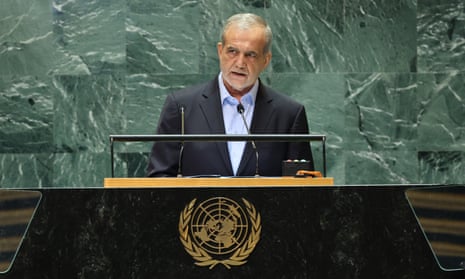
Iranian President Masoud Pezeshkian has stated that Iran will not yield to "excessive" demands from the United States as the two nations resume negotiations over Iran's nuclear program. The talks, which restarted last week, are already facing a fundamental disagreement: Iran insists discussions remain strictly on its nuclear activities, while the U.S. seeks to broaden the agenda to include Iran's ballistic missile program and regional activities. This stance was delivered during a major national anniversary, highlighting the domestic political context surrounding the delicate diplomatic engagement.
Diplomatic efforts to address Iran's nuclear program have resumed, but a significant rift has emerged at the outset. Iranian President Masoud Pezeshkian has firmly declared that Iran "will not yield to excessive demands" from the United States, setting a defiant tone for the renewed negotiations. The talks, which restarted last week for the first time since the regional conflict in June, are immediately complicated by conflicting priorities. While Tehran demands a narrow focus on its nuclear activities, Washington is pushing for a broader agenda that includes Iran's ballistic missile capabilities and its support for militant groups across the Middle East.
The Core Disagreement: Scope of Negotiations
The central obstacle to progress is the fundamental disagreement over what the talks should cover. Iran's position, as articulated by President Pezeshkian, is that the negotiations must remain "centred purely on its nuclear programme." He has reiterated that Iran's nuclear ambitions are peaceful and expressed readiness for "any verification" of this claim. Conversely, the United States views the nuclear program as inseparable from other security concerns. U.S. officials, along with Western allies and Israel, believe Iran is seeking to develop nuclear weapons capability, and they argue that a durable agreement must also address the missiles that could deliver such weapons and the regional proxy networks Iran supports.
Domestic and Regional Context
President Pezeshkian's remarks were delivered during a speech at Tehran's Azadi Square marking the 47th anniversary of Iran's 1979 Islamic Revolution. This setting is highly symbolic, underscoring the domestic political pressures facing the Iranian leadership. The anniversary rallies, featuring displays of support for Supreme Leader Ayatollah Ali Khamenei, are a staple of the Islamic Republic's political calendar. The decision to couple a firm negotiating stance with this nationalistic event signals an intent to demonstrate strength and resolve to both a domestic audience and the international community. The resumption of talks follows a period of heightened tension, including U.S. military strikes on Iranian nuclear sites during the war with Israel last June, which Pezeshkian referenced as "aggression."

Prospects for Diplomacy
The path forward for these negotiations appears fraught with difficulty. The divergent starting positions suggest a challenging diplomatic process ahead. Iran's insistence on a limited scope clashes directly with the U.S. strategy for a comprehensive deal. Furthermore, the regional security landscape remains volatile, and domestic unrest within Iran, including a major protest movement and crackdown last month, adds another layer of complexity. For any agreement to be viable, it will likely require significant diplomatic creativity to bridge the gap between Iran's demand for a focused nuclear deal and the U.S. insistence on addressing broader security threats. The coming weeks will test whether both sides can find a formula that addresses their core concerns without either party feeling it has capitulated to "excessive" demands.