Read on bbc.com
Kevin Warsh as Fed Chair: Analyzing Trump's Pick for US Central Bank Leadership
President Donald Trump's selection of Kevin Warsh to lead the Federal Reserve has sparked debate about the future direction of US monetary policy. Warsh, a conservative economist with traditional credentials, faces questions about whether he will align with Trump's preference for lower interest rates or maintain the Fed's independence. This analysis examines Warsh's background, his potential impact on interest rates and bank regulation, and the broader implications for the US economy as the Fed prepares for this leadership transition.
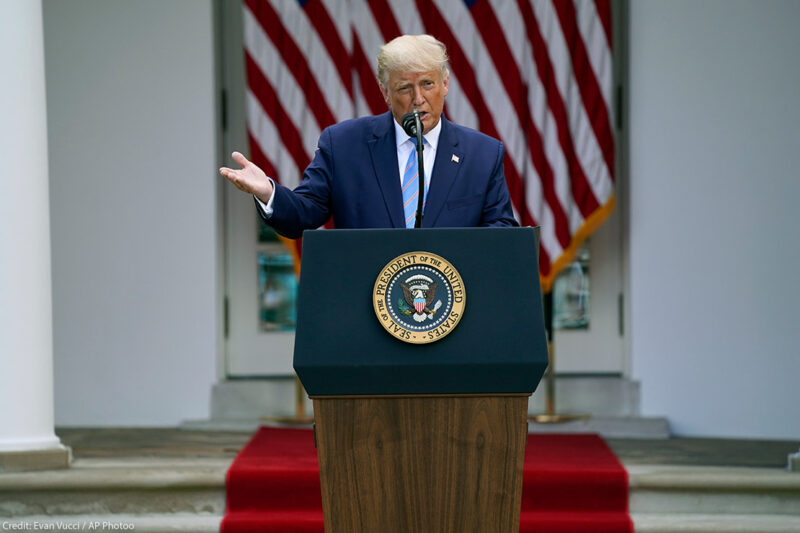
The announcement that President Donald Trump has selected Kevin Warsh to lead the Federal Reserve has ignited significant discussion about the future direction of US monetary policy. With Jerome Powell's term ending in May, this appointment represents a potential shift in how America's central bank will navigate economic challenges. The choice is particularly notable given Warsh's reputation as a conservative economist who has historically supported higher interest rates—a position seemingly at odds with Trump's self-described identity as a "low interest rate guy." This analysis explores what Warsh's leadership might mean for the Federal Reserve's independence, interest rate policy, and regulatory approach.

Background and Qualifications
Kevin Warsh brings a traditional establishment background to the position, with credentials that include an Ivy League education, prior experience at the Federal Reserve, time on Wall Street, and affiliation with the Hoover Institution—a conservative economic think tank. His professional trajectory reflects the conventional path for central bank leadership, which has provided some reassurance to financial markets concerned about potential radical changes at the Fed. According to BBC reporting, Warsh's supporters emphasize his sensitivity to concerns about the Fed's independence and his awareness of the risks when central bank policies serve short-term political objectives rather than long-term economic stability.
Lee Ohanian, an economics professor at UCLA and senior fellow at the Hoover Institution who has known Warsh for years, commented that taking directions from Trump "would diminish the Fed. It would diminish the office of the chairman, and it would create tremendous turmoil in the financial markets. Kevin knows that." This perspective suggests that Warsh understands the importance of maintaining the Federal Reserve's credibility as an independent institution, even while serving as a presidential appointee.

Interest Rate Policy Implications
The most immediate question surrounding Warsh's potential leadership concerns interest rates. Trump has repeatedly criticized Jerome Powell for not cutting rates quickly enough, creating expectations that his Fed chair pick would be aligned with this preference. However, Warsh has built his reputation as someone who favors higher interest rates to control inflation—a position he has attempted to moderate in recent opinion articles and media appearances.
Financial markets initially reacted to the announcement with gold prices dropping and the dollar gaining, suggesting that traders see Warsh as likely to maintain his initial instincts as a "hawk" who prefers higher interest rates. Yet there is also recognition that the Fed cut interest rates three times last year, and most analysts expect additional cuts this year regardless of Trump's preferences. This creates a complex dynamic where Warsh may not need to surrender his credibility as an independent economist to deliver lower interest rates, as market conditions might naturally lead in that direction.
Regulatory Philosophy and "Mission Creep"
Beyond interest rates, significant differences may emerge in the Fed's regulatory approach and broader responsibilities. Warsh has accused the Federal Reserve of "mission creep"—taking on too expansive a role in the economy—and wants to reduce its involvement in bank regulation while cutting back studies on issues like climate change. This aligns with the White House's preference for a more limited central bank role.
Warsh, like Treasury Secretary Scott Bessent, is a fierce critic of the interventions the Fed made in markets after the 2008 financial crisis and during the COVID-19 pandemic. These actions left the bank with substantial holdings of Treasuries and mortgage-backed securities. Warsh maintains these policies disproportionately benefit wealthy individuals and large financial interests rather than the mainstream economy. He has called for reducing these holdings and coordinating their management more closely with the Treasury Department, though whether he would accelerate this process remains uncertain.
Political Considerations and Independence
The nomination has drawn mixed reactions across political and financial circles. Establishment figures including former Secretary of State Condoleezza Rice and prominent economist Mohamed el-Erian have praised the selection, while some critics question whether Warsh's connection to Trump—through his father-in-law Ronald Lauder, a Trump donor and friend—influenced the appointment. Others point to Warsh's record during the 2008 financial crisis, when he opposed economic stimulus measures due to inflation concerns—a minority position at the time.
Congressman Don Beyer, a Democrat from Virginia, accused Warsh of showing "willingness to wildly alter his views...based on who is in the White House." However, many in financial circles view him as a responsible choice compared to other potential candidates. Wells Fargo analysts noted that "there appears to be at least some degree of comfort with a Warsh-led Fed vs. the other choices," while acknowledging uncertainty due to his limited public profile in recent years.
Conclusion: Balancing Act Ahead
Kevin Warsh's nomination represents a delicate balancing act between presidential preferences and central bank independence. His traditional background provides reassurance to financial markets, while his criticism of Fed "mission creep" aligns with Trump's desire for a more limited central bank role. The critical question remains whether Warsh will maintain the Fed's independence in setting interest rates or align more closely with the president's preferences.
Narayana Kocherlakota, a finance professor at the University of Rochester who served on the Fed with Warsh, expressed confidence in his independence: "He's very smart and he's very independent. And I think that's the kind of person that Americans should want at the head of their central bank." However, others like Thierry Wizman, global foreign exchange and rates strategist at Macquarie Group, argue that "Warsh is not the Fed's guy, he is Trump's guy, and has shadowed Trump on monetary policy almost every step of the way since 2009."
As the confirmation process unfolds, Warsh faces the challenge of demonstrating both his qualifications and his commitment to the Federal Reserve's independence. Trump's previous reversal on Jerome Powell—whom he initially appointed before becoming one of his strongest critics—serves as a reminder that presidential support for Fed chairs can be conditional and subject to change based on policy disagreements. The coming months will reveal whether Warsh can navigate these complex dynamics while maintaining the credibility and stability of America's central banking system.