Overwhelmed Courts: The Habeas Corpus Crisis in US Immigration Detention
A surge in habeas corpus petitions from immigration detainees is pushing the US federal court system to its breaking point. Following the Trump administration's Operation Metro Surge and policy changes eliminating bond hearings, attorneys have filed thousands of petitions challenging detention. In Minnesota alone, nearly as many habeas petitions were filed in recent months as typically occur nationwide in an entire year. This unprecedented volume has overwhelmed judges, immigration attorneys, and federal prosecutors, creating what one chief judge calls an 'administrative judicial emergency' while detainees remain in custody, often far from home.
The United States federal court system is facing an unprecedented crisis as habeas corpus petitions from immigration detainees flood courtrooms across the country. This surge, driven by recent policy changes and increased detention rates, has created what legal experts describe as a system in collapse, with judges, attorneys, and federal prosecutors struggling to manage the overwhelming caseload while detainees' constitutional rights hang in the balance.

The Minnesota Case Study: Operation Metro Surge
Since Operation Metro Surge began in December, federal immigration agents have arrested approximately 4,000 people in Minnesota alone, according to Department of Homeland Security data. This enforcement action has triggered an avalanche of legal challenges, with attorneys filing nearly as many habeas corpus petitions in Minnesota's federal district court as were typically filed across the entire United States during an entire year prior to these policy changes.
The situation has created extraordinary pressure on all participants in the legal system. Immigration attorney Graham Ojala-Barbour, who has practiced for over a decade, describes the overwhelming nature of the caseload: "I've never said the word habeas so many times in my life." The exhaustion extends to federal prosecutors as well, with one former special assistant US attorney, Julie Le, telling a judge she was listed on 88 cases and begging to be held in contempt so she could finally rest.
Policy Changes Driving the Crisis
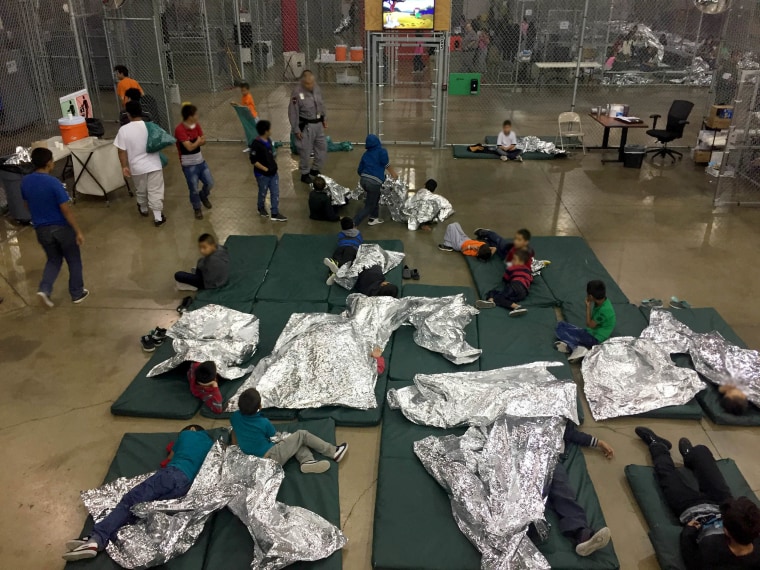
Two key Trump administration policies have converged to create this judicial emergency. First, there has been a dramatic increase in the number of people being detained by Immigration and Customs Enforcement (ICE). Current data shows over 70,000 people in detention as of late January, compared to less than 15,000 toward the end of the Biden administration.
Second, and perhaps more significantly, the administration has implemented a new interpretation of the Immigration and Nationality Act that departs from decades of established case law. This interpretation expands the categories of people being detained without parole and eliminates the previously standard practice of bond hearings before immigration judges. Previously, undocumented immigrants who had been living in the country for several years typically received bond hearings where judges weighed factors like criminal history and flight risk before making release decisions while cases were pending.
Systemic Consequences and Human Impact
The consequences of this overwhelmed system extend beyond courtroom logistics to fundamental constitutional rights. When US attorneys become overloaded with cases, they may fail to ensure government compliance with court orders, including orders to release petitioners and return them to their home states. This failure can mean people remain in detention longer than legally justified, despite judicial rulings in their favor.
Judge Jerry Blackwell highlighted the gravity of this situation during a February hearing, stating, "When court orders are not followed, it's not just the Court's authority that's at issue. It is the rights of individuals in custody and the integrity of the constitutional system itself."
National Scope of the Crisis
While Minnesota provides a particularly stark example, the habeas petition crisis extends nationwide. In the western district court of Texas, at least 774 petitions were filed in January alone, while the Middle District of Georgia saw 186 petitions that same month. ProPublica reports that across the country, there have been over 18,000 habeas cases filed since January 2025.
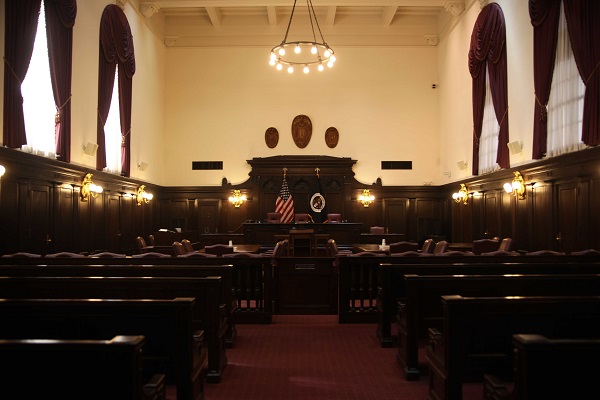
The Fifth Circuit Court of Appeals' February 6 ruling in favor of the Trump administration's new legal interpretation may further complicate detainees' paths to bond hearings, particularly since the majority of detainees are currently held in Texas facilities where this ruling applies. Despite this, hundreds of cases in other jurisdictions have resulted in rulings against the government's new position.
Legal System Under Strain
The volume of cases has revealed systemic weaknesses in how the legal system handles sudden surges. Attorneys like Julie Le described inadequate onboarding and training processes, working for a month without proper employee badges or email access, and being added to cases before being admitted to practice in their jurisdictions. These administrative failures compound the substantive legal challenges of the habeas petition crisis.
As the chief judge for the Middle District of Georgia has noted, the situation represents an "administrative judicial emergency" that threatens the proper functioning of the federal court system. With key personnel leaving overwhelmed offices and new attorneys being added to hundreds of cases monthly, the system shows signs of strain that may have lasting implications for immigration justice and constitutional protections.