Read on France 24
US Immigration Chiefs Face Congressional Scrutiny Over Trump Deportation Drive
The heads of major US immigration enforcement agencies were subjected to intense questioning in Congress this week, defending the Trump administration's expansive deportation operations. Lawmakers pressed officials on the policy's implementation and raised concerns following the fatal shootings of two protesters in Minneapolis, signaling heightened oversight of immigration enforcement tactics.
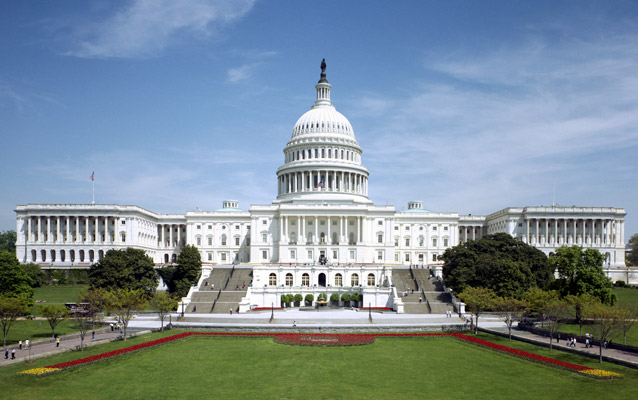
The leaders of US immigration enforcement found themselves in the congressional hot seat this Tuesday, facing a barrage of criticism from lawmakers. The hearing marked a significant moment of accountability, as agency heads were compelled to defend the sweeping deportation initiatives championed by President Donald Trump's administration while addressing grave concerns over recent violent incidents linked to protest activity.
Congressional Grilling Over Mass Deportation Policy
At the heart of the congressional inquiry was the defense of what has been characterized as a mass deportation drive. Agency officials, including the leadership of Immigration and Customs Enforcement (ICE), were tasked with justifying the scale and methods of these operations. Lawmakers expressed deep skepticism, questioning the human impact, legal boundaries, and overall strategy of a policy that has led to a marked increase in immigration enforcement actions across the country. The hearing served as a platform for legislators to challenge the administration's narrative and demand greater transparency.
Questions on Fatal Minneapolis Protest Shootings
A particularly tense line of questioning emerged regarding the fatal shootings of two individuals during protests in Minneapolis. While the direct connection to federal immigration agencies was not explicitly detailed in the available report from France 24, lawmakers seized the opportunity to scrutinize the broader climate and potential overreach of federal law enforcement. The incidents in Minneapolis added a layer of urgency to the proceedings, with congressmembers linking public safety concerns to the conduct and accountability of federal agencies.
A "Reckoning" for Immigration Enforcement
The hearing was framed by some observers as "the start of a reckoning," indicating a potential shift in congressional oversight. For years, immigration enforcement agencies have operated with significant latitude. This session signaled that lawmakers are now prepared to exercise more rigorous scrutiny, examining not just the outcomes of policies but their execution and consequences on the ground. The aggressive questioning suggests a contentious road ahead for the administration's immigration agenda as it faces sustained examination from a co-equal branch of government.
Implications for Policy and Oversight
The congressional scrutiny has immediate and future implications. Firstly, it places political pressure on the agencies, potentially influencing their operational discretion. Secondly, it informs the public debate, putting a spotlight on practices that often occur away from mainstream attention. Finally, it sets a precedent for future hearings, establishing that agency heads can expect detailed and critical questioning regarding enforcement actions and their alignment with both law and public sentiment. This development underscores the ongoing tension between executive action and legislative oversight in shaping US immigration policy.
In conclusion, the congressional hearing represents a pivotal moment of accountability for US immigration enforcement. The combination of defending a controversial mass deportation policy and addressing deadly protest violence created a perfect storm of criticism. As the administration continues its enforcement push, it is clear that Congress intends to play a more active and confrontational oversight role. The "reckoning" referenced may well continue, shaping the political and operational landscape of immigration in America for the foreseeable future.