 Read on cbsnews.com
Assessing the Potential for U.S. Military Action Against Iran
Recent reports indicate that while the U.S. military is prepared for potential strikes on Iran, President Trump has not yet made a final decision. The situation remains fluid as the administration weighs the risks of escalation against the consequences of restraint. This analysis examines the current military posture, diplomatic efforts, and the complex geopolitical calculations involved in this high-stakes scenario.
The possibility of U.S. military action against Iran has emerged as a critical geopolitical flashpoint, with recent discussions revealing a prepared military posture but an undecided political leadership. According to sources familiar with sensitive national security discussions, top officials have informed President Trump that the military is ready for potential strikes, with a timeline that could extend beyond the immediate weekend. However, the final decision on whether to authorize such action remains pending, highlighting the complex calculations at play.

Current Military Posture and Preparations
The Pentagon has initiated precautionary movements of personnel and assets in the Middle East region. Over a three-day period, some personnel are being temporarily relocated to Europe or back to the United States. This standard practice ahead of potential U.S. military activity is designed to mitigate risks from potential counterattacks by Iran should an operation proceed. It is important to note, as one source emphasized to CBS News, that such movements do not necessarily signal an imminent attack but are part of standard operational planning.
The U.S. naval presence in the region is already significant. The USS Abraham Lincoln aircraft carrier group and its accompanying warships are positioned in the area. Furthermore, a second carrier group, the USS Gerald Ford, was en route to the Middle East, having been tracked off the coast of West Africa as of Wednesday. This substantial naval power projection underscores the seriousness with which the U.S. is approaching the situation.

Diplomatic Channels and Political Calculations
Despite the military readiness, the administration continues to emphasize diplomacy as the preferred path. White House Press Secretary Karoline Leavitt stated that while there are "many reasons and arguments that one could make for a strike against Iran," diplomacy remains the president's first option. This sentiment was echoed in the context of ongoing nuclear talks. Iranian and American negotiators held mediated discussions in Geneva, Switzerland, which lasted several hours. The Trump administration acknowledged some progress but also noted significant remaining gaps, with Leavitt stating, "We're still very far apart on some issues."
The diplomatic landscape is further complicated by U.S. alliances. Secretary of State Marco Rubio is scheduled to visit Israeli Prime Minister Benjamin Netanyahu for further discussions in about two weeks. This follows a reported conversation at Mar-a-Lago in December, where President Trump told Netanyahu he would support Israeli strikes on Iran's ballistic missile program if a nuclear deal between Washington and Tehran could not be reached. The coordination, or potential lack thereof, with allies like Israel adds another layer of complexity to the decision-making process.
Regional Tensions and Iranian Posture
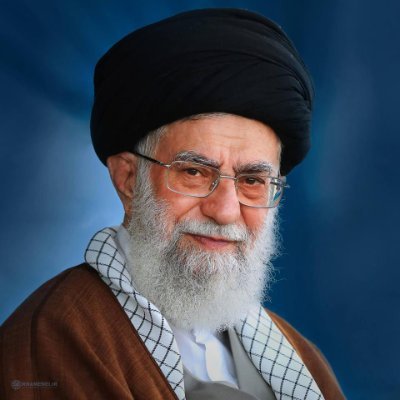
Iran has responded to the heightened U.S. military presence with its own demonstrations of capability and defiance. Iran's Supreme Leader Ayatollah Ali Khamenei posted an AI-generated image on social media platform X depicting the USS Gerald Ford at the bottom of the ocean. Accompanying the post was a message stating, "more dangerous than that warship is the weapon that can send that warship to the bottom of the sea." This rhetoric aligns with Iran's longstanding position of preparedness to defend itself, as reiterated by its foreign minister during the nuclear talks.
The context for current tensions is rooted in recent history. Last June, the U.S. joined Israel in strikes on Iran's nuclear facilities during a conflict, which intelligence assessments suggested caused severe damage to Iran's nuclear program. Prior to that conflict, Iran had significantly ramped up its uranium enrichment activities following the U.S. withdrawal from the 2015 nuclear deal, reaching enrichment levels of up to 60% purity—a short technical step from weapons-grade levels.
Conclusion: A Fluid and High-Stakes Decision
The decision on whether to strike Iran sits at the intersection of military capability, diplomatic maneuvering, and profound risk assessment. The conversations within the White House are described as fluid and ongoing, as officials weigh the risks of escalation against the political and military consequences of restraint. With personnel movements underway, carrier groups positioned, and diplomatic talks continuing, all elements are in motion. However, the ultimate choice rests on a final presidential decision that has not yet been made. The coming days and weeks will be critical in determining whether the path forward leads to de-escalation through diplomacy or a significant military confrontation with far-reaching implications for regional and global stability.