The Hebron Model: Israel's Occupation Strategy and Its Implications for the West Bank
The Palestinian city of Hebron serves as a critical case study in Israel's occupation strategy. Through the establishment of zones of control and the insertion of hundreds of settlers among the Palestinian population, Hebron has been physically and administratively carved up. This model, widely condemned internationally, is now viewed as a potential blueprint for wider annexation plans across the occupied West Bank, raising significant concerns about the future of Palestinian territories and the viability of a two-state solution.
The city of Hebron in the occupied West Bank stands as a stark and enduring symbol of the Israeli-Palestinian conflict. More than just a flashpoint, it represents a deliberate and systematic model of occupation that has reshaped the urban landscape and daily life for its inhabitants. Israel's strategy here has involved carving the city into distinct zones of control and strategically inserting hundreds of Israeli settlers into its heart, creating a tense and fragmented reality. As reported by Al Jazeera, this "Hebron model" is now being scrutinized as a potential template for broader annexation plans across the West Bank, making its analysis crucial for understanding the trajectory of the occupation.

Deconstructing the Hebron Model
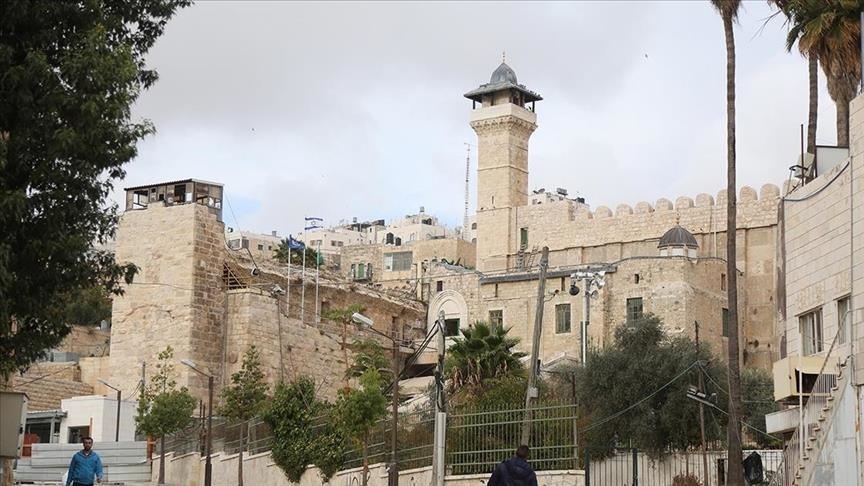
The core of Israel's strategy in Hebron is the physical and administrative division of the city. This is not a simple separation but a complex system of control that permeates daily existence. The city has been segmented into zones, primarily H1 and H2, following the Oslo Accords. H1, comprising about 80% of the city, falls under the nominal control of the Palestinian Authority. H2, which includes the historic Old City and the Ibrahimi Mosque (Cave of the Patriarchs), remains under full Israeli military control. It is within H2 that the most intense implementation of the occupation model is visible.
Settler Insertion and Demographic Engineering
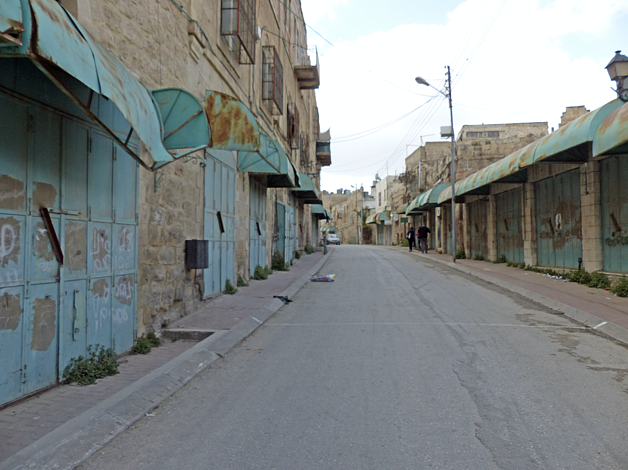
A central pillar of the Hebron model is the deliberate insertion of a relatively small but highly fortified population of Israeli settlers directly into the midst of a major Palestinian urban center. Several hundred settlers live in compact, heavily guarded enclaves within the heart of Hebron, notably in the Avraham Avinu and Beit Hadassah settlements. Their presence is protected by a significant and permanent deployment of Israeli military forces. This creates a reality where a minority population, backed by state power, exerts disproportionate control over the city's core, restricting the movement, commerce, and development of the Palestinian majority. Streets are closed, checkpoints are ubiquitous, and Palestinian homes and shops in close proximity to settlements are often sealed or abandoned due to severe restrictions.
Implications for the Wider West Bank
The significance of Hebron extends far beyond its municipal boundaries. Analysts and reports, such as the one from Al Jazeera, suggest that the strategies perfected here could be replicated elsewhere. The model demonstrates a method for asserting permanent Israeli control over strategically or religiously significant areas within Palestinian population centers without formally annexing entire cities. This involves creating facts on the ground through settlement expansion, land confiscation, and the establishment of separate legal and infrastructural systems for settlers and Palestinians.
If applied more broadly, this approach could effectively cantonize the West Bank, breaking Palestinian territory into disconnected enclaves and undermining the geographic continuity necessary for a viable Palestinian state. The infrastructure of control—checkpoints, segregated roads, and military zones—tested in Hebron provides a blueprint for managing a long-term, integrated occupation where Israeli settlements are deeply embedded within Palestinian areas.
International Condemnation and Legal Challenges
The Hebron model has drawn widespread international condemnation. Many countries and human rights organizations view the settlements as illegal under international law, citing the Fourth Geneva Convention, which prohibits an occupying power from transferring parts of its own civilian population into the territory it occupies. The situation in Hebron is frequently cited in reports by organizations like Human Rights Watch and B'Tselem as an example of a discriminatory regime that violates the rights of Palestinians to freedom of movement, residence, and property. The fragmentation of the city and the severe restrictions on Palestinian life are seen not merely as security measures but as tools of demographic and political control aimed at cementing Israeli dominance.
Conclusion: A Precarious Blueprint
Hebron is more than a city under occupation; it is a laboratory for a specific type of control. The model of carving zones and inserting settlers has created a reality of separation, tension, and inequality that is difficult to reverse. Its potential application across the West Bank represents one of the most significant threats to the prospect of a two-state solution and a just resolution to the conflict. Understanding the mechanics and consequences of the Hebron model is essential for grasping the current dynamics of the Israeli occupation and the formidable challenges facing any future peace process. The city stands as a warning of how sustained occupation can reshape geography, demography, and human rights, setting a dangerous precedent for the entire region.