Read on the Guardian
Global Condemnation of Jimmy Lai's Conviction in Hong Kong
The conviction of 78-year-old British citizen and pro-democracy media tycoon Jimmy Lai on national security charges in Hong Kong has drawn sharp international condemnation. Governments including the UK, EU, Australia, and the US have denounced the verdict as a politically motivated attack on freedom of expression and a significant blow to Hong Kong's democratic institutions. Lai, the founder of the now-closed Apple Daily newspaper, faces life imprisonment under laws critics say are being used to silence dissent, raising profound concerns about the erosion of press freedom and judicial independence in the territory.
The conviction of Jimmy Lai, the 78-year-old British citizen and former pro-democracy media magnate, by a Hong Kong court has ignited a firestorm of international criticism. Governments and human rights organizations worldwide view the verdict not merely as a legal judgment but as a pivotal moment signaling the accelerated erosion of fundamental freedoms in the former British colony. The case, prosecuted under Hong Kong's stringent national security law and a colonial-era sedition statute, has become a global flashpoint, testing diplomatic relations and highlighting the precarious state of press freedom under Beijing's tightened control.
The Charges and the Verdict
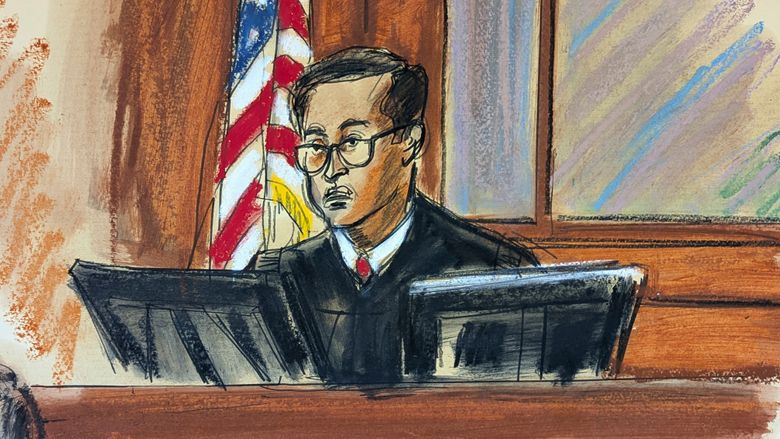
On Monday, the West Kowloon district court found Jimmy Lai guilty of one count of conspiracy to publish seditious publications and two counts of conspiracy to commit foreign collusion. The charges stem from his role as the founder of Apple Daily, a once-popular pro-democracy newspaper forced to shut down in 2021. The prosecution's case, detailed in an 855-page judgment, alleged that Lai used his media outlet and political connections, particularly in the United States, to lobby for foreign sanctions against China and Hong Kong following the 2019-2020 pro-democracy protests. Notably, a significant portion of the evidence cited by the court pertained to actions and communications that occurred before the national security law came into effect in June 2020, a point of contention given the legal principle against retroactivity.
International Reaction and Diplomatic Fallout
The global response to the conviction has been swift and severe, framing it as a politically motivated assault on basic rights. UK Foreign Secretary Yvette Cooper led the condemnation, stating the UK "condemns the politically motivated prosecution of Jimmy Lai" and calling for his immediate release. The UK government subsequently summoned the Chinese ambassador to London, a significant diplomatic rebuke. The European Union declared the outcome "emblematic of the erosion of democracy and fundamental freedoms in Hong Kong," while the Australian government expressed being "deeply concerned." From the United States, Secretary of State Marco Rubio called for Lai's release, and former President Donald Trump publicly stated he had asked Chinese leader Xi Jinping to consider the same.

A Symbol of Press Freedom Under Threat
Jimmy Lai's case has transcended the individual to become a potent symbol. Human rights groups argue his prosecution is a direct attack on journalistic independence. Sarah Brooks of Amnesty International described the conviction as "the death knell for press freedom in Hong Kong," warning that the national security laws are tools for silencing dissent rather than protecting citizens. Thibaut Bruttin of Reporters Without Borders labeled the conviction "unlawful" and evidence of the "alarming deterioration of media freedom." For many observers, the shuttering of Apple Daily and the imprisonment of its founder represent the culmination of a systematic campaign to eliminate critical voices and reshape Hong Kong's civic landscape.
Health Concerns and Calls for Action
Amid the legal and political drama, grave concerns persist over Jimmy Lai's deteriorating health. A diabetic, Lai has reportedly lost approximately 10 kilograms over the past year while spending over 1,800 days in solitary confinement. His family has reported alarming symptoms, including discolored and falling nails, rotting teeth, and heart palpitations that once delayed court proceedings. Foreign Secretary Cooper and Lai's international legal team have urgently called for independent medical access. His son, Sebastien Lai, emphasized that his father "could have left at any point" but chose to stay and fight, framing his potential death in prison as symbolic of Hong Kong's own demise.
Conclusion: A Defining Moment for Hong Kong
The conviction of Jimmy Lai marks a defining and dark chapter for Hong Kong. It demonstrates the expansive and severe application of national security legislation to curb political expression and journalistic critique. While the Chinese government has rebuked foreign comments as interference in its internal affairs, the unified international condemnation underscores a profound divergence in values concerning rule of law and human rights. The case leaves a stark warning for businesses and individuals in Hong Kong about the legal risks of operating in a environment where the boundaries of permissible speech are being radically redrawn. The world now watches to see if diplomatic pressure can secure Lai's release or if his fate will stand as a permanent testament to Hong Kong's transformed status.