Read on France 24
Brazil's Carnival Returns: The World's Biggest Party in Full Swing
The world's biggest party is back as Brazil's iconic Carnival celebrations return with full force. Characterized by glittering costumes, infectious samba rhythms, and hundreds of raucous street parties, the festival transforms cities like Rio de Janeiro into a non-stop celebration. According to on-the-ground reports, the festivities have expanded, with parades and parties now stretching the holiday period longer than ever before, creating an unparalleled atmosphere of joy and cultural expression.
The world's biggest party has officially returned, as Brazil's legendary Carnival celebrations burst back into life, painting the nation in a kaleidoscope of color, sound, and unrestrained joy. This annual spectacle, deeply embedded in the country's cultural fabric, sees cities transform into open-air stages where samba rhythms dictate the pulse of life and elaborate costumes tell stories of tradition and creativity. The festival represents a powerful resurgence of community spirit and cultural pride following recent global challenges, marking a significant moment for Brazil and the millions who participate.
The Heartbeat of the Celebration
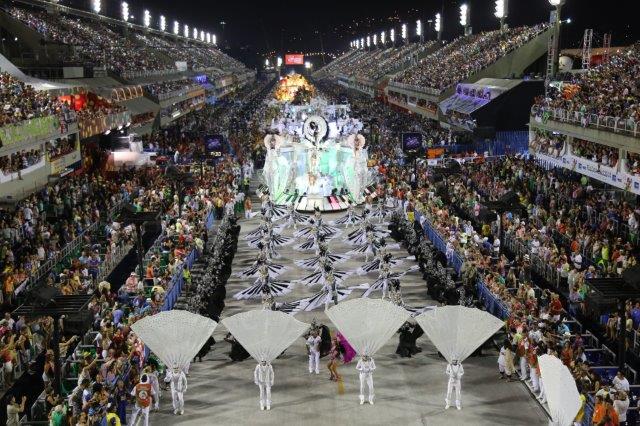
At the core of Brazil's Carnival is the irresistible, driving beat of samba music. This rhythm, born from Afro-Brazilian traditions, provides the soundtrack to the entire event, from the grand parades in the Sambadrome to the spontaneous blocos (street parties) that take over neighborhoods. The music is more than entertainment; it's a unifying force that brings together people from all walks of life, creating a shared experience of rhythm and movement that lasts from dusk until dawn.
A City Transformed
The scale of transformation during Carnival is staggering. As noted by FRANCE 24 correspondent Jan Onoszko, reporting from the festivities,
"It does really feel as though the whole of the city has become one huge party for this two and a half day holiday."This observation captures the essence of the event: a complete urban metamorphosis. Public spaces become dance floors, streets become parade routes, and the usual rhythms of city life are entirely subsumed by the carnival spirit. The atmosphere is one of collective permission to celebrate, a temporary suspension of everyday norms in favor of joy and expression.

Evolution of the Festival
While rooted in centuries of tradition, Brazil's Carnival is not a static event. Onoszko also highlighted a significant evolution, noting that "Brazil's annual carnival has become longer, with parades continuing until March." This extension reflects both the growing popularity of the festival and the desire to maximize its economic and cultural impact. What was once a concentrated burst of activity has expanded into a more prolonged season of events, allowing for greater participation and more elaborate productions from the famed samba schools.
Cultural and Economic Significance
Beyond the spectacle, Carnival holds profound importance for Brazil. It is a vital engine for tourism, drawing visitors from across the globe to experience its unique energy. The festival also serves as a critical platform for cultural preservation and innovation, where samba schools spend the entire year preparing their themes, music, and floats. For many communities, particularly in Rio de Janeiro, participation in Carnival is a source of immense local pride and a key part of social identity, fostering skills in music, dance, costume design, and community organization.

Conclusion
The return of Brazil's Carnival at full scale signals more than just the revival of a party; it marks the triumphant return of a defining cultural institution. The festival's unique blend of music, costume, and communal celebration offers a powerful testament to resilience and joy. As the parades continue into March and the rhythms of samba fill the air, Carnival reaffirms its status as the world's most vibrant and immersive cultural celebration, a temporary world where the only rule is to celebrate life itself.