Read on PBS News
Civic Intervention in Pawtucket Arena Shooting Highlights Community Response to Targeted Violence
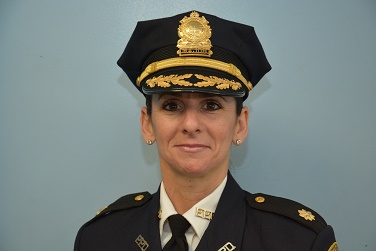
A targeted shooting at a youth hockey game in Pawtucket, Rhode Island, resulted in multiple fatalities, including the shooter's ex-wife and son. Police Chief Tina Goncalves detailed the incident, noting the shooter, identified as Robert Dorgan, died from an apparent self-inflicted gunshot wound. A critical aspect of the response was the intervention of a 'good Samaritan,' whose actions were credited with bringing the violent scene to a swift end. This analysis examines the event's details, the role of civilian intervention, and the broader context of community safety at public sporting events.
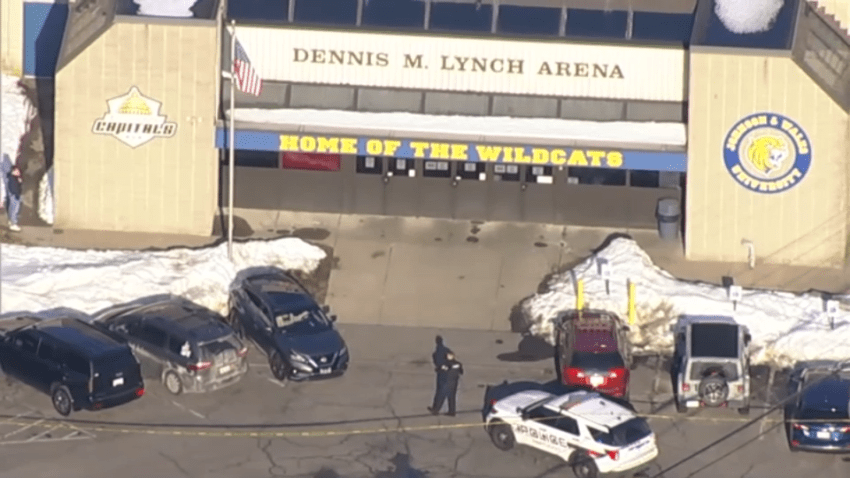
The tragic events at the Dennis M. Lynch Arena in Pawtucket, Rhode Island, underscore the unpredictable nature of targeted violence and the profound impact of community response. On a Monday afternoon, a youth hockey game was violently interrupted by a shooter, leading to multiple casualties and widespread panic. Pawtucket Police Chief Tina Goncalves provided critical details, revealing the shooter was a family member attending the game and that the attack was a targeted event against his ex-wife and their son. Amidst the chaos, a pivotal moment of civilian courage emerged, highlighting how individual action can alter the course of such crises.

Details of the Pawtucket Arena Shooting
According to authorities, the shooter was identified as 56-year-old Robert Dorgan, who also used the name Roberta Esposito. Chief Goncalves stated the victims were the shooter's ex-wife, Rhonda Dorgan, and their adult son, Aidan Dorgan. Three additional individuals were injured: the ex-wife's parents and a family friend. The incident unfolded rapidly inside the arena, with the game being livestreamed by the platform LiveBarn. Videos shared on social media, though later subject to takedown warnings, captured the sounds of gunfire and the ensuing chaos as players, coaches, and spectators sought cover and fled.
Police investigation involved nearly 100 witnesses as they worked to reconstruct the timeline. The shooter ultimately died from what authorities described as an apparent self-inflicted gunshot wound. The personal background of the shooter, as reported by colleagues from General Dynamics Bath Iron Works where he was employed, painted a complex picture. Coworkers described discussions about family, a sometimes-volatile temper, and knowledge of firearm ownership, though the precise motives remain under investigation by law enforcement.
The Role of the Intervening 'Good Samaritan'
A significant element in the response to the shooting was the action of an unnamed individual. Police Chief Goncalves explicitly credited a "good Samaritan" who intervened during the attack, an act she said helped bring the violent scene "to a swift end." While specific details of the intervention were not released, this highlights a critical dynamic in active violence situations: civilian response can be a decisive factor before law enforcement arrives on scene.
Such interventions, while inherently dangerous, can disrupt a shooter's actions, create opportunities for others to escape, and potentially reduce the total number of casualties. The Pawtucket case adds to a narrative where bystander courage plays a role in crisis mitigation, emphasizing the importance of situational awareness and the difficult choices faced by individuals caught in such events.
Broader Context and Community Impact
The shooting has sent shockwaves through the local community and the state of Rhode Island. Governor Dan McKee released a statement expressing grief, noting the state was "grieving again" following another recent shooting at Brown University. The incident at a youth sporting event, a space traditionally associated with community, family, and safety, has particularly resonated, raising concerns about security in public venues.
The use of a livestreaming service also brought the visceral reality of the violence to a wider audience, posing challenges for content moderation and the psychological impact on viewers. The response from first responders, the ongoing witness investigations, and the community's mourning process are now central to the aftermath. This event contributes to ongoing national discussions about public safety, the factors leading to targeted violence, and the protocols for securing crowded community spaces.

Conclusion: Lessons in Crisis and Community
The targeted shooting at the Pawtucket ice arena is a stark reminder of the complex challenges surrounding public safety and interpersonal violence. The detailed account from law enforcement clarifies the targeted nature of the attack, while the acknowledgment of a civilian intervenor underscores the unpredictable human elements that shape these crises. As the investigation continues and the community seeks to heal, the event prompts reflection on security measures for public gatherings, support systems for individuals in crisis, and the enduring need for community resilience in the face of tragedy. The actions of that Monday afternoon, both destructive and heroic, will inform ongoing dialogues about prevention, response, and recovery.