Read on France 24
Millions Usher in the Year of the Horse: A Blend of Tradition and Technology
The Lunar New Year of the Horse commenced on Tuesday, celebrated by millions worldwide with a vibrant fusion of ancient customs and modern innovation. From traditional temple prayers and bustling fairs in Beijing to a high-tech Spring Festival gala featuring humanoid robots, the festivities showcased a unique cultural moment. This article explores how the holiday, observed from Hong Kong to Argentina, bridges deep-rooted traditions with cutting-edge spectacle, reflecting both continuity and technological ambition in contemporary celebrations.
Fireworks illuminated night skies and the scent of incense permeated the air as millions across the globe welcomed the Lunar New Year on Tuesday, February 17, 2026. Marking the transition from the Year of the Snake to the Year of the Horse, the celebrations presented a captivating juxtaposition of time-honored ritual and 21st-century innovation. From the crowded temple fairs of Beijing to a televised gala powered by robotics, the holiday demonstrated how one of the world's most significant cultural events continues to evolve while preserving its core spiritual and communal essence.

The Heart of Tradition: Prayers and Temple Fairs
At its core, the Lunar New Year remains a period for family, reflection, and hope. In Beijing, thousands flocked to the former Temple of Earth, transforming the historic site into a vibrant marketplace. Stalls offered traditional snacks, toys, and trinkets, recreating the lively atmosphere many associate with childhood memories. As reported by France 24, attendee Sun Jing expressed that the event evoked a powerful sense of festivity she hadn't experienced in years. This scene was replicated at popular temples worldwide, where crowds gathered to burn incense, offering prayers for happiness, health, and prosperity in the coming year. In Hong Kong's Wong Tai Sin Temple, devotees lined up at midnight, performing solemn bows before planting their incense sticks—a ritual of hope repeated for generations.
A High-Tech Spectacle: Robots Take the Stage
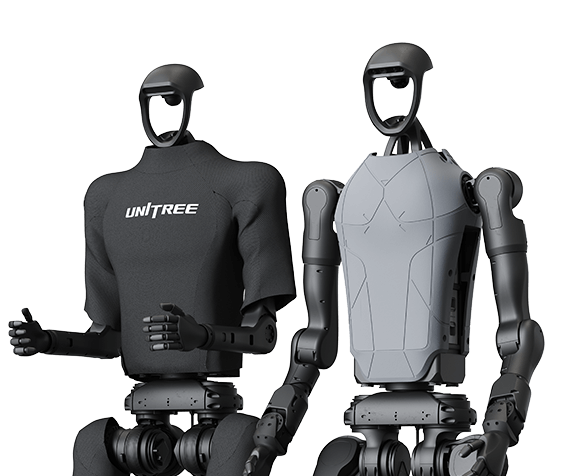
Parallel to these ancient customs, the Year of the Horse was ushered in with a distinctly modern flair. The annual CCTV Spring Festival Gala, a televised event watched by hundreds of millions, featured a groundbreaking performance. Humanoid robots from Unitree Robotics shared the stage with children for a martial arts routine, even brandishing swords in synchronized sequences. This display was more than entertainment; it was a deliberate showcase of China's advancements in robotics and artificial intelligence. The integration of technology into the gala highlights a national push towards innovation, though it received mixed reactions. While some viewers praised the robots as inspirational for youth, others, like Li Bo, felt the technological spectacle detracted from the traditional "New Year atmosphere" of the past.
A Global Celebration: From Asia to the Americas
The Lunar New Year is a truly global festival, observed far beyond East Asia. In Vietnam, where the holiday is called Tet, entertainers performed at outdoor countdown events followed by spectacular fireworks displays in multiple cities. Russia hosted a two-week festival in Moscow, where snowy streets adorned with red lanterns offered Chinese cuisine and cultural displays. This event also carried diplomatic undertones, occurring amidst warming China-Russia relations. In Argentina, home to a dynamic Chinese community of over 180,000 people, thousands gathered in Buenos Aires's Chinatown. The celebrations there featured vibrant dragon and lion dances alongside martial arts demonstrations, illustrating the holiday's role in fostering cultural exchange and community identity abroad.
Cultural Continuity in a Modern World
The simultaneous embrace of robot performers and incense ceremonies during the 2026 Lunar New Year presents a fascinating case study in cultural adaptation. The holiday serves as an anchor for diaspora communities and a point of national pride, all while being a canvas for demonstrating technological progress. The essence of the celebration—prayer for a prosperous future, family reunion, and cultural renewal—remains unchanged. However, the methods of expression and the scale of the festivities continue to evolve, incorporating new tools and reaching wider audiences. This balance ensures the Lunar New Year's enduring relevance, connecting generations through shared ritual while simultaneously looking forward to the future symbolized by the energetic Horse.