Read on PBS News
Trump Criticizes Maryland Governor Over Potomac Sewage Spill Despite Federal Jurisdiction
President Donald Trump has publicly criticized Maryland Governor Wes Moore for the response to a major sewage spill into the Potomac River, despite the incident falling under the jurisdiction of a federally regulated Washington, D.C. water authority. The political dispute highlights tensions over infrastructure management and federal-state coordination during an environmental crisis involving a ruptured 1960s-era pipe. This article examines the jurisdictional facts, the ongoing cleanup challenges, and the broader political context between the Trump administration and a prominent Democratic governor.
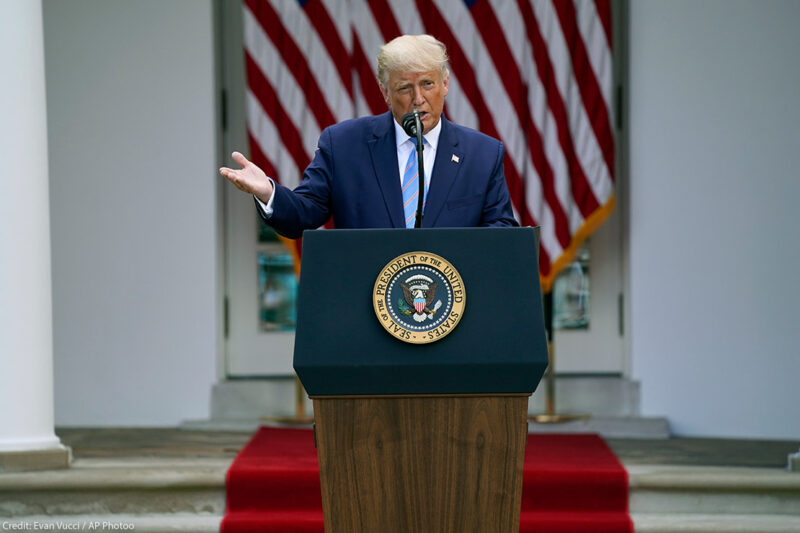
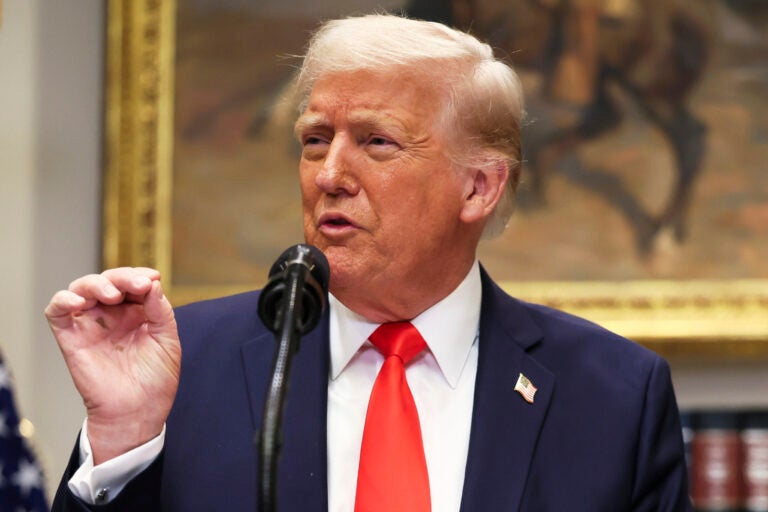
President Donald Trump has ignited a political controversy by publicly blaming Maryland Governor Wes Moore for the response to a significant sewage spill in the Potomac River, an incident that primarily involves federal and District of Columbia authorities. This critique, delivered via social media, underscores ongoing tensions between the Trump administration and Democratic state leaders, while also raising questions about the coordination of emergency responses to environmental disasters. The situation involves a complex web of jurisdictional responsibility, infrastructure challenges, and political posturing.
The Potomac Interceptor Pipe Failure
The core of the issue is the catastrophic failure of a critical piece of aging infrastructure. In January, a 72-inch diameter sewer pipe known as the Potomac Interceptor collapsed, leading to millions of gallons of untreated wastewater flowing into the Potomac River northwest of Washington, D.C. University of Maryland researchers have described it as one of the largest sewage spills in U.S. history. The pipe, constructed in the 1960s, is a key component of the regional wastewater system.
Jurisdictional Reality vs. Political Blame
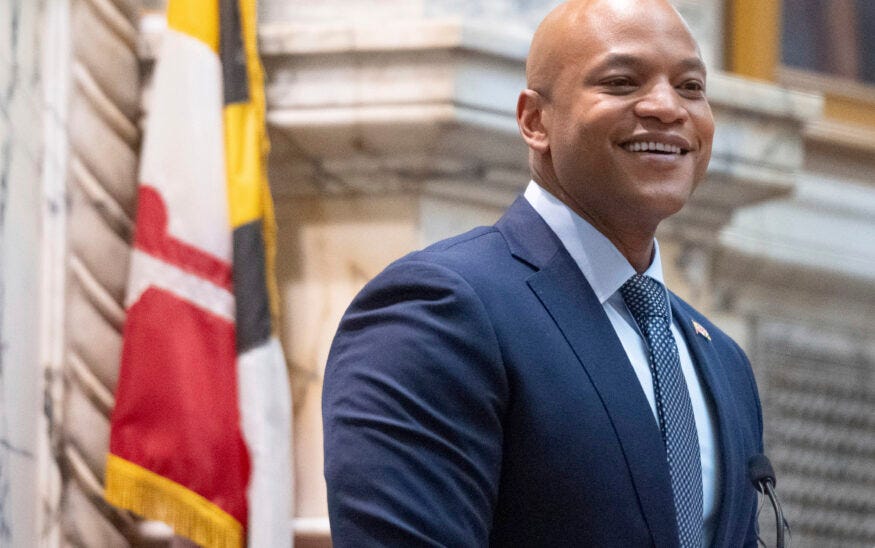
Despite President Trump's focus on Governor Moore, the pipe is owned and operated by DC Water, a utility based in Washington, D.C. that is federally regulated and falls under the oversight of the U.S. Environmental Protection Agency (EPA). This places primary responsibility for the pipe's maintenance and the emergency response with these entities, not the state of Maryland. In a statement, DC Water CEO David L. Gadis confirmed, "We have been coordinating with U.S. EPA since the Potomac Interceptor collapsed." Governor Moore's spokesman, Ammar Moussa, emphasized this point, stating, "The President has his facts wrong — again... Apparently the Trump administration hadn't gotten the memo that they're actually supposed to be in charge here."

The Cleanup Challenge and Federal Role
Addressing the spill has proven to be a technically complex and lengthy process. Initial assessments were complicated by the discovery of a large rock dam approximately 30 feet from the breach in the sewage line, which requires treatment before repairs to the main pipe can proceed. DC Water estimates that emergency repairs will take an additional four to six weeks. While the District's Department of Energy and Environment has assured the public that drinking water remains safe, it has advised avoiding contact with the river, fishing, and allowing pets near the water.
President Trump announced he had ordered federal authorities to step in and coordinate the response, naming the Federal Emergency Management Agency (FEMA) as a key player. However, he also noted that FEMA's capabilities are currently impacted by a partial government shutdown affecting the Department of Homeland Security. A White House official, speaking anonymously, argued that Maryland had been slow to coordinate with federal entities and had neglected infrastructure updates. Conversely, Moore's administration has accused the Trump administration of "shirking its responsibility" on the cleanup, noting that EPA officials did not participate in a recent state legislative hearing on the matter.
Broader Political Context
This incident is not an isolated dispute but part of a recurring pattern of conflict between President Trump and Governor Moore, a Democrat often mentioned as a potential presidential candidate in 2028. Their disagreements span multiple issues. Trump has criticized Moore over crime rates in Baltimore—claims that Maryland officials refute by pointing to historic lows in homicides—and has threatened to deploy National Guard troops to the city. The administration has also questioned Moore on contracting practices and costs related to the reconstruction of the collapsed Francis Scott Key Bridge in Baltimore.
As a tangible sign of this friction, President Trump has explicitly excluded Governor Moore (along with Colorado Governor Jared Polis) from a White House dinner for governors scheduled during the National Governors Association meeting. Trump told reporters, "He can't fix anything," linking his dissatisfaction with the bridge reconstruction and the sewage spill response. This move politicizes what is typically a routine gathering of state leaders.
Conclusion: Coordination Over Conflict
The Potomac River sewage spill presents a serious environmental and public health challenge that demands effective, non-partisan coordination between local, state, and federal agencies. While political sparring between a president and a governor is not uncommon, the misassignment of blame in this case risks diverting attention and resources from the urgent technical work required to repair the failed infrastructure. As Governor Moore's spokesman stated, "The Potomac isn't a talking point, and the people of the region deserve serious leadership that meets the moment." The resolution of this crisis will ultimately depend less on political rhetoric and more on the focused efforts of the engineers and agencies tasked with the cleanup, underscoring the critical need for clear jurisdictional understanding and cooperative governance in managing the nation's aging infrastructure.