Read on the Guardian
South Korea's Hair Loss Debate: Public Health Insurance Expansion Proposal Sparks Controversy
South Korean President Lee Jae Myung has proposed extending public health insurance to cover hair-loss treatments, framing baldness as a 'matter of survival' for young people rather than a cosmetic concern. The controversial policy, which would expand coverage beyond current medical conditions like alopecia areata, has faced immediate backlash from medical professionals and conservative critics who question its priority amid financial pressures on the national insurance system. This article examines the proposal's cultural context, economic implications, and the heated debate surrounding healthcare priorities in South Korea.
In a move that has ignited national debate, South Korean President Lee Jae Myung has directed his administration to consider expanding public health insurance to include hair-loss treatments. The president argues that for young people, baldness has evolved from a cosmetic concern to a "matter of survival" in a society where appearance significantly impacts social and professional opportunities. This proposal represents a significant shift in how South Korea's universal healthcare system might address conditions traditionally viewed as non-medical, raising fundamental questions about healthcare priorities, financial sustainability, and cultural pressures.

The Proposal and Its Rationale
President Lee announced the policy consideration during a government briefing, suggesting that the current exclusion of most hair-loss treatments from insurance coverage creates unfairness for young contributors to the system. "There may be young people who think it's unfair that they only pay insurance premiums and can't receive benefits," Lee stated, highlighting what he described as a growing "sense of alienation" among this demographic. The proposal would extend coverage beyond the limited treatments currently available for specific medical conditions like alopecia areata to include common male pattern baldness treatments.
This is not the first time Lee has floated this idea—he initially proposed it during his 2022 presidential campaign, where critics dismissed it as populist pandering. After dropping it from his most recent election platform, its sudden reintroduction has surprised many observers and reignited previous criticisms while introducing new concerns about the timing and implications for South Korea's healthcare system.
Cultural Context and Social Pressures
The proposal emerges from South Korea's intense cultural focus on physical appearance, where aesthetic standards significantly influence social and professional outcomes. A 2024 survey revealed that 98% of young adults believe attractive people receive tangible social benefits, highlighting the perceived connection between appearance and opportunity. While beauty standards for women receive more public discussion regarding makeup, skincare, and body shape, men face their own pressures regarding hair loss, often resorting to expensive treatments or styling techniques to conceal receding hairlines.

The hair-loss treatment market in South Korea reflects this cultural dynamic, valued at approximately 188 billion won (£95 million) in 2024. Industry groups estimate that around 10 million people—nearly 20% of the population—experience hair loss, though this figure lacks official verification. Popular treatments include specialized shampoos, though some products have faced criticism for exaggerated effectiveness claims. The cultural significance of hair in professional contexts, particularly for young job seekers, underpins Lee's "survival" argument, suggesting that appearance can impact employment prospects and mental health.
Financial and Systemic Concerns
The timing of the proposal has drawn particular scrutiny due to mounting financial pressures on South Korea's National Health Insurance system. Recent internal projections suggest the system could face deficits as large as 4.1 trillion won (£2.1 billion) by 2026, raising questions about adding new coverage areas. Health Minister Jeong Eun Kyeong acknowledged these concerns, stating that expanded coverage "would require a comprehensive analysis" and would likely substantially affect insurance finances.
South Korea operates a universal insurance scheme funded by income-based premiums, currently covering only hair loss with specific medical causes. Expanding coverage to include common pattern baldness would represent a significant policy shift with potentially substantial cost implications, particularly given the large number of people who might seek treatment if it became more affordable through insurance coverage.
Medical and Political Opposition
The proposal has faced immediate backlash from medical professionals and conservative critics. The influential Korean Medical Association issued a statement arguing that "rather than investing health insurance finances in hair loss treatment coverage, prioritising coverage for cancer and other serious diseases would better align with health insurance principles." This perspective reflects concerns about resource allocation in a system already facing financial strain.
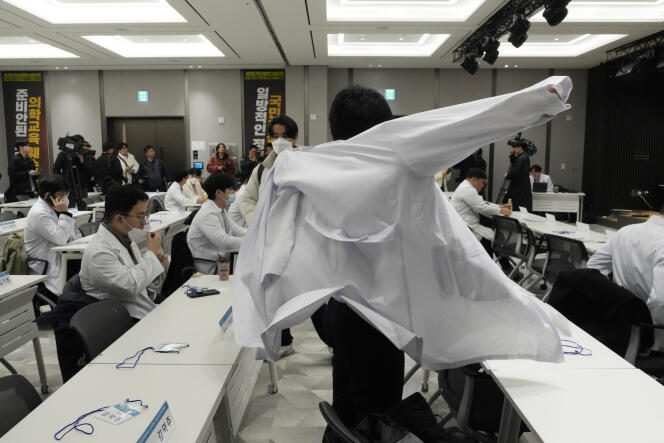
Conservative media outlets have been particularly critical, with The Chosun Ilbo editorializing that "this is not something the president should suddenly instruct without collecting opinions from citizens who pay insurance premiums." Former conservative lawmaker Yoon Hee-sook expressed sympathy for young people's hair-loss stress but emphasized that "prioritising treatments directly connected to life and bodily function represents the current social consensus," noting she has a relative undergoing cancer treatment.
Despite the criticism, the proposal has some supporters, including ruling party MP Park Joo-min, who has publicly discussed his hair transplant procedure and posted "truly Korea!" on social media in apparent endorsement. Health Minister Jeong has suggested interpreting Lee's "survival" claim as referring to the impact on young people's confidence during job searches and mental health, attempting to frame the issue within broader health considerations.
Broader Implications and Conclusion
The hair-loss insurance debate intersects with larger questions about healthcare priorities, generational equity, and cultural values in South Korea. The proposal highlights tensions between expanding healthcare access and maintaining financial sustainability, between addressing psychological well-being and treating life-threatening conditions, and between responding to cultural pressures and establishing medical priorities based on clinical need.
As South Korea grapples with these questions, the outcome will likely influence not only hair-loss treatment accessibility but also broader discussions about what constitutes legitimate healthcare in modern societies. The controversy underscores how healthcare policy increasingly intersects with social, cultural, and economic factors, requiring careful consideration of multiple stakeholders' perspectives and the long-term implications for national health systems.