Millions of Americans Face 2026 Health Insurance Premium Spike as Subsidies Expire
Millions of Americans are preparing for significant health insurance premium increases in 2026 as enhanced subsidies established during the COVID-19 pandemic are set to expire. The ongoing government shutdown has stalled negotiations to extend these subsidies, potentially leading to an average 18% premium hike and a 114% increase in out-of-pocket costs for many families. With the individual insurance market now serving 24 million people—double its previous size—the expiration could disproportionately affect residents in Southern red states who have benefited most from the expanded coverage.
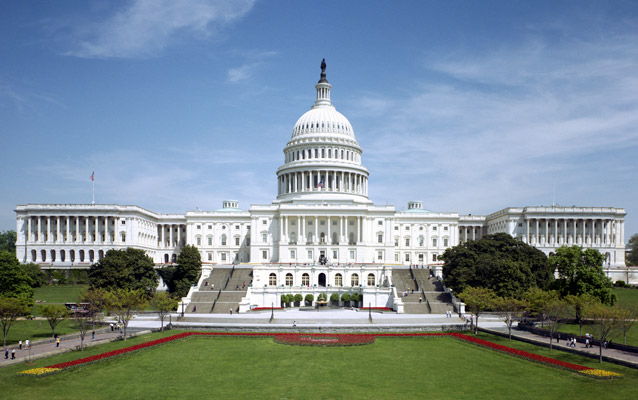
Millions of Americans are bracing for substantial health insurance premium increases in 2026 as enhanced subsidies established during the COVID-19 pandemic face expiration amid the ongoing government shutdown. The political stalemate in Congress has left these critical healthcare subsidies in limbo, potentially affecting 24 million Americans who rely on Affordable Care Act marketplace plans.
The Subsidy Expiration Crisis
The enhanced subsidies, originally passed as part of COVID-19 relief measures and later extended through the Inflation Reduction Act, were designed as temporary solutions to make health insurance more affordable during the pandemic. According to Cynthia Cox of KFF, these subsidies were always intended to be temporary, with expiration dates built into the legislation from the beginning. The current government shutdown, now in its fourth week and the second-longest in U.S. history, has prevented any serious negotiations to extend these critical healthcare supports.
Impact on Insurance Premiums
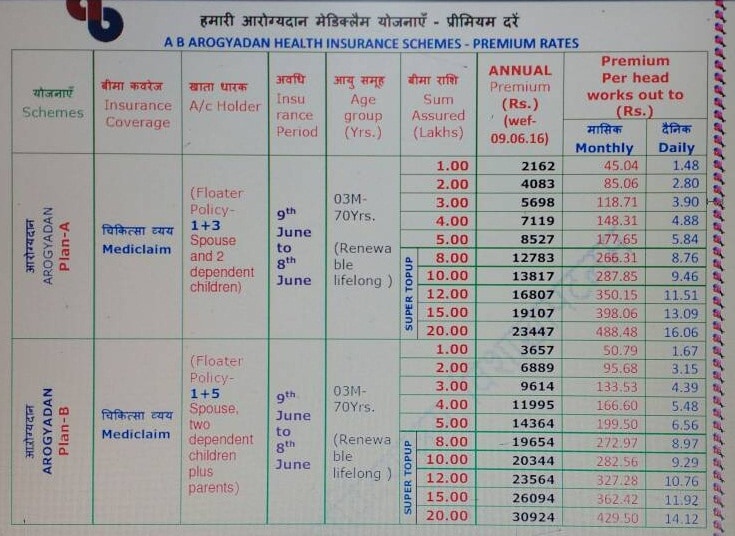
If Congress takes no action, Americans could face an average 18% increase in their 2026 health insurance premiums. However, the actual out-of-pocket impact would be even more severe. As Cox explains, "How much people pay for their monthly premium payment will actually go up by 114 percent on average if the enhanced tax credits expire." This dramatic increase reflects both the underlying premium hikes and the reduction in federal assistance that currently makes insurance affordable for millions.
Geographic and Political Implications
The expiration of these subsidies would disproportionately affect residents in Southern red states, where enrollment in ACA marketplaces has seen the most significant growth. The individual insurance market has doubled in size due to these enhanced subsidies, growing from approximately 11-12 million people to 24 million. This expansion means that many Republican voters who have benefited from the expanded coverage could face the most severe financial impacts if subsidies expire.
Underlying Cost Drivers
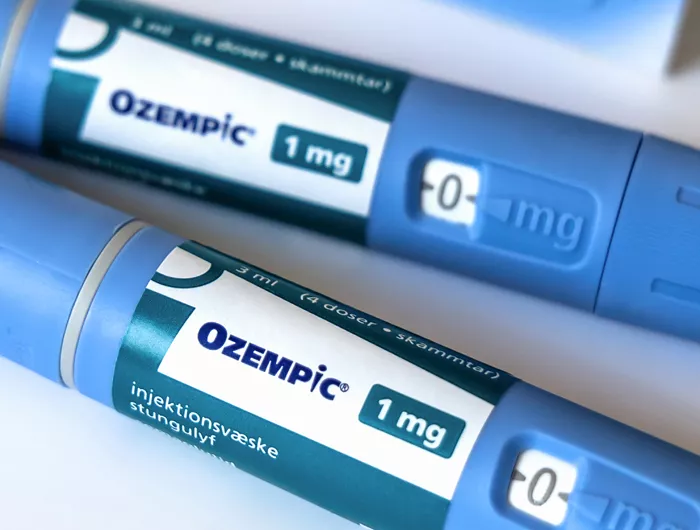
The premium increases reflect broader trends in healthcare costs beyond just the subsidy expiration. Insurance premiums are driven by underlying healthcare expenses, including hospital stays, doctor visits, and prescription drugs. A particularly significant factor in recent cost increases has been the emergence of expensive new medications like GLP-1 drugs (including Ozempic and Wegovy) used to treat obesity. These high-cost medications are contributing to rising insurance premiums for all consumers.
The Future of Healthcare Affordability
The current crisis highlights fundamental questions about healthcare affordability in the United States. As Cox notes, "A legitimate criticism of the Affordable Care Act is that it made health care more affordable for certain people by using taxpayer dollars to offset the cost. It doesn't do a lot to address the underlying reasons why health care is so expensive in this country." The situation underscores the need for broader solutions addressing hospital costs, physician services, and prescription drug pricing rather than relying solely on subsidy mechanisms.
With federal workers already facing furloughs and food bank lines stretching around blocks in areas with high concentrations of government employees, the healthcare subsidy expiration adds another layer of financial uncertainty for American families. The resolution of this issue remains tied to the broader government shutdown negotiations, leaving millions of Americans in limbo regarding their 2026 healthcare costs.