Harvey Risch's Appointment to Lead President's Cancer Panel Sparks Concern Among Experts
Yale epidemiologist Harvey Risch, known for promoting controversial Covid-19 treatments like ivermectin and speculating about connections between vaccines and "turbo cancer," has been appointed by President Trump to chair the influential President's Cancer Panel. The appointment, announced by Risch himself on social media but not formally confirmed by the White House, has raised alarm among medical experts who fear his unorthodox views could influence national cancer policy and research priorities. This development comes amid a broader pattern of controversial appointments to key public health positions in the current administration.
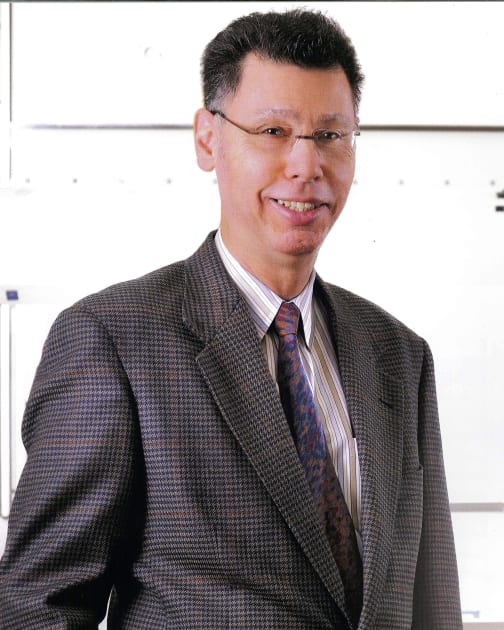
The appointment of Harvey Risch, a Yale epidemiologist with a history of promoting controversial medical treatments, to chair the President's Cancer Panel has ignited significant concern within the medical and scientific communities. Risch, a professor emeritus at the Yale School of Public Health, announced his appointment on social media in November 2025, though no formal announcement has been made by the White House or the President's office. This move places a figure known for advocating unproven Covid-19 therapies and questioning vaccine safety in a position to oversee the National Cancer Program, which coordinates critical cancer research and funding across the United States.
Controversial Background and Medical Views
Harvey Risch gained prominence during the Covid-19 pandemic as an early proponent of hydroxychloroquine and ivermectin, treatments that lack robust scientific evidence for efficacy against the virus. According to a WIRED report, he promoted these views in congressional testimony and through appearances on right-wing media outlets. More recently, Risch has speculated about a potential link between mRNA Covid-19 vaccines and aggressive cancers, a theory often referred to as "turbo cancer" by online anti-vaccine activists. This speculation directly contradicts the position of the National Cancer Institute, which states there is no evidence that Covid-19 vaccines cause cancer or lead to disease progression.
Role and Responsibilities of the President's Cancer Panel
The President's Cancer Panel is a federal advisory committee established to monitor the National Cancer Program and report directly to the President on its progress and effectiveness. The panel's mandate includes evaluating research initiatives, treatment advancements, and public health strategies related to cancer. As chair, Risch would wield significant influence over the panel's recommendations and reports, which can shape policy and funding priorities. The position was previously held by Elizabeth Jaffee, a respected pancreatic cancer researcher from Johns Hopkins University, whose term ended in March.

Expert Reactions and Concerns
Medical experts have expressed deep concern about Risch's appointment. David Gorski, a surgical oncologist, told WIRED that having Risch on the panel "is a disaster for cancer patients, as he will inject conspiracy theories, pseudoscience, and false claims about cancer into the panel's reports." Another expert, who spoke anonymously for fear of retribution, warned that Risch's beliefs could lead to the promotion of unproven treatments like ivermectin for cancer at the federal level. These concerns are amplified by Risch's role as chief epidemiologist for The Wellness Company, an alternative health organization that sells ivermectin and other controversial supplements.
Broader Context of Public Health Appointments
Risch's appointment is not an isolated incident but part of a broader trend of controversial figures being placed in key public health roles. The current administration has appointed anti-vaccine activist Robert F. Kennedy Jr. as Health Secretary and former television host Dr. Mehmet Oz to lead the Centers for Medicare and Medicaid Services. The administration has also nominated Casey Means for Surgeon General despite her lacking a current medical license. These appointments reflect a significant shift in how scientific expertise and established medical consensus are valued in federal health policy.
Implications for Cancer Research and Public Trust
The potential impact of Risch's leadership extends beyond immediate policy concerns to the erosion of public trust in cancer research and treatment guidelines. When individuals promoting debunked theories occupy positions of authority, it can undermine confidence in evidence-based medicine and public health institutions. The National Cancer Program relies on coordinated, scientifically rigorous research to advance treatments and save lives. Experts fear that diverting this program toward unproven alternative therapies could delay progress and harm patients who depend on validated medical interventions.
Conclusion
The appointment of Harvey Risch to chair the President's Cancer Panel represents a critical juncture for cancer policy in the United States. While administrative changes are expected with new presidential terms, placing a figure with a documented history of promoting medical misinformation in such an influential role raises legitimate questions about the future direction of cancer research and public health priorities. The medical community's widespread concern highlights the importance of maintaining scientific integrity and evidence-based approaches in combating a disease that affects millions of Americans. As this situation develops, stakeholders will be watching closely to see how Risch's leadership impacts the panel's work and, ultimately, the nation's fight against cancer.