The Future of Healthcare: Precision Medical Forecasting in 2026
Precision medical forecasting represents a transformative shift in healthcare, leveraging AI and aging science to predict major age-related diseases years before symptoms appear. By combining electronic medical records, biomarkers, and AI algorithms, this approach enables personalized preventive strategies. The technology focuses on cancer, cardiovascular, and neurodegenerative diseases, offering unprecedented opportunities for early intervention and improved health outcomes.
The healthcare landscape is on the brink of a revolutionary transformation with the emergence of precision medical forecasting. This innovative approach promises to shift medicine from reactive treatment to proactive prevention by predicting major age-related diseases well before symptoms manifest. By leveraging advances in artificial intelligence and the science of aging, precision forecasting provides individuals with personalized risk assessments and targeted preventive strategies.
The Science Behind Precision Forecasting
Precision medical forecasting builds upon recent breakthroughs in understanding the biological processes of aging. Key concepts like immunosenescence (age-related immune system decline) and inflammaging (chronic inflammation associated with aging) provide the foundation for predicting disease risk. These processes typically have incubation periods of two decades or more before symptoms become apparent, creating a crucial window for intervention.
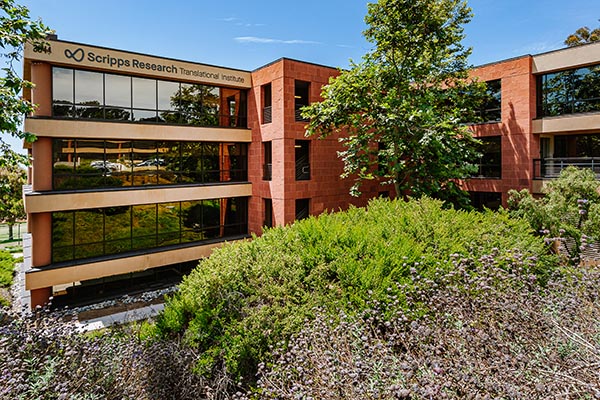
Advanced biomarkers and body-wide aging clocks enable researchers to determine whether an individual or specific organs are aging at an accelerated pace. These tools, combined with AI algorithms capable of interpreting medical images like retinal scans, can predict cardiovascular and neurodegenerative diseases many years in advance. According to research from Scripps Research Translational Institute, this represents a significant advancement beyond traditional polygenic risk scores by adding the critical "when" factor to disease prediction.
Data Integration for Personalized Predictions
The power of precision medical forecasting lies in its ability to synthesize multiple data streams into comprehensive health assessments. Electronic medical records provide structured and unstructured notes, lab results, and genetic information. Wearable sensors contribute continuous physiological data, while environmental factors add context to individual risk profiles.
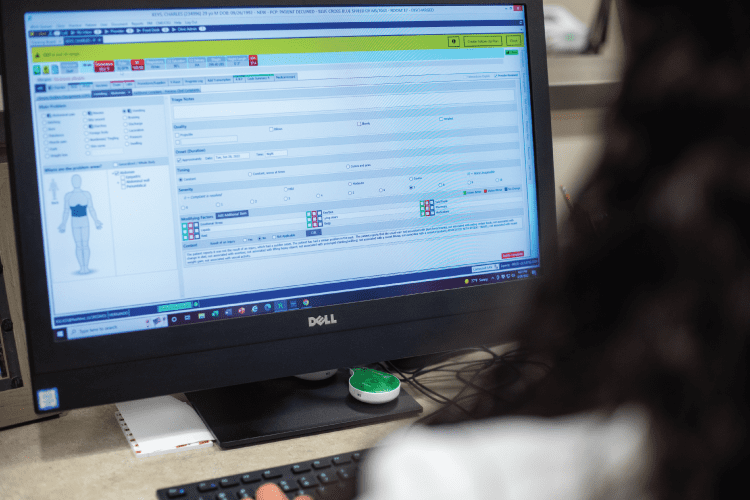
When analyzed using large reasoning models, this aggregated data reveals individual vulnerabilities and enables the creation of personalized preventive programs. The approach moves beyond identifying risk to projecting the temporal arc of disease development, allowing for precisely timed interventions. This represents a fundamental shift from population-based medicine to truly individualized healthcare strategies.
Preventive Strategies and Implementation
Precision forecasting enables targeted preventive measures based on individual risk profiles. Lifestyle interventions including anti-inflammatory diets, regular exercise, and quality sleep patterns form the foundation of disease prevention. When individuals understand their specific risks, they become more motivated to implement these lifestyle changes effectively.
Pharmaceutical interventions also play a crucial role in prevention strategies. GLP-1 medications have demonstrated potential in promoting healthy immune function and reducing inflammation, with additional medications currently in development pipelines. For conditions like Alzheimer's disease, biomarkers such as p-tau217 blood tests can identify elevated risk, while brain organ clocks and body-wide aging clocks can track the effectiveness of preventive interventions.

Validation and Future Directions
The potential of precision medical forecasting must be validated through prospective clinical trials demonstrating reduced disease risk using established aging metrics. These trials will establish the effectiveness of preventive interventions and refine forecasting algorithms. The approach represents a new frontier in medicine, focusing on primary prevention of the three major age-related diseases that significantly impact health span and quality of life.
As noted by Eric Topol of Scripps Research, this represents the most exciting future application of AI in medicine. The convergence of aging science and artificial intelligence creates unprecedented opportunities for disease prevention at scale, addressing previous limitations in data availability and analytical capabilities. By 2026, precision medical forecasting is expected to become a practical reality in clinical settings.
The implementation of precision medical forecasting requires careful consideration of ethical implications, data privacy, and healthcare accessibility. However, the potential benefits for extending health span and preventing debilitating diseases make this approach one of the most promising developments in modern medicine. As technology advances and validation studies progress, precision forecasting may fundamentally transform how we approach healthcare and aging.