NATO's 'Eastern Sentry' Defense Plan: Responding to Russian Drone Incursions
NATO has activated its 'Eastern Sentry' defense strategy in response to recent Russian drone incursions into alliance airspace. This coordinated military plan enhances air defense capabilities along NATO's eastern flank, demonstrating the alliance's commitment to collective security. The response follows multiple unauthorized drone entries that tested NATO's readiness and surveillance systems.
NATO has swiftly implemented its 'Eastern Sentry' defense strategy following recent Russian drone incursions that violated alliance airspace. This coordinated military response represents a significant enhancement of NATO's defensive capabilities along its eastern borders, demonstrating the alliance's commitment to collective security and territorial integrity.

The 'Eastern Sentry' plan involves increased aerial surveillance, enhanced radar coverage, and rapid response capabilities designed to detect and intercept unauthorized aerial vehicles. This strategic deployment comes after multiple incidents where Russian drones entered NATO airspace without authorization, testing the alliance's defensive readiness and response protocols.
Enhanced Defensive Measures
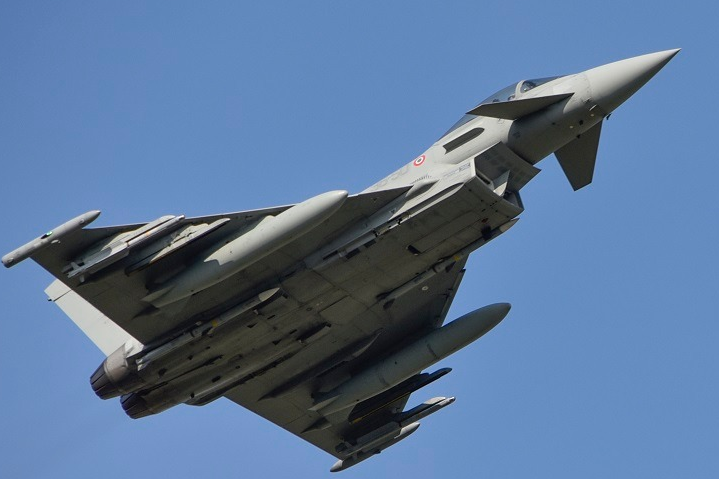
NATO's response includes deploying additional fighter aircraft on heightened alert status along the eastern flank. The alliance has also activated enhanced intelligence sharing mechanisms among member states to improve situational awareness and coordinate responses to potential threats. These measures ensure that any future incursions can be identified and addressed more effectively.
Strategic Significance
The implementation of 'Eastern Sentry' represents NATO's firm stance against violations of its airspace and serves as a deterrent to future provocations. This response underscores the alliance's readiness to defend its member states and maintain security stability in the region. The coordinated nature of the deployment demonstrates NATO's ability to respond collectively to emerging security challenges.
NATO officials have emphasized that the 'Eastern Sentry' plan is a defensive measure designed to protect alliance territory rather than escalate tensions. The response remains proportionate to the nature of the incursions while sending a clear message about NATO's commitment to its security obligations under Article 5 of the North Atlantic Treaty.