Read on PBS News
Unexplained Removal of Epstein Documents from DOJ Website Raises Transparency Concerns
At least 16 files, including a photograph featuring former President Donald Trump, were removed from the Justice Department's public webpage for Jeffrey Epstein-related documents less than a day after their posting. This unexplained disappearance, occurring without public notice or official explanation, has intensified scrutiny over the transparency of the high-profile document release mandated by Congress. The incident fuels existing speculation about the Epstein case and raises critical questions about government accountability and the completeness of information being provided to the American public.
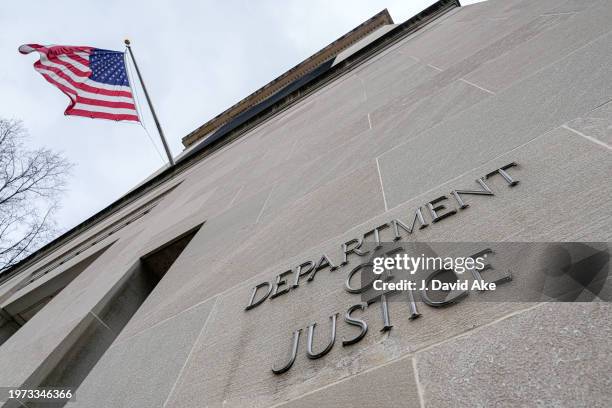
The recent release of documents related to the Jeffrey Epstein case was intended to provide long-awaited transparency into one of the most scrutinized criminal investigations in recent history. However, this effort toward public accountability was almost immediately clouded by an unexplained and opaque action by the Justice Department itself. According to an Associated Press report, at least 16 files vanished from the DOJ's dedicated public webpage for Epstein materials less than 24 hours after they were first posted online. This incident, occurring without any official explanation or public notification, has reignited debates over government transparency and the handling of sensitive information related to powerful figures.
The Disappearing Files: What Was Removed?
The missing files, which were accessible on a Friday and gone by the following Saturday, included various images from the Epstein investigation. Among the most notable was a photograph showing former President Donald Trump alongside Jeffrey Epstein, Melania Trump, and Epstein's associate Ghislaine Maxwell. This image was reportedly found inside a drawer among other photos during a search. Other removed files included images of paintings depicting nude women and a series of photographs arranged along a credenza. The Justice Department has not commented on why these specific files were taken down or whether their removal was a deliberate act, leaving a vacuum filled with public speculation and concern.
Immediate Fallout and Political Reactions
The unexplained removal quickly drew sharp criticism from lawmakers and the public. Democrats on the House Oversight Committee highlighted the incident in a social media post, directly questioning, "What else is being covered up? We need transparency for the American public." This reaction underscores a broader frustration with the Justice Department's handling of the entire Epstein document release process. The department is releasing records on a rolling basis, citing the time needed to redact survivors' names, despite a congressional deadline for full disclosure. This approach has angered some Epstein accusers and members of Congress who fought for the law mandating the release, transforming a hoped-for moment of closure into the beginning of an indefinite waiting period.
Broader Context: An Already Problematic Release
The controversy over the missing files compounds significant pre-existing concerns about the substance of the document release itself. The tens of thousands of pages made public so far have been criticized for offering scant new insight into Epstein's crimes or the prosecutorial decisions that allowed him to avoid serious federal charges for over a decade. Notably absent are key records such as FBI interviews with survivors and internal DOJ memos on charging decisions. The releases have been heavy on photographs of Epstein's properties and images of celebrities, including previously unseen photos of former President Bill Clinton, but light on substantive investigative material. Many documents are heavily redacted or lack necessary context, such as a 119-page grand jury document that was entirely blacked out.
Legal and Investigative Background
The document release was compelled by a recent law passed by Congress. Federal prosecutors in New York had brought sex trafficking charges against Epstein in 2019, but he died by suicide in jail shortly after his arrest. The documents pertain to investigations into Epstein and his associate Ghislaine Maxwell, who was convicted in 2021. Despite the volume of material—Deputy Attorney General Todd Blanche noted Manhattan prosecutors had over 3.6 million records—the public disclosures have been a fraction of that. Some of the more substantive records that were released, such as grand jury transcripts, reveal that federal prosecutors had a strong case against Epstein as early as 2007 but never charged him. Testimony included accounts from girls as young as 14 who described being paid for sex acts.
Accountability and the Path Forward
The unexplained removal of files is a significant setback for government transparency. It undermines public trust at a time when accountability is most needed. For victims and advocates, the episode is another example of the justice system failing to provide answers. Attorney Jennifer Freeman, representing accuser Maria Farmer, stated the release was both "a triumph and a tragedy," highlighting the government's historical inaction. The Justice Department's lack of communication about the missing files only deepens the mystery surrounding the Epstein case and the powerful networks he cultivated. Moving forward, consistent pressure from Congress and the public will be essential to ensure the full, unredacted truth is eventually revealed, and that such opaque actions are not repeated.