Read on Global News
Shohei Ohtani's Early Exit in World Series Game 7: A Pivotal Moment in Championship History
In a dramatic turn of events during the decisive World Series Game 7, Shohei Ohtani was pulled from the mound in the third inning after surrendering a crucial three-run home run to Bo Bichette. The Los Angeles Dodgers' two-way star, pitching on just three days of rest, showed impressive velocity but struggled with control, ultimately allowing three runs and five hits in just 2⅓ innings. This early exit marked a significant moment in the championship game, as Ohtani's departure forced the Dodgers to rely on their bullpen in what became a pivotal moment in the series finale.
The World Series Game 7 between the Los Angeles Dodgers and Toronto Blue Jays featured a dramatic early exit that shifted the championship momentum. Shohei Ohtani, the Dodgers' two-way superstar, was pulled from the mound in the third inning after surrendering a decisive three-run home run to Blue Jays shortstop Bo Bichette. This pivotal moment in baseball's biggest stage highlighted the challenges of managing elite talent in high-pressure situations.

The Third Inning Collapse
Ohtani's early departure came after a challenging third inning where the pitcher appeared to run out of steam despite showing impressive velocity. Pitching on just three days of rest, Ohtani had reached 100.9 mph with his fastball earlier in the game but struggled with control as the inning progressed. The sequence began with Ohtani hustling to field Nathan Lukes' sacrifice bunt, followed by a wild pitch to Vladimir Guerrero Jr. that set up the critical at-bat.
After Dodgers manager Dave Roberts intentionally walked Guerrero, Ohtani threw a hanging slider on his 51st pitch of the game that Bichette launched 442 feet for a three-run homer. This marked Bichette's first home run since September 2, coming just days before he suffered the left knee injury that had been hampering him throughout the Series.

Pitching Performance Analysis
Ohtani's final line included three runs and five hits allowed in 2⅓ innings, with two walks and three strikeouts. While the velocity was certainly present—Ohtani threw three pitches at 100 mph or above—the control that had characterized his Game 4 start was noticeably absent. In that previous outing, Ohtani had thrown 93 pitches in a 6-2 loss, striking out six while walking only one.
The decision to start Ohtani on short rest represented a calculated risk by the Dodgers management. His only prior outing on three days' rest came on April 21, 2017, when he allowed two hits over seven innings and struck out 11 in a 2-0 win over Kansas City. However, the circumstances of that start were different, as his previous outing at Boston on April 17 had been cut short by a rain delay after just two innings and 31 pitches.
Strategic Considerations
The Dodgers' decision to start Ohtani made strategic sense given the rules implemented for the 2022 season. Under these regulations, pitchers who start games in the batting order can remain in the game as a designated hitter after leaving the mound. This rule provided flexibility that wouldn't have been available if Ohtani had started only as a DH and then taken the mound, which would have caused the Dodgers to lose their DH slot.
Ohtani also made history earlier in the game, becoming the first pitcher to get a hit in a World Series Game 7 since Jesse Orosco of the New York Mets in 1986. He singled to center off Toronto's Max Scherzer to begin the game, moved to second on a ground ball, advanced to third on a fly ball, but was ultimately stranded when Mookie Betts grounded out.
Game Management Controversy
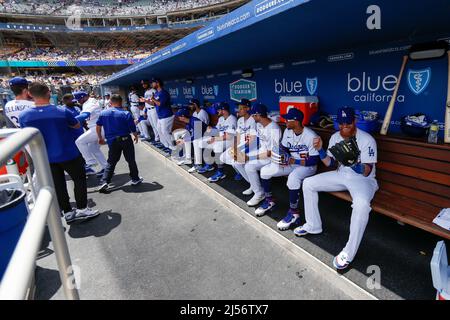
Ohtani's pacing between innings became a point of contention during the game. The Blue Jays were reportedly irked by lengthy delays before Ohtani warmed up in both the first and third innings. Each time, it took approximately 4½ minutes before he was ready to resume pitching, though umpires did not appear to rush him. Blue Jays manager John Schneider complained several times about the extended breaks.
Following Ohtani's departure, left-hander Justin Wrobleski entered the game in relief, tasked with containing the damage and keeping the Dodgers within striking distance. The early bullpen activation represented a significant shift in strategy for a team that had hoped for length from their ace in the championship-deciding game.
The early exit of a player of Ohtani's caliber in such a critical game underscores the unpredictable nature of baseball's biggest stage. While the velocity and raw talent were evident, the combination of short rest and high-pressure situations created challenges that even elite athletes must navigate carefully in championship moments.