Angels and Skaggs Family Reach Confidential Settlement in Wrongful Death Lawsuit
The Los Angeles Angels and the family of late pitcher Tyler Skaggs have reached a confidential, last-minute settlement in their civil lawsuit, ending a six-year legal battle. The settlement was agreed upon as a jury deliberated for a third day, with questions suggesting a potential verdict in favor of the Skaggs family, who had sought over $118 million. The lawsuit stemmed from Skaggs' 2019 death from a fentanyl-laced pill provided by a former Angels employee, Eric Kay, who is now serving a 22-year prison sentence.
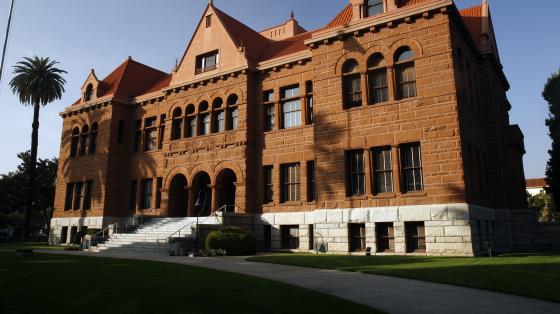
The Los Angeles Angels and the family of pitcher Tyler Skaggs have reached a confidential settlement, bringing a sudden end to a high-stakes civil trial over the player's tragic 2019 death. The agreement was finalized on Friday, December 19, 2025, as jurors entered their third day of deliberations in Santa Ana, California. According to ESPN reports, settlement talks intensified after the jury sent queries that legal observers interpreted as potentially favoring the plaintiffs' case, prompting both sides to avoid an uncertain verdict.

Background of the Case
The lawsuit originated from the death of Tyler Skaggs on July 1, 2019. The 27-year-old pitcher died in a Southlake, Texas hotel room after consuming a pill laced with fentanyl, which was provided by Eric Kay, then a communications director for the Angels. Kay was subsequently convicted in federal court for his role in Skaggs' death and is currently serving a 22-year prison sentence. The Skaggs family's civil suit alleged that the Angels organization bore responsibility for failing to prevent or address Kay's known drug-related activities, which they argued created a dangerous environment that led to the pitcher's death.
The Trial and Settlement Dynamics
The trial spanned 31 days and featured testimony from 44 witnesses, along with the review of 312 exhibits. Central to the plaintiffs' case was the argument that the Angels knew or should have known about Eric Kay's drug distribution. Plaintiffs' attorney Daniel Dutko pointed to a Drug Enforcement Agency interview where Kay stated he had informed a superior in 2017 about his and Skaggs' drug use. The family sought $118 million in potential lost earnings, with baseball wage experts testifying that Skaggs' lost career wages ranged from $21 million to nearly $125 million.
Jury Deliberations and Final Negotiations
As the jury deliberated, they submitted questions regarding the testimony of wage experts and whether they could award punitive damages—signals that often indicate a jury is seriously considering a plaintiff's claims. These developments accelerated settlement discussions between the parties' legal teams, both in the courtroom and in private meetings with Judge H. Shaina Colover. The settlement was reached before the jury could render a verdict or assign percentages of responsibility among Skaggs, Kay, and the Angels organization.
Legal Arguments and Organizational Responsibility
The Angels' defense, led by attorney Todd Theodora, maintained that the organization was unaware of Kay's illicit activities and that Kay acted outside the scope of his employment. The team argued that Skaggs concealed his prior addiction to Percocet from the organization, even from his wife, and that his own decisions ultimately led to his death. The Angels characterized their signing of Skaggs as having been made "under false pretenses" due to this nondisclosure.
Family Statement and Moving Forward
In a statement following the settlement, the Skaggs family expressed a mix of relief and continued sorrow. "The Skaggs family has reached a confidential settlement with Angels Baseball that brings to a close a difficult six-year process, allowing our families to focus on healing," the family said. They thanked the jury and their legal team, adding, "This trial exposed the truth and we hope Major League Baseball will now do its part in holding the Angels accountable. While nothing can bring Tyler back, we will continue to honor his memory." The specific terms and financial amount of the settlement remain confidential.
Implications for Major League Baseball
This case highlights ongoing concerns about substance abuse and organizational accountability within professional sports. The Skaggs family's explicit call for MLB to "hold the Angels accountable" suggests the matter may have broader ramifications for league policies regarding employee conduct, drug prevention programs, and the duty of care teams owe to their players. The settlement, while concluding the civil litigation, leaves unanswered questions about preventative measures that could avert similar tragedies in the future.
The resolution of this painful chapter allows both the Skaggs family and the Angels organization to avoid the prolonged uncertainty of appeals and continued litigation. However, it also serves as a somber reminder of the devastating consequences of the opioid crisis, even within the insulated world of professional athletics. The legacy of Tyler Skaggs now becomes intertwined with legal precedent and a call for greater vigilance and responsibility from sports organizations nationwide.