Read on Global News
Putin's Ultimatum: Russia Threatens Military Escalation if Peace Talks Fail
Russian President Vladimir Putin has issued a stark warning that Moscow will seek to extend its territorial gains in Ukraine through military means if Kyiv and its Western allies reject the Kremlin's demands in ongoing peace negotiations. Speaking at a meeting with top military officials, Putin emphasized Russia's preference for a diplomatic solution but stated readiness to 'liberate historical lands' by force. This ultimatum comes amid intensive U.S.-led diplomatic efforts to end the nearly four-year conflict, with sharply conflicting territorial demands creating significant obstacles to any potential agreement.
Russian President Vladimir Putin has delivered a clear ultimatum regarding the future of the Ukraine conflict, warning that Moscow will pursue military expansion if diplomatic efforts fail to meet Russia's demands. Speaking at an annual meeting with top military officers, Putin outlined Russia's dual-track approach: seeking diplomatic resolution while preparing for potential escalation. This statement represents one of Putin's most explicit threats regarding Russia's willingness to expand its territorial control in Ukraine, coming at a critical juncture in international peace negotiations.

The Diplomatic Context and Conflicting Demands
The timing of Putin's statement is significant, following several rounds of intensive talks between Ukrainian, American, and European officials on a U.S.-drafted peace plan. Ukrainian President Volodymyr Zelenskyy indicated after meetings with U.S. envoys in Berlin that the document could be finalized within days, after which American representatives would present it to the Kremlin. However, fundamental disagreements over territorial control and security arrangements continue to pose substantial obstacles to any potential agreement.
Putin's demands include recognition of Russian control over four key regions captured since the 2022 invasion, as well as Crimea, which was illegally annexed in 2014. Additionally, Moscow insists that Ukraine withdraw from certain areas in eastern Ukraine that Russian forces have not yet captured. The Kremlin has also demanded that Ukraine abandon its bid to join NATO and has warned against the deployment of any troops from NATO member states, threatening to view such deployments as 'legitimate targets.' These conditions represent significant challenges to Ukrainian sovereignty and international norms.
Russia's Military Posture and Strategic Objectives
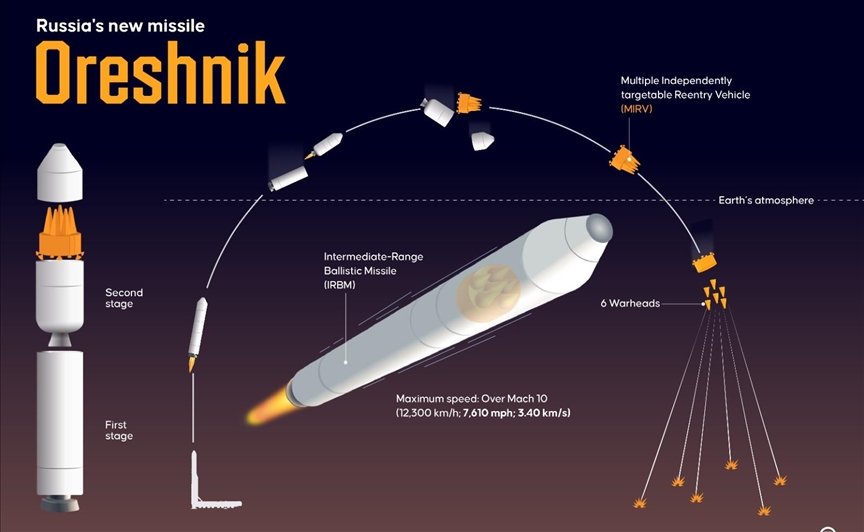
Putin's statement was delivered in the context of showcasing Russia's enhanced military capabilities. He claimed that 'the Russian army has seized and is firmly holding strategic initiative all along the front line' and warned that Moscow will move to expand a 'buffer security zone' alongside the Russian border. Putin praised Russia's growing military might, particularly noting the modernization of its atomic arsenal, including the new nuclear-capable intermediate range Oreshnik ballistic missile that he said will officially enter combat duty this month.
Reporting to Putin at the military meeting, Defense Minister Andrei Belousov outlined plans for further advances, stating that recent Russian gains in Donetsk have set the stage for a quick push into Ukrainian-controlled parts of the region. Belousov also declared that Russian troops were preparing to drive Ukrainian forces from parts of the Zaporizhzhia region that Moscow annexed in 2022 but never fully captured, as well as extend gains in neighboring Dnipropetrovsk. 'The key task for the next year is to preserve and accelerate the tempo of the offensive,' he stated, according to reporting from The Associated Press.
International Reactions and Peace Process Challenges
The international response to Putin's statements has been one of concern, with European officials previously expressing worries about Moscow's purported plans to attack European nations. Putin dismissed these concerns as 'lies and sheer nonsense … driven by short-sighted personal or group political interests, not by the interests of their people.' He also made derogatory comments about European allies, referring to them contemptuously as 'piglings' who had vainly expected Russia's collapse.
U.S. President Donald Trump has been leading an extensive diplomatic push to end the conflict, stating this week that 'I think we are closer now than we have ever been, ever' to reaching a deal and praising 'tremendous support from European leaders' who 'want to get it ended.' Trump added, 'I actually think that President Putin wants to see it end.' However, the sharply different demands by Moscow and Kyiv present significant challenges to any potential agreement, with territorial control remaining the most contentious issue.
Conclusion: Implications for Regional Security
Putin's ultimatum represents a critical moment in the Ukraine conflict, highlighting Russia's willingness to escalate military operations if diplomatic efforts fail to meet its demands. The statement underscores the fundamental disagreements between Russia and Ukraine regarding territorial sovereignty and security arrangements. As peace negotiations continue, the international community faces the challenge of balancing diplomatic engagement with maintaining support for Ukrainian sovereignty and territorial integrity. The coming weeks will be crucial in determining whether diplomatic channels can produce a viable agreement or whether Russia will follow through on its threat to achieve its objectives through military means.