The Analog Advantage: WIRED-Tested Paper Planners for Enhanced Productivity
In an increasingly digital world, paper planners offer tangible benefits for organization and memory retention. Based on extensive testing by WIRED, this guide explores the best paper planners available, from weekly and daily formats to customizable options. Discover why writing things down can improve cognitive function and how choosing the right planner can transform your productivity approach. We review top picks like the Roterunner Purpose Planner, Hobonichi Techo, and Kokuyo Jibun Techo, providing insights to help you find the perfect analog companion for your organizational needs.
In an era dominated by digital calendars and productivity apps, there's a compelling case for returning to analog tools. Paper planners offer more than just nostalgia—they provide cognitive benefits that digital alternatives can't replicate. According to WIRED's extensive testing, the act of writing things down not only feels satisfying but actually helps improve retention and organization. This guide explores the best paper planners available, drawing from comprehensive reviews and hands-on testing to help you find the perfect analog companion for your productivity needs.
Why Choose Paper Over Digital?
Research consistently shows that writing things down by hand activates more brain connectivity than typing. This physical engagement makes us more likely to remember and learn information, giving paper planners a distinct cognitive advantage. Beyond the neurological benefits, paper planners offer a creative space to customize organization in ways that best suit individual needs, from appointments to daily tasks and long-term goals. The tactile satisfaction of turning pages and physically checking off completed items provides psychological rewards that digital interfaces often lack.
Top Paper Planner Recommendations
After extensive testing, WIRED has identified several standout planners that excel in different categories and use cases. These selections represent the best options available for various organizational styles and preferences.
Best Weekly Planner: Roterunner Purpose Planner
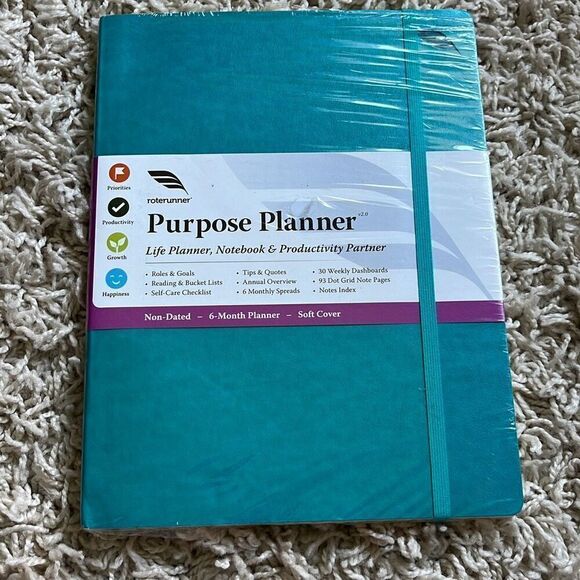
The Roterunner Purpose Planner emerged as WIRED's standout planner of 2025 and remains the top recommendation for 2026. This undated weekly planner features six pre-labeled to-do list areas covering work, home, projects, and shopping, plus smaller daily checklists and ample scheduling space. What sets it apart are the two full dotted pages following each weekly spread, providing room for brainstorming, doodling, and additional lists. The monthly spread includes six lists and reflection sections, while the six-month undated format allows starting at any time without wasted pages. Available in B5 ($30) and smaller A5 ($25) sizes, it offers flexibility for different space needs.
Best Daily Planner: Hobonichi Techo and Techo Cousin
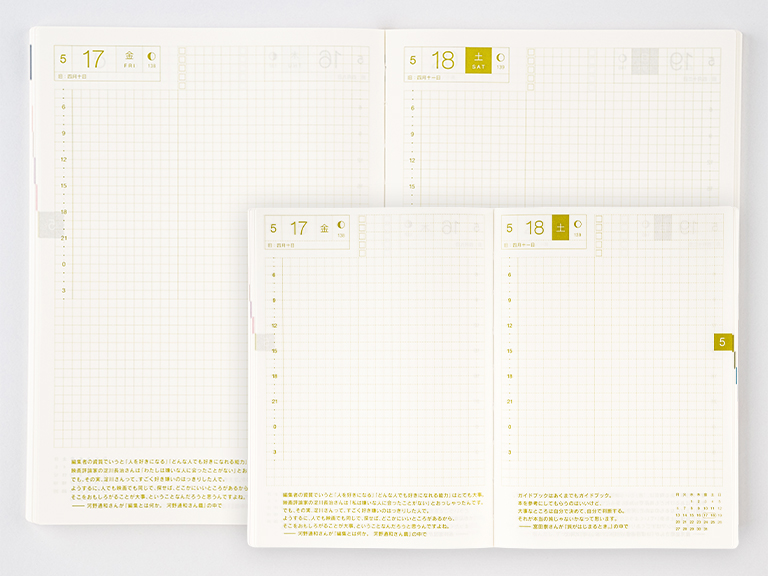
For daily planning enthusiasts, Hobonichi's planners represent the gold standard. The brand uses Tomoe River S paper—exceptionally thin yet resistant to bleed-through, with a smooth writing surface. The Techo Cousin model adds weekly spreads to the standard daily pages, providing comprehensive planning options. The A5 size offers ample space for daily lists and schedules, while the smaller A6 Techo suits those preferring compact formats. Available in various colors and cover options, including soft covers and faux leather, these Japanese-made planners have earned their reputation through quality materials and thoughtful design.
Another Excellent Option: Kokuyo Jibun Techo First Kit
The Kokuyo Jibun Techo First Kit offers a unique modular approach with three interchangeable books within a single cover. The center Diary contains monthly and weekly spreads for the entire year, plus specialized pages for book lists, movie tracking, projects, and financial planning. The front Life book includes prompted pages like the 100 Wishes List and password tracking, while the back Ideas booklet provides grid paper for notes and sketches. This system allows customization and replacement of individual components, making it ideal for those who want flexibility without committing to a single format for an entire year.
Planner Styles and Sizing Considerations
Understanding different planner formats and sizes is crucial for finding the right fit for your needs and lifestyle. The two primary styles—weekly and daily—cater to different organizational approaches, while size options range from pocket-sized to desk-dominating formats.
Weekly vs. Daily Formats
Weekly planners typically spread an entire week across two pages, offering condensed views of schedules and tasks. This format works well for people who need to see their week at a glance without excessive detail. Daily planners dedicate an entire page to each day, providing space for detailed scheduling, extensive to-do lists, and notes. The Day Designer Daily Planner exemplifies this approach with schedule sections from 5 am to 9 pm and dedicated spaces for priority tasks and dinner planning. Your choice between these formats depends on how much detail you need for daily planning versus your preference for weekly overviews.
Common Planner Sizes
Planners come in several standard sizes, though naming conventions vary between brands. The A5 size (approximately 5.8 by 8.3 inches) represents a popular book-sized format that balances writing space with portability. B5 sizes (around 7 by 9 inches) offer more room for extensive notes and lists. Letter-sized planners (8.5 by 11 inches) provide maximum writing space but reduced portability, while pocket-sized options (approximately 3.5 by 5.5 inches) prioritize convenience over expansive planning areas. Consider both your writing needs and how you'll transport the planner when selecting a size.
Customization and Specialty Options
For those with specific needs or preferences, several planners offer exceptional customization or specialized features. These options demonstrate how paper planning can adapt to virtually any requirement or organizational style.
Best Customizable Planner: Plum Paper A5 Vertical Priorities Planner
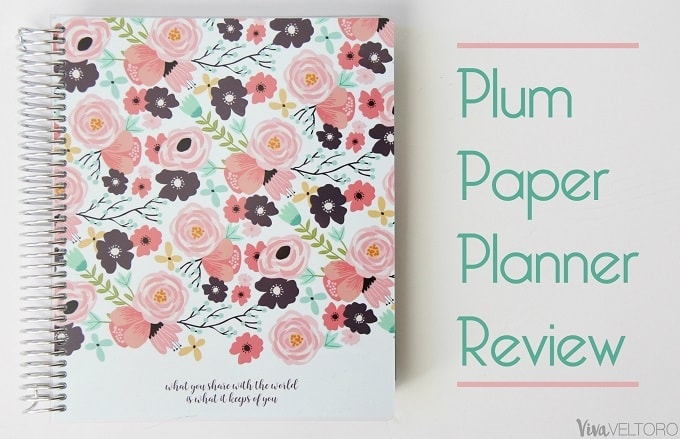
Plum Paper's planners offer extensive customization without overwhelming complexity. With 10 different layout types and multiple variations within each, users can select precisely the format that matches their planning style. The Vertical Priorities layout allows customization of priority sections, while numerous add-ons—from monthly workout summaries to baby tracking pages—provide tailored functionality. The A5 size balances portability with writing space, and the option to start on any month eliminates wasted pages. Complemented by chic sticker sets and the ability to create custom stickers, Plum Paper delivers personalization at every level.
Specialty and Alternative Options
Beyond traditional planners, several specialized options cater to unique needs. The Big A## Planner lives up to its name with 11-by-14-inch pages featuring 2.5-inch squares for each day, motivational quotes, and a dry-erase board in back—ideal for highly visual planners who need expansive writing space. For students, The Happy Planner offers youthful designs with unique binding that allows page removal and addition. Those preferring minimal structure might consider the Midori MD Notebook—a simple lined notebook that provides blank canvas flexibility, or even index cards for ultra-portable daily lists.
Enhancing Your Planning Experience
The right accessories can transform a basic planner into a personalized productivity system. From functional additions to decorative elements, these enhancements make planning more effective and enjoyable.
Essential Planner Accessories
Quality writing instruments form the foundation of any planning system. Pens like the Sakura Pigma Micron Fineliner and Paper Mate InkJoy Gel Pens provide reliable performance, while markers such as the Tombow Fudenosuke Hard Tip Brush Pen add visual distinction. Highlighters, particularly Passion Planner's Essentials and Vintage sets, help categorize and prioritize information. For organization, calendar tabs from brands like Aiex Monthly and Passion Planner enable quick navigation between months, while washi tape offers decorative and functional page marking.
Stickers and Creative Elements
Stickers represent more than mere decoration—they provide visual cues, track habits, and make planning engaging. Etsy serves as a hub for planner stickers, with shops like SimplyWatercolorCo and CricketPaperCo offering themed collections. Plum Paper produces matching sticker sets that coordinate with their planner add-ons, while seasonal stickers help mark special occasions and time periods. Whether using full kits for coordinated spreads or individual elements for specific needs, stickers personalize the planning experience and reinforce organizational systems.
Making the Right Choice for Your Needs
Selecting the ideal paper planner requires considering your specific organizational style, daily requirements, and personal preferences. The cognitive benefits of writing by hand combine with the satisfaction of physical accomplishment to create a productivity approach that digital tools struggle to match. Whether you choose the structured efficiency of the Roterunner Purpose Planner, the daily detail of Hobonichi, or the customization of Plum Paper, the right analog system can transform how you manage time, tasks, and goals. As WIRED's testing demonstrates, sometimes the most advanced productivity tool is one that has stood the test of time: paper, pen, and thoughtful design working in harmony.