Japanese vs. American Planners: Key Differences and Why You Might Switch
Japanese planners like the Hobonichi Techo have gained a cult following for their distinct approach to organization. Unlike many American planners, they prioritize minimalist design, high-quality thin paper, and open-ended customization over pre-structured layouts. This article explores the core differences in paper quality, design philosophy, and user experience, helping you determine if a Japanese planner's flexibility and tactile satisfaction better suit your personal productivity style than the colorful, feature-packed American alternatives.
In the quest for better organization, the humble paper planner remains a powerful tool. While American brands dominate many shelves, a dedicated community swears by Japanese imports like the Hobonichi Techo and Kokuyo Jibun. The debate isn't about which is objectively better, but which system aligns with how your mind works. Japanese planners offer a fundamentally different experience, focusing on material quality and user freedom over pre-defined structure.

The Core Philosophy: Freedom vs. Framework
The primary distinction lies in design philosophy. American planners often operate on a framework model. Brands like Erin Condren or Happy Planner provide extensive, pre-organized sections for schedules, goals, and trackers, anticipating the user's needs with colorful designs and prompts. The Japanese approach, as seen in planners available on retailers like Amazon, is minimalist and open-ended. They provide the canvas—high-quality paper with a simple grid—and trust the user to build their own system. This shift from a guided experience to a blank slate is the first major differentiator.
Tangible Differences: Paper, Design, and Customization
Beyond philosophy, the physical and functional contrasts are immediately apparent.
Superior Paper Quality
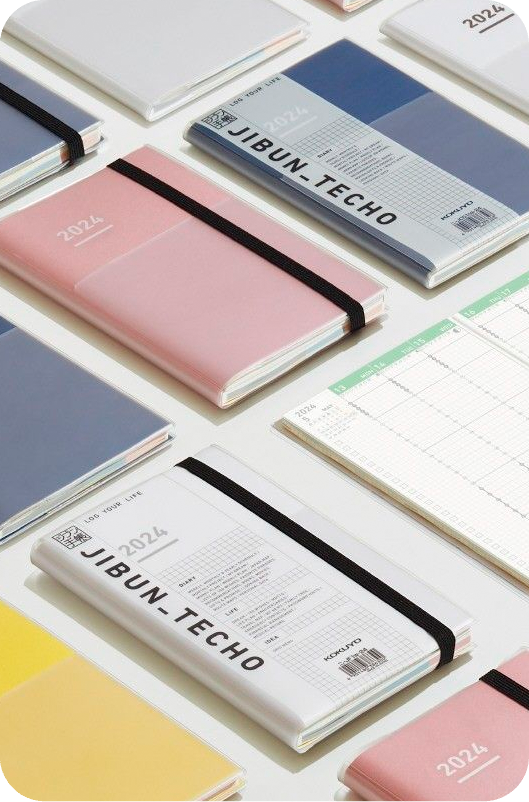
The most notable difference is the paper. Japanese planners utilize exceptionally thin, smooth, yet durable paper that prevents ink bleed-through. The Hobonichi uses Tomoe River S paper, while Kokuyo employs its exclusive Thin Paper or Mio Paper. This creates a satisfying writing experience and allows a full-year's worth of pages to reside in a surprisingly slim volume. In contrast, American planners typically use thicker, cardstock-like paper, resulting in bulkier books.
Minimalist Aesthetic
Visually, Japanese planners favor clean, minimalist designs. They often feature grid pages and subdued colors, a stark contrast to the vibrant, illustrated covers and interiors of many American brands. This aesthetic extends to the covers; Japanese planners frequently offer separate, stylish cover options, allowing for personalization without committing to a single pre-designed look.
Customization: Build-Your-Own vs. Pre-Built
Customization takes two forms. American planners excel at pre-purchase customization, letting you choose page layouts and sections before printing. Japanese planners offer post-purchase flexibility. With more blank, gridded space, you manually create habit trackers, daily schedules, and lists as needed. Systems like the Kokuyo Jibun Techo First Kit take this further, using a modular, refillable notebook system for different life categories.
Is a Japanese Planner Right for You?
Choosing between these styles depends on your organizational personality. A Japanese planner is ideal if you value tactile quality, prefer a minimalist workspace, enjoy designing your own tracking systems, or find your needs change frequently throughout the year. Its flexibility prevents you from being locked into a January template that becomes irrelevant by June. An American planner may be better if you thrive on structure, appreciate motivational colors and quotes, or prefer having prompts and sections ready-to-use without extra setup.

Accessibility and Getting Started
A common concern is language. Fortunately, major Japanese planners like the Hobonichi have official English versions, and the Jibun Techo uses English headings for major sections. Retailers like JetPens provide translation guides, making them accessible to non-Japanese speakers. For beginners, starting with a more affordable model like the standard A6 Hobonichi Techo is a low-risk way to experience the paper and format.
Conclusion: A Tool for Intentionality
Ultimately, the rise of Japanese planners highlights a shift towards intentional, personalized productivity. They aren't inherently superior but offer a compelling alternative for those who find pre-packaged organization constricting. The focus on exquisite materials and user-defined structure encourages mindfulness and adaptability. If your current planner feels more like a rigid script than a helpful guide, exploring the minimalist, high-quality world of Japanese planners might be the refresh your routine needs.