Read on PBS News
Unresolved Issues in U.S.-Ukraine Negotiations to End Russia's War
Ukrainian President Volodymyr Zelenskyy has identified three critical, unresolved issues in ongoing negotiations with the United States regarding a potential framework to end Russia's invasion. These sticking points—security guarantees, territorial control, and the fate of the Zaporizhzhia Nuclear Power Plant—represent significant hurdles to achieving a sustainable peace. This article analyzes the complexities of these diplomatic challenges and the positions of the involved parties as dialogue continues.
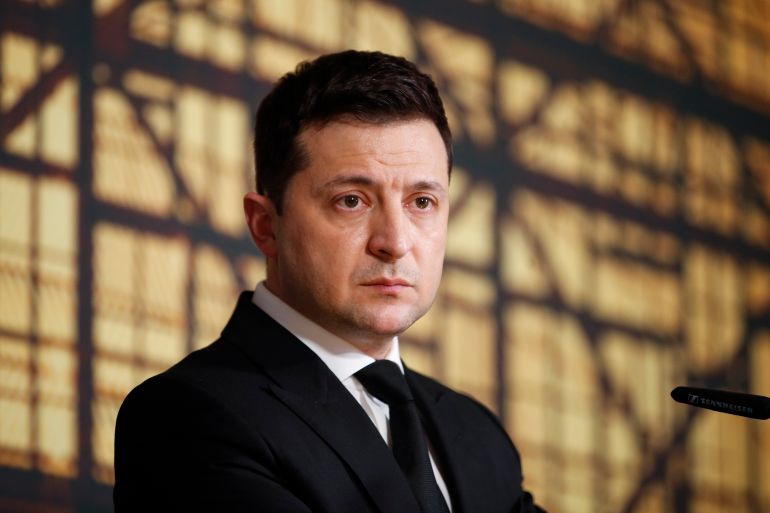
As diplomatic efforts intensify to find a resolution to the devastating conflict in Ukraine, President Volodymyr Zelenskyy has highlighted several unresolved issues in negotiations with the United States. These talks aim to establish a potential framework for ending Russia's war, but significant disagreements remain on key points that could determine the sustainability of any future peace. The discussions revolve around a 20-point plan, with Ukraine having conveyed its position to Washington, which is expected to communicate it to Moscow.
The Core Unresolved Issues
According to President Zelenskyy, three primary areas of contention are stalling progress in the U.S.-Ukraine negotiations. These issues are not merely technical details but fundamental questions about Ukraine's sovereignty, security, and future stability. The Kremlin has acknowledged contact with U.S. representatives, with Russian presidential envoy Kirill Dmitriev having met with U.S. envoys in Florida, but details remain scarce beyond an agreement to continue dialogue.
1. Security Guarantees
The nature and scope of security guarantees for Ukraine under any potential agreement remain a major point of discussion. Zelenskyy has indicated that several technical issues are unresolved, including how such guarantees would be enforced and what monitoring mechanisms would ensure compliance. This is a critical component for Ukraine, which seeks assurances that any agreement will provide tangible protection against future aggression, not just symbolic promises.

2. Territorial Control
The fate of territories currently occupied by Russia represents what Zelenskyy describes as the most difficult issue in the talks. Ukraine maintains its position that it will not recognize Russian control over regions seized since the full-scale invasion began in 2022. Furthermore, Kyiv has stated unequivocally that it will not cede territories it currently controls, despite Russia's public demands for such concessions. This creates a seemingly intractable deadlock at the heart of negotiations.
3. Zaporizhzhia Nuclear Power Plant
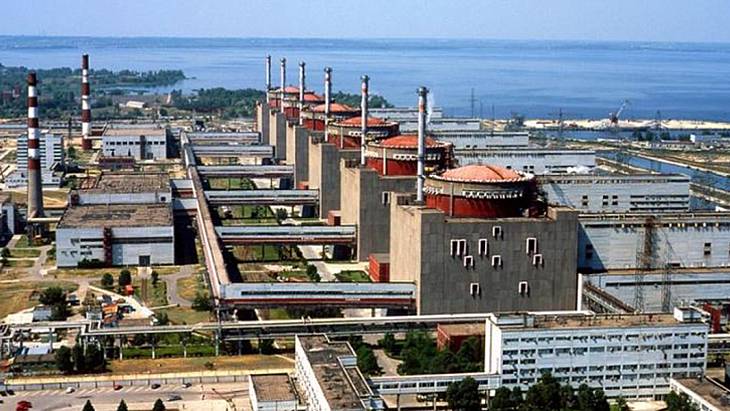
The future of the Russian-occupied Zaporizhzhia Nuclear Power Plant, Europe's largest nuclear facility, remains unresolved. The plant has been under Russian control since early in the war and has raised repeated international safety concerns due to nearby fighting. Ukraine insists that safe operation requires demilitarization of the territory and full access for Ukrainian workers, who currently face restrictions. Details from the negotiations suggest discussion of a joint-access format potentially involving all three parties: the U.S., Ukraine, and Russia.
Path Forward and Additional Considerations
Further discussions between Ukrainian and U.S. teams are expected, including talks in Florida. Beyond the immediate security framework, separate documents on economic recovery and prosperity are also under consideration, indicating a broader approach to post-conflict stabilization. The complexity of these issues suggests that negotiations will require continued diplomatic engagement and potentially difficult compromises from all parties involved.
The unresolved nature of these key points underscores the challenges of achieving a durable peace that addresses Ukraine's security needs while navigating geopolitical realities. As dialogue continues, the international community watches closely, aware that the outcomes will have significant implications for European security and global stability.