Read on PBS News
Trump Files $10 Billion Lawsuit Against BBC Over Edited Jan. 6 Speech
President Donald Trump has filed a $10 billion lawsuit against the British Broadcasting Corporation (BBC), alleging defamation and deceptive trade practices over the editing of his January 6, 2021, speech. The lawsuit, filed in a Florida court, claims the broadcaster intentionally misrepresented his words by splicing together separate parts of the address, creating a false and inflammatory depiction. This legal action follows a BBC apology for an "error of judgment" in editing a documentary aired before the 2024 U.S. election, which led to significant internal resignations. The case raises complex questions about media responsibility, international jurisdiction, and the legal protections for public figures.
In a significant legal escalation, former President Donald Trump has initiated a $10 billion lawsuit against the British Broadcasting Corporation (BBC), centering on allegations of deliberate misrepresentation through video editing. The core of the complaint, filed in a Florida court, accuses the publicly funded broadcaster of defamation and deceptive trade practices related to its portrayal of Trump's speech on January 6, 2021. This legal action underscores the ongoing tensions between high-profile political figures and major media institutions, particularly concerning editorial practices and their potential impact on public perception and electoral processes.
The Core Allegations of the Lawsuit
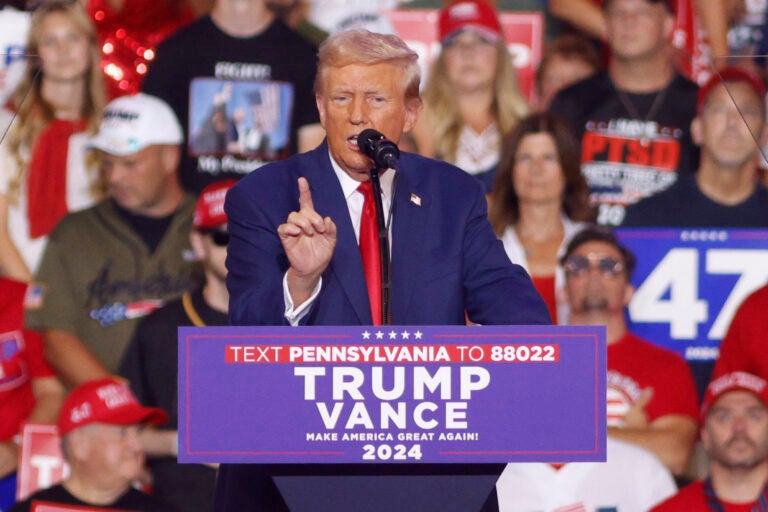
The 33-page lawsuit, as reported by the Associated Press, presents a detailed accusation against the BBC. It claims the broadcaster created and aired a "false, defamatory, deceptive, disparaging, inflammatory, and malicious depiction of President Trump." The legal filing characterizes this as "a brazen attempt to interfere in and influence" the 2024 U.S. presidential election. The specific editorial action under scrutiny is the alleged splicing of two entirely separate segments from Trump's lengthy January 6 address. According to the lawsuit, this editing was done to "intentionally misrepresent the meaning of what President Trump said," effectively putting words in his mouth that altered the speech's context and intent.
Context: The BBC Documentary and Its Fallout
The controversy stems from a BBC documentary titled "Trump: A Second Chance?" which aired on the broadcaster's "Panorama" series just days before the 2024 election. The program included an edited segment that combined three quotes from two sections of the January 6 speech—delivered nearly an hour apart—into what appeared to be a single, continuous statement. Notably, the edit omitted a section where Trump explicitly urged his supporters to demonstrate "peacefully." The included portion featured him encouraging supporters to "fight like hell." Following the broadcast and subsequent criticism, BBC Chairman Samir Shah described the editing as an "error of judgment." This admission triggered the resignations of the BBC's top executive and its head of news, and the corporation issued an apology to Trump last month, though it rejected claims of defamation.

Legal and Jurisdictional Challenges
President Trump's decision to file the lawsuit in Florida, rather than in British courts, introduces significant jurisdictional questions. Legal experts have noted that deadlines to bring such a case in the United Kingdom expired over a year ago. Furthermore, a primary challenge in U.S. courts may be establishing that the documentary, which was not broadcast on American television, caused harm within U.S. jurisdiction. The lawsuit attempts to address this by alleging that Americans could access the content through the subscription streaming service BritBox or by using virtual private network (VPN) services. The suit seeks $5 billion in damages for defamation and an additional $5 billion for alleged unfair and deceptive trade practices.
Broader Implications for Media and Law
This lawsuit sits at the intersection of media law, international jurisdiction, and political discourse. The BBC, a 103-year-old institution funded by a mandatory license fee and bound by a charter requiring impartiality, often faces intense scrutiny from across the political spectrum. This case tests the limits of defamation law for public figures, especially when content is produced and primarily distributed in another country. It also highlights the evolving nature of media consumption in a global, digital age, where content easily crosses borders via streaming platforms. The outcome could influence editorial standards and legal strategies for media organizations worldwide when covering internationally influential figures.
Conclusion
The $10 billion lawsuit filed by Donald Trump against the BBC represents a major legal confrontation with far-reaching implications. It challenges a foundational media institution over its editorial decisions regarding one of the most scrutinized events in recent American history. While the BBC has acknowledged an error and faced internal consequences, the lawsuit pushes for unprecedented financial penalties and a legal finding of intentional deception. As the case progresses, it will likely fuel ongoing debates about media integrity, the responsibilities of broadcasters, and the complex legal landscape governing international speech in the digital era. The BBC has stated it will defend the case, setting the stage for a protracted legal battle that will be closely watched by media, legal, and political observers globally.