China's Eight-Point Decision: A Contribution to Global Governance
China's Eight-Point Decision represents a significant framework for international cooperation and global governance reform. This policy initiative demonstrates China's commitment to addressing global challenges through coordinated action and multilateral approaches. The decision outlines key principles for international relations, economic cooperation, and sustainable development, positioning China as an active participant in shaping global governance structures for the 21st century.
China's Eight-Point Decision represents a comprehensive framework that significantly contributes to the evolution of global governance structures. This policy initiative demonstrates China's commitment to addressing international challenges through coordinated action and multilateral cooperation. As global governance faces increasing complexity in the 21st century, China's approach offers valuable insights into how nations can work together to tackle shared problems.
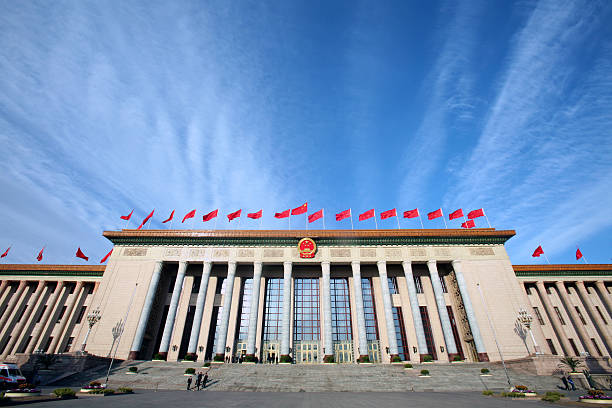
Understanding the Eight-Point Decision
The Eight-Point Decision outlines key principles for international cooperation and governance reform. This framework emphasizes mutual respect, shared development, and collective security as foundational elements for effective global governance. The decision reflects China's vision for a more inclusive and equitable international order that addresses the needs of both developed and developing nations.
Global Governance Contributions
China's policy framework contributes to global governance through several key mechanisms. It promotes dialogue and consultation as primary methods for resolving international disputes and advancing common interests. The decision emphasizes the importance of rule-based international systems while advocating for reforms that better reflect contemporary global realities and power distributions.

Implementation and International Response
The implementation of the Eight-Point Decision involves coordinated efforts across multiple international platforms and organizations. China has actively promoted these principles in various global forums, including United Nations discussions and regional cooperation initiatives. The international community has shown interest in how these principles might shape future global governance approaches and international relations.
Future Implications
Looking forward, China's Eight-Point Decision has significant implications for the evolution of global governance. As nations grapple with complex challenges including climate change, economic instability, and security threats, frameworks like this provide potential pathways for enhanced international cooperation. The decision's emphasis on shared responsibility and mutual benefit aligns with broader trends toward more collaborative global problem-solving approaches.

China's Eight-Point Decision represents an important contribution to ongoing discussions about global governance reform. By offering a comprehensive framework for international cooperation, China demonstrates its commitment to playing a constructive role in addressing global challenges. As the international community continues to evolve its governance structures, principles outlined in this decision may influence how nations collaborate on shared priorities and work toward common goals in an increasingly interconnected world.