 Read on cbsnews.com
Controversy Surrounds U.S. Military's Second Strike on Alleged Drug Vessel
The White House has confirmed a second U.S. military strike on an alleged drug-carrying vessel in the Caribbean in early September, an action that has ignited bipartisan scrutiny and allegations of potential war crimes. While the administration denies that Defense Secretary Pete Hegseth ordered the follow-up attack, which reportedly killed survivors of the initial strike, lawmakers and legal experts are raising serious questions about its legality and justification. This incident, part of a broader Trump administration campaign against drug trafficking, is now the subject of a congressional investigation, with key military officials scheduled to testify.
The U.S. military's campaign against drug trafficking in the Caribbean has been thrust into the spotlight following controversial revelations about a specific mission in early September. According to a CBS News report, a second strike was conducted on an alleged drug-carrying vessel, targeting individuals who had survived the initial attack. This action has prompted intense bipartisan scrutiny in Congress, with allegations surfacing that it may have violated the laws of war. The White House, while confirming the second strike occurred, has explicitly denied that Defense Secretary Pete Hegseth was the one who ordered it, setting the stage for a significant political and legal investigation.
The Incident and Conflicting Narratives
The controversial event took place on September 2nd and was the first in a series of over twenty strikes on alleged drug boats conducted by the Trump administration in recent months. Details from the source familiar with the matter indicate that two survivors of the initial strike were attempting to climb back onto the damaged vessel. The source also stated that the individuals appeared to be trying to salvage drugs and were in communication with others, with additional boats nearby that could have potentially rescued them.
The Allegation Against Secretary Hegseth
The controversy intensified when The Washington Post reported that the military executed the second strike because Secretary Hegseth had insisted that "everybody onboard the boat should be killed." This allegation, if proven true, would place direct responsibility for a potentially unlawful order at the highest levels of the Defense Department. The report has fueled demands for transparency and accountability from lawmakers across the political spectrum.
The Official Denial and Justification
In response to these allegations, the White House issued a confirmation of the second strike but a firm denial regarding Hegseth's involvement. Defense Secretary Hegseth himself has stated that the decision was made solely by the mission's commander, Admiral Mitch Bradley. Hegseth has publicly defended the action, arguing that the follow-up strike was both legal and justified under the circumstances, though he has noted he "didn't stick around" to watch it.
Legal Scrutiny and Allegations of War Crimes
The legality of the second strike is now a central point of contention. Democrats and several independent legal experts have alleged that attacking individuals who were already wounded and attempting to survive may constitute a war crime under both U.S. and international law. This perspective is grounded in established military doctrine.
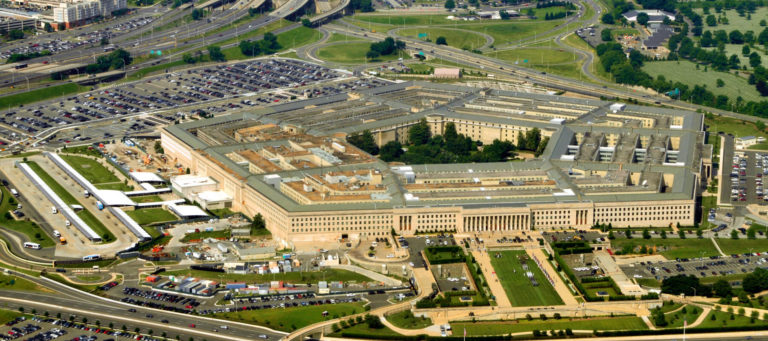
The U.S. Pentagon's own manual on the law of war clearly states that "wounded, sick, or shipwrecked" combatants who are no longer posing a threat must not be attacked. The critical question for investigators is whether the survivors on the waterlogged vessel were assessed as continuing to pose an imminent threat, which would be necessary to legally justify the use of lethal force.
Congressional Investigation and Upcoming Testimony
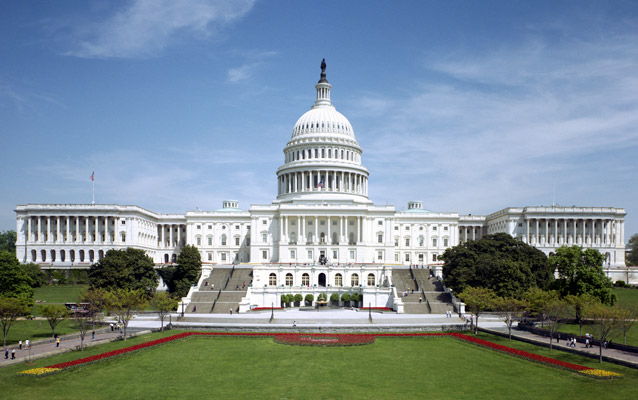
In light of these serious allegations, lawmakers from both major political parties have vowed to conduct a thorough investigation. The matter is moving quickly to Capitol Hill. Admiral Mitch Bradley, the mission commander, is scheduled to testify before Congress. According to sources, he is expected to present video evidence from the September 2nd engagement and provide a detailed walkthrough of the decision-making process that led to the second strike.
Adding weight to the proceedings, General Dan Caine, Chairman of the Joint Chiefs of Staff, is expected to accompany Admiral Bradley during his congressional testimony. This high-level participation underscores the gravity with which the military and the administration are treating the congressional inquiry.
Conclusion
The confirmation of a second military strike on survivors of an initial attack has opened a significant controversy for the Trump administration's anti-drug operations. While officials deny the direct involvement of Defense Secretary Hegseth, the allegations of a potential war crime demand rigorous and transparent investigation. The upcoming congressional testimony from Admiral Bradley and General Caine will be a pivotal moment, likely determining whether the operation was a justified tactical decision or a grave violation of military law. The outcome will have lasting implications for the rules of engagement and the legal framework governing U.S. military actions abroad.